

How LuxGroup can turn a founder’s conviction into an operating system for responsible growth
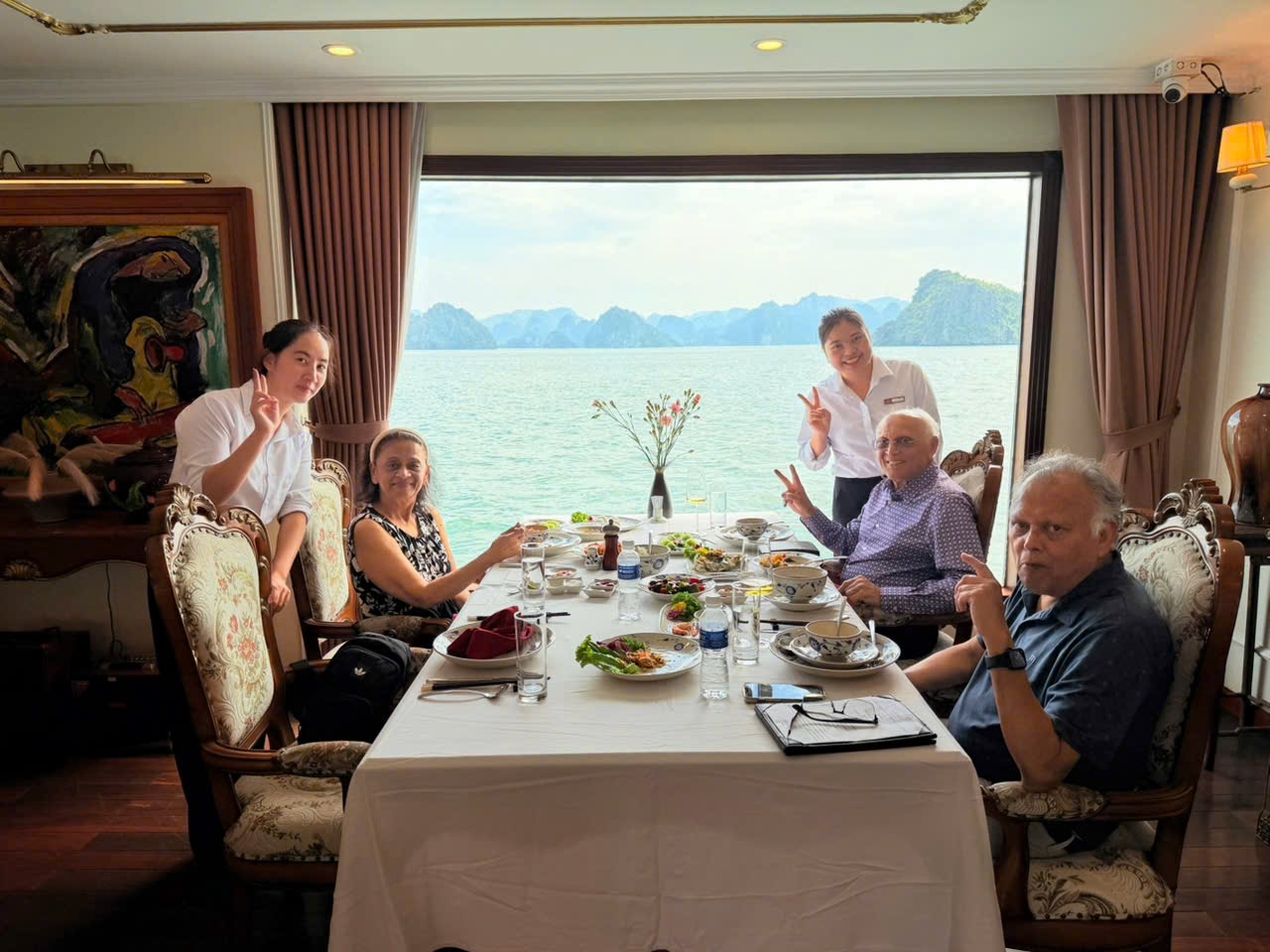
A guest boards a LuxGroup cruise and encounters an elegant version of Vietnam: waterways, cuisine, art, history, and hospitality woven into a memorable journey. Less visible is the system behind that experience—the people who deliver it, the communities that host it, the suppliers who support it, and the ecosystems that absorb its impact.
That invisible system is where corporate purpose becomes real.
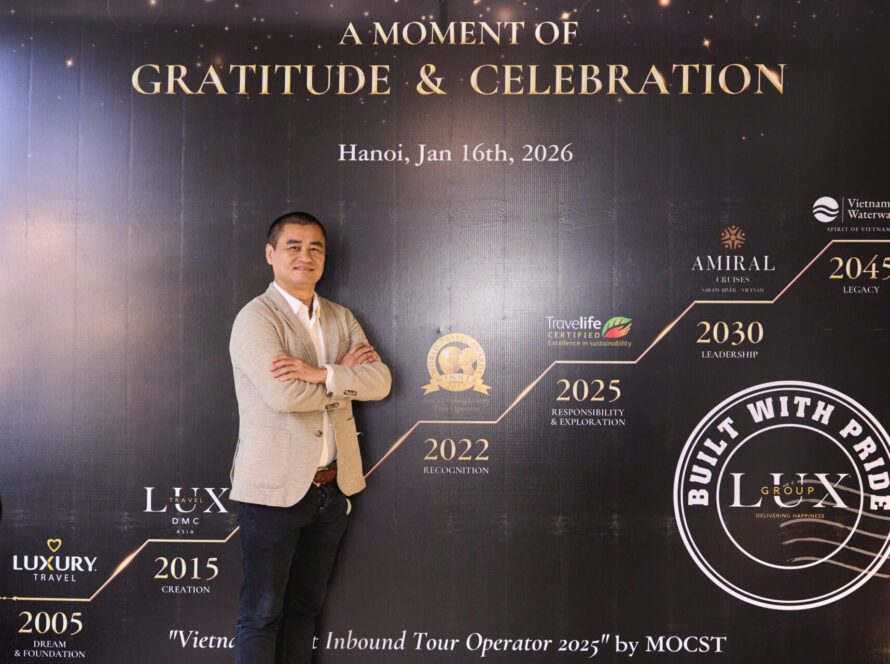
For two decades, LuxGroup has grown around a clear idea: luxury is not simply expensive hardware; it is culture, care, and human connection. Delivering Happiness® has helped build a House of Small Giants—a portfolio of focused businesses with distinctive stories. But growth creates a new challenge: the founder’s conviction must become an organizational capability. The next step is a House of Responsible Small Giants.
Profit Sustains the Purpose; It Does Not Define It
The shareholder-primacy view holds that managers should maximize investor value while obeying the rules. The logic is attractive: competition rewards efficiency, innovation, and responsiveness. Profit matters profoundly to LuxGroup. Without it, the company cannot renew vessels, develop people, protect heritage, or survive disruption.
But profit alone is incomplete. It may capture value retained by the company while missing costs transferred to others. A profitable tourism product can still increase waste, strain infrastructure, commercialize culture unfairly, or create insecure work. The question is not whether LuxGroup should make money, but how it makes money, who shares the value, and who bears the costs.
LuxGroup’s own philosophy already points toward an answer. Its 5Ps—Purpose, Passion, People, Planet, and Profit—place financial performance inside a broader system. Profit is a fair reward and a source of continuity, not the ultimate goal. The extended 8Ps add Place, Partnership, and Prosperity, recognizing that tourism depends on destinations, relationships, and shared economic progress. Together, these principles offer more than a brand narrative. They can become a management framework.
Purpose Must Survive the Difficult Decision
Purpose is easy to celebrate when stakeholder interests align. The real test comes when responsible action is expensive, inconvenient, or slower.
Would LuxGroup delay a launch if safety systems were not ready? Would it redesign a popular product if the environmental burden fell disproportionately on a destination? Would it reject a profitable supplier that treated workers unfairly? Would it publish an unfavorable impact result? These are the moments when Delivering Happiness® must function as a decision rule rather than a slogan.
A useful Northern Star emerges from LuxGroup’s leadership reflections: deliver happiness without shifting the costs of success onto workers, communities, or the natural places that sustain tourism. This statement is powerful because it introduces accountability. It asks leaders to examine both the visible benefit and the hidden burden of every decision.
Build Responsibility Into the Operating Model
The transition to a House of Responsible Small Giants requires four changes.
1. Define responsibility at every touchpoint
Guests experience one journey, although the organization manages many departments, brands, partners, and locations. Responsibility must travel across the same touchpoints—from product design and contracting to transport, hospitality, excursions, food, waste, and post-trip communication.
For each touchpoint, LuxGroup should identify the promise made, the stakeholder affected, the possible harm, the accountable owner, and the required evidence. A beautiful guest experience cannot be considered successful if it depends on unsafe work, misleading claims, unfair contracts, or unmanaged environmental damage.
2. Measure value created—and costs imposed
Traditional dashboards emphasize revenue, occupancy, yield, satisfaction, and cash flow. A responsible-growth dashboard must retain those measures while adding outcomes for employees, partners, communities, culture, and nature.
LuxGroup could track employee development, supplier payment fairness, local procurement, community income, waste and emissions per guest, safety incidents, cultural investment, and completed corrective actions. The purpose is to make trade-offs visible before decisions are finalized.
The same discipline should apply to Travelife certification. Certification is a valuable external signal, but it is the beginning of responsibility, not its completion. The critical question is not whether LuxGroup holds a certificate. It is what changed for workers, destinations, communities, and ecosystems because the standards were implemented.
3. Give affected people a meaningful voice
The SA Taxi case offers a useful warning: formal ownership or representation does not automatically create a sense of participation. Stakeholders feel included when they understand decisions, can influence them, and see benefits reach their daily lives.
For LuxGroup, People First® should mean more than caring leadership from the top. Employees need safe channels to raise concerns, protection against retaliation, and evidence that speaking up leads to action. Communities and partners should be consulted before products are designed, not merely informed afterward.
4. Establish clear group-wide accountability
A portfolio of small giants benefits from entrepreneurial autonomy, but autonomy without common standards creates uneven responsibility. Every brand needs a shared ethical floor covering safety, labor, environmental practices, supplier conduct, customer transparency, data use, reporting, and misconduct.
Local leaders can retain freedom in how they deliver the promise, but they should not be free to redefine the promise itself. Accountability must apply regardless of seniority, brand, or location. That requires documented decisions, consistent investigations, proportional consequences, and regular board review.
Use Corporate Influence Carefully
Tourism companies can help shape public policy. LuxGroup has legitimate reasons to work with government and industry associations on waterway infrastructure, visas, workforce education, safety, environmental protection, and responsible-tourism standards.
But corporate political involvement needs boundaries. LuxGroup’s participation should be transparent, evidence-based, and directed toward wider industry and public benefits—not rules designed to disadvantage competitors or secure private favors. The company should never confuse access with entitlement. A responsible small giant uses its voice to improve the system on which everyone depends.
The Founder’s Final Transition
LuxGroup’s purpose is credible because it reflects the personal commitments of its founder: caring for people, sharing Vietnamese culture, and creating experiences that benefit guests and host communities. Yet this strength also creates a risk. If purpose lives primarily in the founder’s language, intuition, and presence, it may weaken as the organization expands.
The founder’s next task is institutional: translate conviction into governance. That means embedding the 8Ps in investment proposals, incentives, product approvals, supplier selection, leadership development, and board reporting. Managers should explain both financial returns and effects on people, place, planet, partnership, and shared prosperity.
This does not diminish entrepreneurial spirit. It protects it. Clear principles allow each small giant to move quickly without losing the values that make the group distinctive.
A More Demanding Definition of Success
A House of Responsible Small Giants would still pursue growth, profitability, innovation, and international recognition. But it would judge success more rigorously. It would ask whether growth strengthens the people and places that make it possible; whether cultural stories are preserved rather than merely packaged; whether partners share fairly in prosperity; and whether environmental commitments can be demonstrated through evidence.
The ambition is not perfection. Every business creates risks and trade-offs. The ambition is reflective leadership: greater awareness, better judgment, courageous action, and open learning when outcomes fall short.
LuxGroup began by proving that a Vietnamese company could create distinctive luxury experiences through culture and storytelling. Its next chapter can prove something more consequential: that a company can remain entrepreneurial, profitable, and emotionally resonant while accepting responsibility for the system around it.
That is the progression—from a House of Small Giants to a House of Responsible Small Giants. And that may become LuxGroup’s most valuable legacy.