

By Dr. Phạm Hà
A group of visitors arrives in a village. They stay one night, eat two meals, buy a few handmade products, and leave. The destination records more visitors and more revenue. But how much does the cook earn after paying for ingredients? Can the weaver set the price of her work? Who decides when the next group may enter the village—and which family may close its door for a day of rest?
Those questions reveal the difference between a village that receives tourists and a community that directs its own tourism.
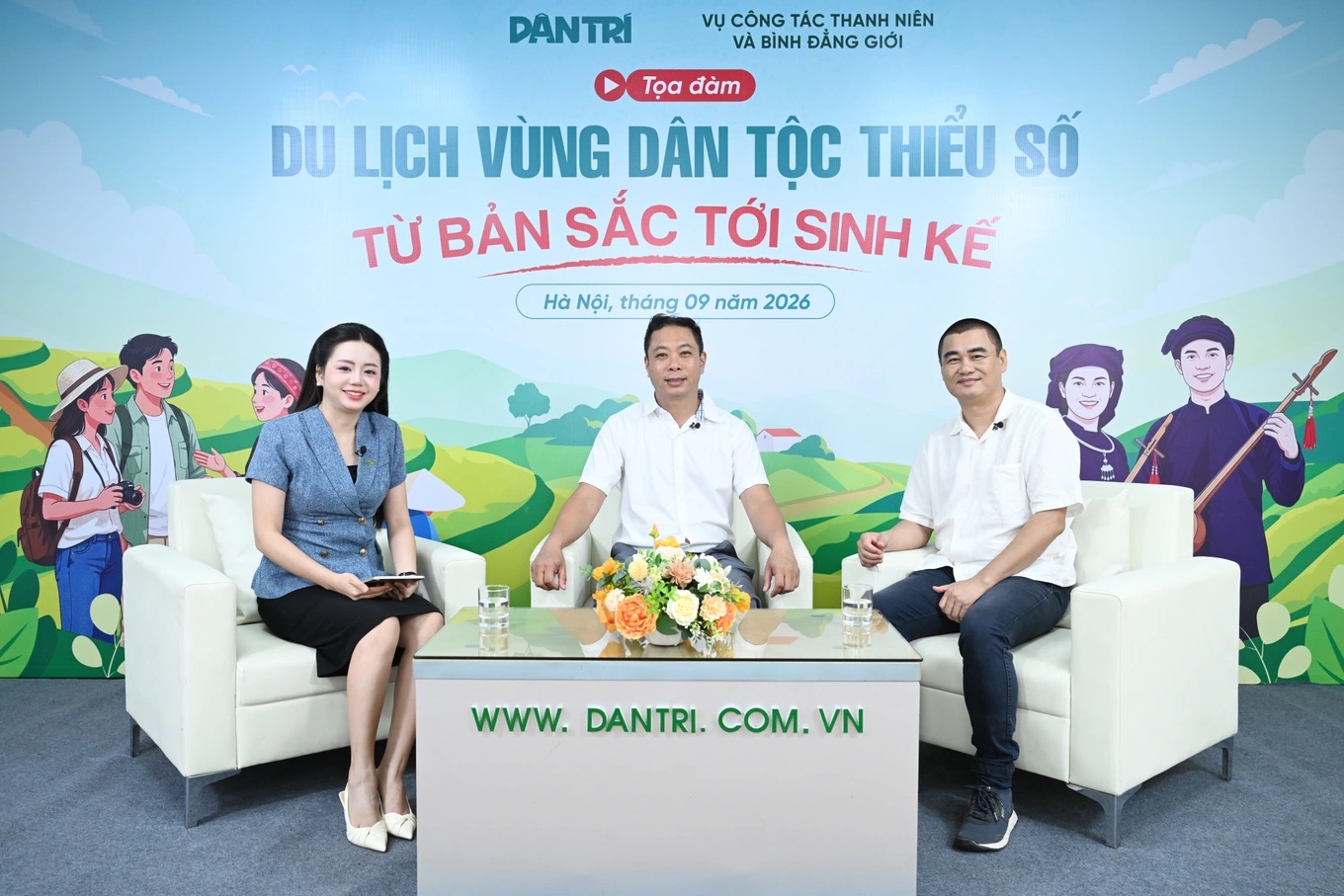
At a recent discussion on tourism in ethnic minority regions, we spoke about turning cultural identity into livelihoods. For me, the hardest test lies in the word ownership. Residents may perform, cook, clean rooms, and guide visitors while remaining outside the decisions that matter most: what is sold, to whom, at what price, and on whose terms.
In that arrangement, the village provides the setting while someone else controls the product.
Community tourism often begins with what a place already possesses: its landscape, homes, food, crafts, and knowledge passed down through generations. Their appeal does not mean everything is available for sale. A ceremony belongs to the community before it becomes something a visitor might watch. A kitchen is part of a family’s home before it becomes a travel experience. Residents must be able to choose what they share, how they share it, and what they keep private.
That freedom also has economic value. When visitors understand why a dish can be prepared only in a certain season, or why an artisan needs days to complete a piece, they can appreciate the time and skill behind its price. When a tour company instead asks for a “cultural performance” on a crowded schedule, a craftsperson can become a casual worker in the very heritage they sustain.
Ownership must begin before anyone builds a homestay or places the village on a travel map. Residents should help decide how many guests to receive, where visitors may go, when photography is appropriate, and which activities remain outside tourism. Households that do not sell services need a voice too. They still live with the noise, waste, rising costs, and changes to daily life.
A destination can be profitable for a handful of families with guest rooms while everyone else earns little. When income is concentrated but the costs are shared, early enthusiasm can give way to resentment. Communities therefore need clear agreements on revenue from shared activities, criteria for selecting suppliers, and contributions to facilities everyone uses, such as clean water, waste collection, and paths. No single formula for sharing income will suit every village. What matters is an arrangement residents can understand, check, and change.
Tour operators have an essential role in making such arrangements work. Residents know their home. Businesses know markets, bookings, safety requirements, and guest expectations. A good partnership brings those abilities together. An operator can help test experiences, train hosts, attract suitable visitors, and establish reliable payment terms. It must also respect the limits set by the community, even when those limits make an itinerary harder to sell.
I have seen tourism descriptions promise an “authentic experience” without explaining what residents will actually do or how they will be paid. Attractive language cannot replace a clear agreement. If a trip includes a meal in someone’s home, agree in advance on the number of guests, menu, payment, and who bears the cost of a cancellation. If an artisan leads a workshop, pay for preparation as well as the time spent with visitors. If a company uses a person’s story or image to market a trip, obtain that person’s consent.
Business skills matter as much as hospitality. Cooking an excellent meal does not automatically equip someone to price it profitably. A beautiful home does not, by itself, solve reservations, fire safety, hygiene, or complaints. Training should therefore involve real work: recording the cost of each meal, accounting for family labour, answering enquiries, checking quality, and responding when a guest is disappointed. Access to the market becomes durable when residents gain greater control over these tasks.
We should also accept that not every household wants to open its door to visitors. One family may prefer to farm and supply ingredients to local kitchens. Another may weave, maintain buildings, drive, or guide only during certain seasons. Community tourism is stronger when it offers several ways to participate, according to people’s skills and the lives they wish to lead. Turning an entire village into one continuous stage would erase some of the variety that brought visitors there in the first place.
Local government has a distinct responsibility: essential infrastructure, clear rules, practical training, and protection of shared resources. A road helps guests reach a village; dependable water and waste systems help residents live there as visitor numbers grow. Such investment must reflect the destination’s capacity. More arrivals are not always good news if water becomes scarce, paths deteriorate, or young people abandon traditional work for a short tourism season.
We also need to ask different questions about success. Alongside visitor numbers and revenue, measure participating households’ income after costs. Ask how many local people hold management roles, how much the tourism economy buys locally, and what households outside the business think of its effects. Is the landscape better cared for? Do artisans want to teach the next generation? These outcomes cannot be compressed into one convenient figure. Without them, we cannot tell whether tourism is strengthening the place or using it up.
I believe many travellers are willing to move more slowly, join smaller groups, and pay a fair price for a meaningful encounter. Businesses must explain what the experience includes and who benefits from the visitor’s spending. High-value tourism need not bring staged extravagance into a village. A guide who knows every path, a craftsperson who can explain a lifetime’s work, or a thoughtfully prepared meal can make the deepest impression.
Finally, ownership includes the right to say, “Not yet.” Not another group during a family celebration. Not a new trail through an area that needs protection. Not a ritual sold as an attraction before the community agrees on whether and how to share it. Visitors can change their plans. Residents must live with the consequences all year.
When the last vehicle leaves, more should remain than photographs and an arrival count. There should be fair income, stronger skills, a well-cared-for environment, and a community with the authority to decide how it welcomes the world.
Dr. Phạm Hà is the founder and CEO of LuxGroup and Vice President of the Vietnam Green Tourism Association.