

Interview with People’s Army Newspaper for Vietnamese Entrepreneurs’ Day, 13 October
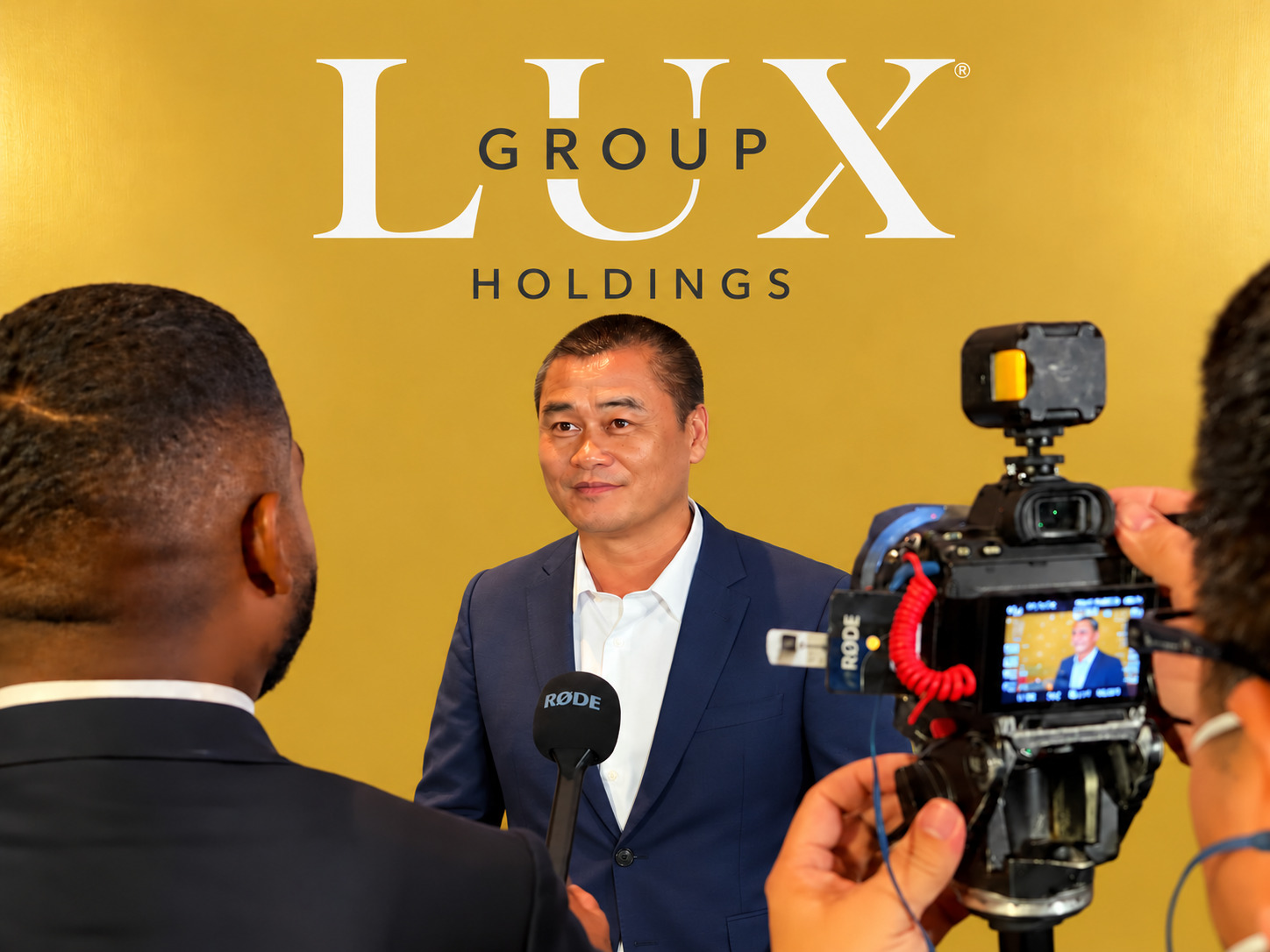
Dr. Pham Ha, Founding President and CEO of LuxGroup
Question 1: Over more than 20 years of building LuxGroup, you have consistently placed Vietnamese culture, history and heritage at the heart of your tourism products. What has kept you committed to this path? And what matters most if Vietnamese travel brands are to establish themselves internationally?
Before I became an entrepreneur, I taught languages and worked as an interpreter and tour guide. Those years spent travelling with visitors across Vietnam taught me something important: What stays with them longest is not always a spectacular view. Sometimes it is a meal prepared with genuine care, a story about a river, or an encounter with someone who makes them want to understand Vietnam more deeply.
Those encounters inspired me to build a tourism business rooted in culture. Vietnam has extraordinary depth in its history, art and ways of life. Yet these riches reach visitors only when we understand and value them ourselves, and know how to turn them into authentic experiences.
When I started my business journey in 2005, I asked myself: If Vietnamese businesses do not take the initiative to tell our country’s stories, who will tell them, and from whose perspective? That question has stayed with me for more than two decades. It became the foundation of LuxGroup’s philosophy, “Luxury is Culture.” To me, luxury resides not only in comfort, but also in the depth of a journey, the thoughtfulness of our welcome and the opportunity to connect with the culture of a place.
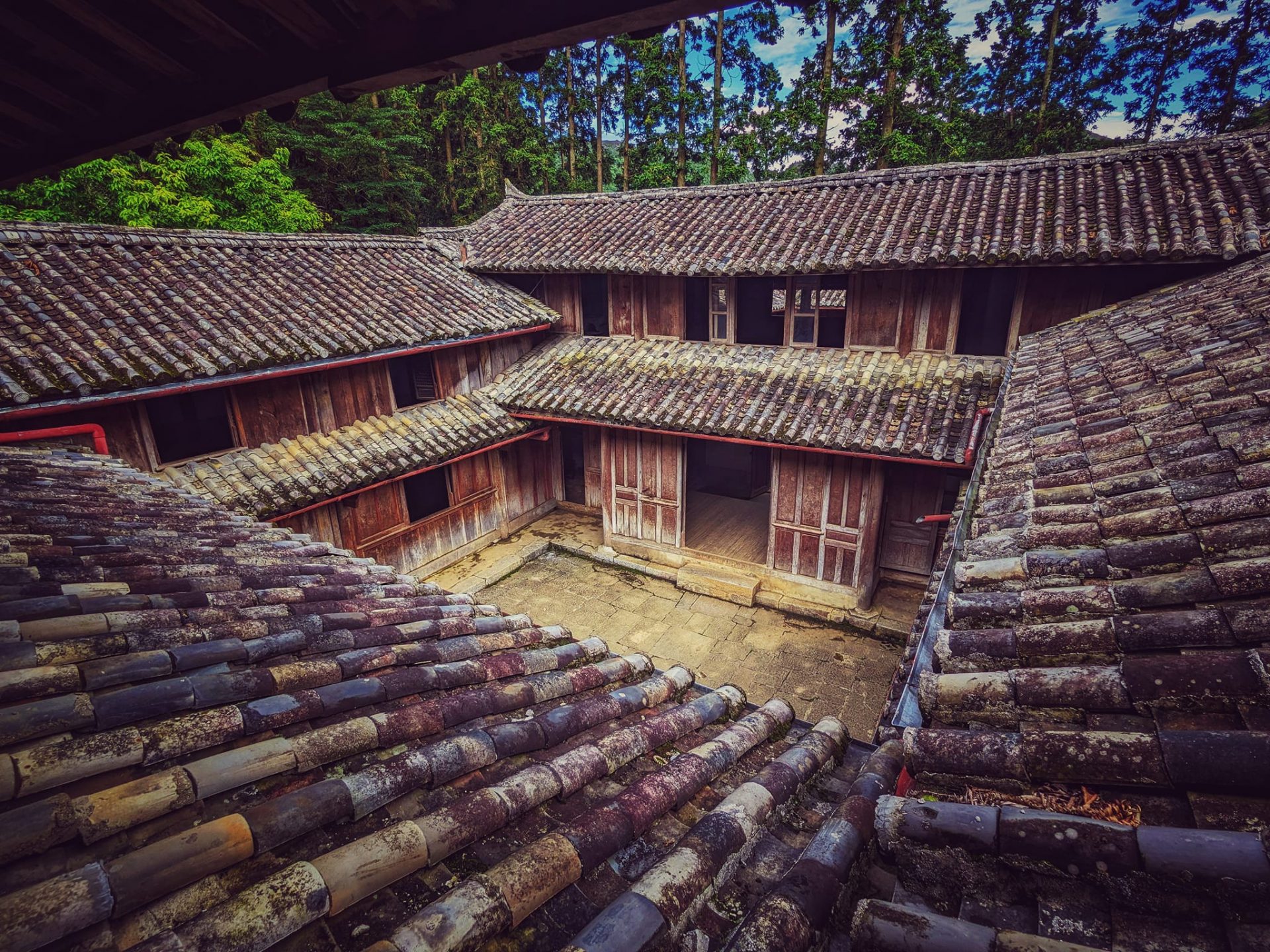
Heritage Bình Chuẩn draws inspiration from the entrepreneurial spirit and determination of Bạch Thái Bưởi. Aboard Emperor Cruises, we bring Vietnamese art, cuisine and cultural stories into the experience. With Amiral in Saigon, we are finding ways to connect history with urban life and the culture of the waterways. Each product has its own story, but they share one ambition: For guests to leave Vietnam with a deeper understanding of, and greater respect for, its people and heritage.
Love of heritage gives us the reason to begin. Professional capability determines how far we can go. A historical story must be told accurately. A cultural experience must respect the people who keep that culture alive. A beautiful vessel must operate safely. A promise of quality must be honoured in every meal, every encounter and every detail of service.
That is why I believe the most important factor for a Vietnamese travel brand seeking international recognition is the ability to turn cultural identity into a consistently excellent experience. Our identity gives travellers a reason to choose Vietnam. Quality and trust give them a reason to return and to recommend us to others.
People remain at the centre of that experience. Our colleagues must understand what they are introducing to guests, be skilled in their work and care sincerely about those they serve. I often say that luxury begins in the heart of the person offering hospitality. When a Vietnamese brand keeps its promise in international markets, it also strengthens confidence in Vietnam.
Question 2: You have spoken of the “nation-building entrepreneur,” arguing that success should be measured not only by profit but also by the value an entrepreneur contributes to society. On Vietnamese Entrepreneurs’ Day, how do you see the responsibility of business leaders to develop the economy in a spirit of self-reliance and national ambition?
When I speak of the “nation-building entrepreneur,” I mean someone rooted in their country, capable of competing in the wider world and willing to take responsibility for how they achieve success.
The stature of an entrepreneur can be seen in the business they build, the people who share in its success and the capabilities they leave behind for their country. Strong revenue is an achievement. But I also want to ask: Did that revenue come from a product that delivers real value, or from an unfair advantage? Have employees grown with the business? Have partners been treated fairly? Is the community where the business operates better off?
Profit allows a company to pay its people, meet its obligations, reinvest and withstand difficult periods. A leader has a responsibility to make the business profitable. They also have a responsibility to examine how that profit is earned. If growth exhausts employees, transfers risk to partners or leaves communities to bear environmental costs, the leader must reconsider the business model.
National commitment must therefore be demonstrated through action: Competing on merit, governing transparently, obeying the law, keeping promises and having the courage to refuse advantages that compromise integrity. A healthy business environment depends on entrepreneurs who believe good work deserves a fair opportunity—and who help protect that principle through their own decisions.
I admire Bạch Thái Bưởi because he showed how national pride could become an entrepreneurial force. Yet ambition alone could never have built a fleet. It required technical skill, organisation, capable people and reliable service. That lesson remains relevant today.
In an interconnected world, self-reliance means mastering our products, strengthening our management capabilities and developing Vietnamese teams able to meet demanding standards. We must learn openly, collaborate internationally and adopt new technologies. The more deeply we engage with the world, the stronger our own capabilities must become, so that we contribute something distinctive.
In tourism, this responsibility is also reflected in how we present our country. A guide who tells its history accurately, a colleague who welcomes visitors with care, and a business that protects landscapes and respects local culture all help shape how guests understand Vietnam.
On Vietnamese Entrepreneurs’ Day, I hope we continue building companies with the strength to endure and grow across generations. Our country needs products people can trust, jobs with a future and businesses willing to work together. To me, an entrepreneur’s love of country becomes most visible when that ambition guides everyday decisions.
Question 3: As Vietnam promotes private enterprise and deepens international integration, what should businesses do to balance growth with cultural preservation and responsibility to communities? What specific priorities does LuxGroup have for bringing Vietnamese values to the world?
I believe a business should ask three questions when making an investment: What value are we creating? Who benefits? And who bears the costs? The answers must be visible in its budget, employment policies, choice of suppliers and operating results.
In tourism, a beautiful vessel alone cannot create a successful route. We need accessible piers, safe operations, skilled people and cooperation among destinations. Beyond that, each route should open up opportunities for local communities: Food producers, artisans, storytellers and service providers.
Communities should have a say in how their culture is presented and receive a fair share of the benefits. If visitor numbers rise while local livelihoods do not improve, landscapes come under pressure and cultural traditions become performances staged solely for tourists, a business must examine its approach.
We should therefore measure more than revenue and profit. We need to look at the quality of jobs, opportunities for training, the value purchased from local suppliers, resource use and our impact on heritage. Measurement helps leaders see where results fall short of their commitments—and make changes.
At LuxGroup, we continue to build a House of Small Giants: Specialist businesses with room to take initiative, united by shared standards of quality, culture, care for people and responsibility. I want each business to excel in its field while working with the others to offer guests a richer understanding of Vietnam.
One priority is to connect journeys designed by Lux Travel DMC more closely with Heritage, Emperor and Amiral cruises, Vietnamese cuisine and art. A guest can come to know a place through its river, its food, a work of art, a historical account and the people met along the way. The Phạm Lực art collection offers another way for us to share stories of Vietnamese life and spirit.
Over the longer term, we are pursuing a vision for Vietnamese waterway tourism through 2045, with an ambition to develop a fleet of 30 vessels. This is a long-term goal that must be pursued in stages, in line with market demand, financial capacity, infrastructure, safety requirements and environmental responsibilities. What matters to me is that each vessel has a reason to exist, each route offers something distinctive and each step forward creates opportunities for the places we visit.
Alongside investment in products, we must invest in people and management. Our colleagues need opportunities to develop their skills, understand Vietnamese culture, use technology well and speak up when they see a problem. Partners must be treated with respect. Communities must be heard. Leaders must be willing to acknowledge shortcomings and correct them. Pride in a Vietnamese brand carries meaning only when we also have the capacity to improve it.
My hope is that as LuxGroup brings Vietnamese values to the world, the people who make those experiences possible move forward too: Employees gain better prospects, partners find room to grow and communities have greater resources to safeguard what they treasure.
Vietnam’s ambition can carry us far. The entrepreneur’s task is to support that ambition with real capability, trustworthiness and a lasting commitment to service—so that as our businesses grow, they also help our country grow stronger.