

Dr. Phạm Hà — Founding President & CEO, LuxGroup®
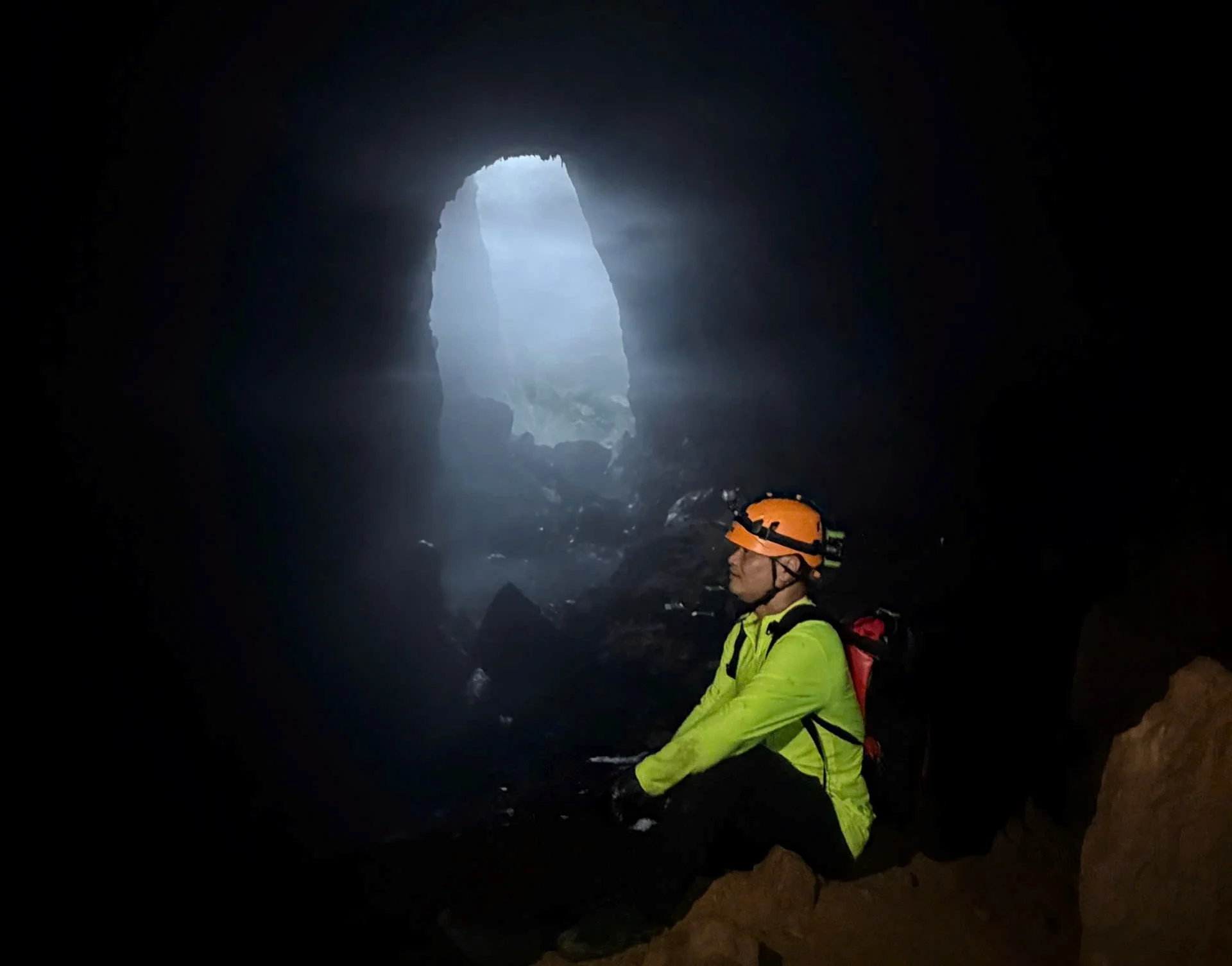
Deep inside Sơn Đoòng, I found myself asking a question business leaders rarely welcome: if demand keeps growing, should we accommodate everyone?
In the darkness of the cave, surrounded by formations shaped over immense stretches of time, human ambition suddenly felt small. We can build more ships, add more rooms and enter new markets. But we cannot commission another Sơn Đoòng. Nor can we buy back an unspoiled bay or the quiet rhythm of a village once they are lost.
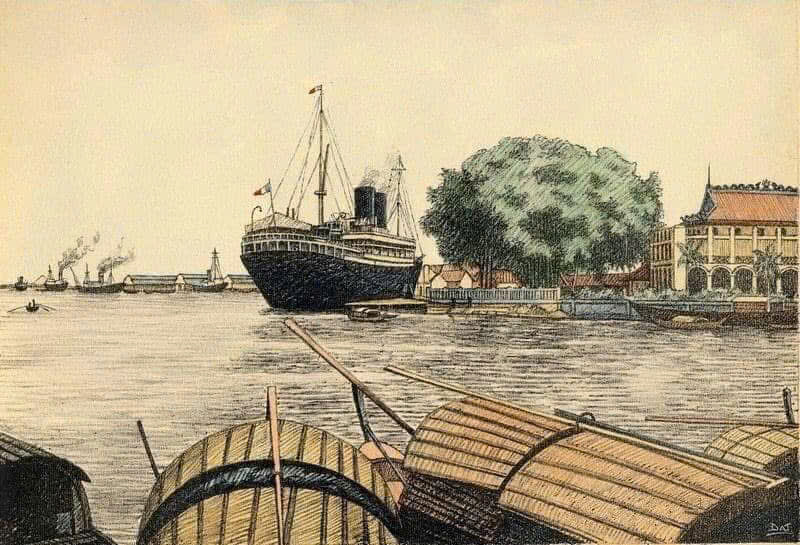
I thought of Bạch Thái Bưởi, the Vietnamese shipping pioneer whose entrepreneurial spirit has inspired LuxGroup®’s heritage cruising journey. His example gives me the courage to venture into open waters. Sơn Đoòng reminds me to consider the limits we must respect along the way.
Between the depths of the cave and the breadth of the sea, five lessons became clearer.
1. Knowing When to Stop Is a Business Capability
Increasing visitor numbers is an obvious goal. Preserving the reasons people want to visit requires a longer view.
A river sustains livelihoods, memories and ecosystems. A village holds families, traditions and people’s right to shape their future. When considering additional departures, rooms or services, businesses must also account for the pressures communities will bear.
Capacity limits challenge us to become more creative: deepen experiences, encourage longer stays, increase local income and generate greater value from each journey.
Luxury begins with enough space for people and nature to flourish.
2. Ambition Needs a System for Execution
I am drawn to ambitious ideas for Vietnam’s waterways. Yet every safe voyage depends on practical work: surveying routes, inspecting equipment, monitoring weather, training crews and preparing contingency plans.
The more effortless a journey feels to guests, the more disciplined the operation behind it must be.
Vietnam Waterways® is an ambition that must develop through people, financial capacity, safety standards and local partnerships. Each expansion needs evidence to justify it, resources to sustain it and standards against which to assess it.
A cultural story may persuade guests to step aboard. How well we deliver our promise shapes what they feel when they step ashore.
3. Going Further Requires More People Who Can Lead
Inside Sơn Đoòng, I listened to those who understood the terrain and trusted the pace of the team. That experience made me reflect more deeply on my role as a founder.
As a business grows, it needs more people capable of leading. When every decision returns to one desk, the organization struggles to use the full intelligence of its people.
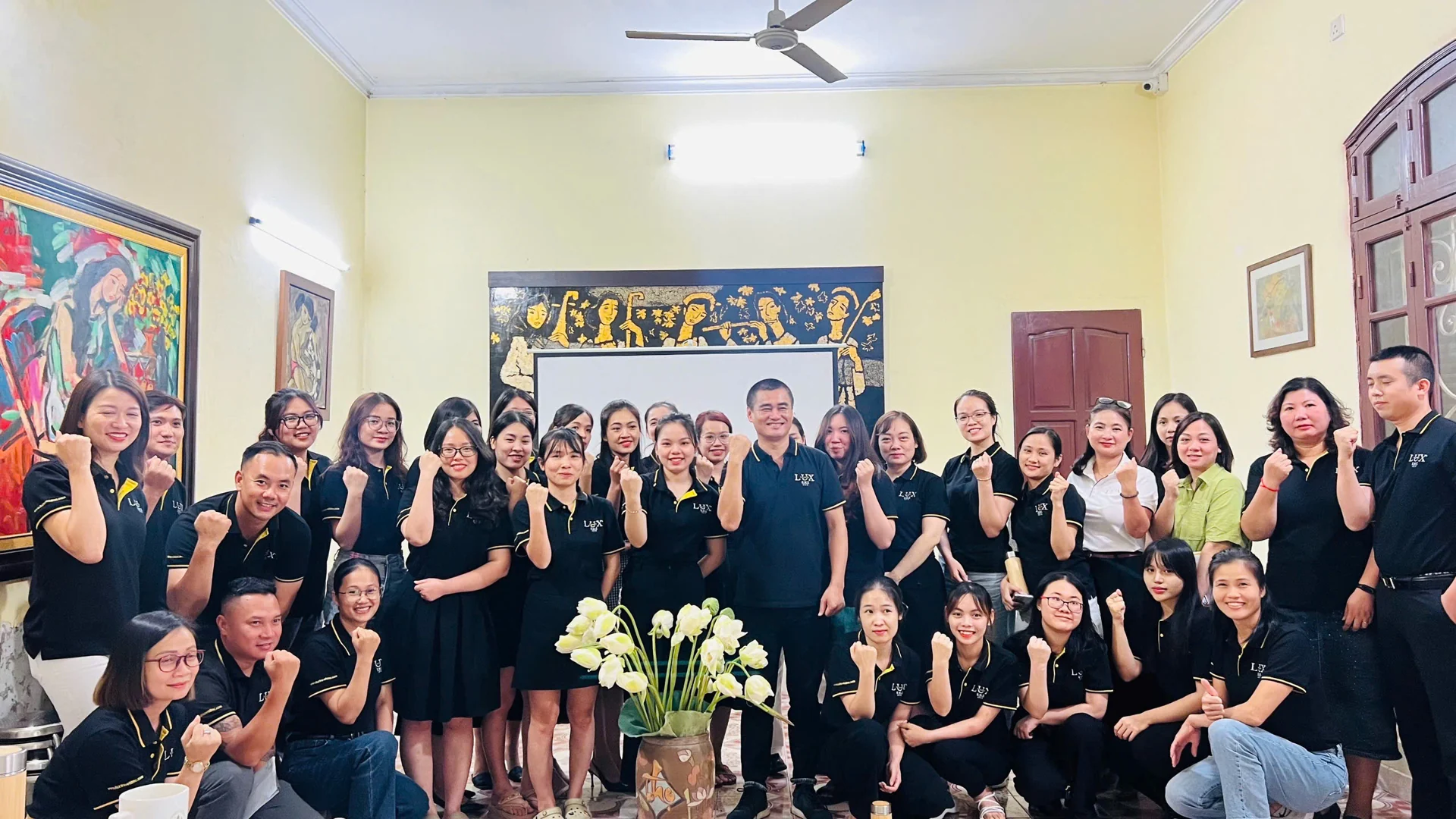
LuxGroup® aspires to become “A House of Small Giants,” with each business developing its own identity, expertise and accountable leader. The parent company must clarify direction, decision authority, investment boundaries and support arrangements.
Delegation requires data, budgets, capabilities and trust. For me, one sign of organizational maturity is that sound decisions are made when the founder is absent.
4. Integrity Becomes Visible in Difficult Choices
Speaking about sustainability is often easier than making a decision that carries a cost.
Will a business pay local partners fairly? Give employees enough time to learn their craft? Adapt a profitable product when a community begins to experience excessive pressure?
These questions bring values off the page and into daily practice.
Profit enables businesses to pay salaries, reinvest and improve quality. How we earn it also shapes our relationships with employees, communities and nature.
Trust is built through individual choices, especially when doing the right thing carries an immediate cost.
5. Success Lies in What Remains
After a journey, I want to see guides more confident in their skills, artisans earning more from their work, guests understanding Vietnam more deeply and residents still happy to welcome us back.
I want our ships to tell Vietnamese stories through design, food, painting and genuine hospitality. The rivers and bays that sustain those stories must remain healthy for future generations.
From Sơn Đoòng to the East Sea, my ambition to venture further remains intact. I simply understand more clearly that every step forward must be assessed by what it leaves behind.
Sometimes we must slow down to listen. Sometimes we must change course to protect a place. Sometimes we must pause so our colleagues can keep pace.
What makes a journey worth celebrating is the growth of the people who share it—and the beauty that remains when we leave.