


At LuxGroup, building a House of Small Giants means giving specialist leaders the authority to act and making the group’s contribution to their businesses visible.
By Dr. Phạm Hà, Founding President & CEO, LuxGroup®
When Emperor Cruises considered moving an itinerary from Hạ Long Bay to Bái Tử Long Bay, the idea came from the ship director. The proposal went through the business director and reached me for a final decision. I approved the move and led its implementation. The new route began operating on 1 October 2026.
As founder, I had reasons to be involved. I had developed the Emperor Cruises brand and its story, and a new route could change what we promised guests. The decision also raised a question about how we govern the group. If a ship director can identify an opportunity and a business director is responsible for the result, what does my approval contribute? And under what conditions could the business director make the next decision?
That question is central to what we call A House of Small Giants. LuxGroup grew from a travel business founded in 2005 into a group spanning destination management, boutique cruising, hospitality, dining, and the arts. Each business depends on specialist knowledge and has its own relationships with guests and partners. As the portfolio grows, the parent company must be able to explain what each business gains from belonging to the group.
Give the parent company a job it can do well
In Corporate-Level Strategy, Michael Goold, Andrew Campbell, and Marcus Alexander call this test parenting advantage. A parent company earns its place when it can create more value for its businesses than another owner could. It can do so by improving individual businesses, connecting them, providing shared services, or deciding where to invest and develop the portfolio. Each contribution depends on whether the parent’s capabilities fit what a particular business needs. Corporate-Level Strategy · The Value of the Parent Company
Consider the relationship between Lux Travel DMC® and Emperor Cruises®. The DMC team hears directly from international travel partners. It can test whether there is demand for a different bay, a longer stay, or a more intimate cruise. The Emperor team can turn that information into a sailing schedule and a guest experience its crew can deliver. The group can help the two businesses agree on capacity, commercial terms, and who owns the relationship with the guest.
The collaboration earns its place if it brings suitable guests aboard and generates additional contribution after selling and coordination costs. If a joint offer fills cabins by displacing more profitable bookings or consumes too much of the operating team’s time, the group should revise the arrangement. Common ownership makes it easier to start the conversation. The results tell us whether to continue it.

Separate the decision from the support it needs
The Bái Tử Long case illustrates a distinction executives can easily overlook. A business may need the parent’s market knowledge, funding, or brand advice. The authority to approve the decision can still sit with the business.
For a future route change within an agreed mandate, the ship director could prepare the operational recommendation and lead vessel-side execution. The business director could make the decision and take responsibility for the outcome. The group could provide demand data and advice on whether the itinerary fits the brand. A proposal involving a material capital commitment or a significant change to the brand promise would go to the authority designated for that decision.
The sequence of the original decision gives us a way to test the design. What did the proposal contain when it reached the business director? What changed after it was referred to me? Did my involvement resolve a question about the guest promise, release resources, or bring another team into the work? Those answers would tell us what the next director needs in order to decide well.
Timing matters too. If a vessel and crew are ready but a complete proposal is sitting in an approval queue, delegation may shorten the wait. If the first departure depends on operational preparation or the arrival of the first guest group, moving the signature changes little. An elapsed interval on a calendar can contain several different problems. Each calls for a different response.
Let specialists own the work that makes them distinctive
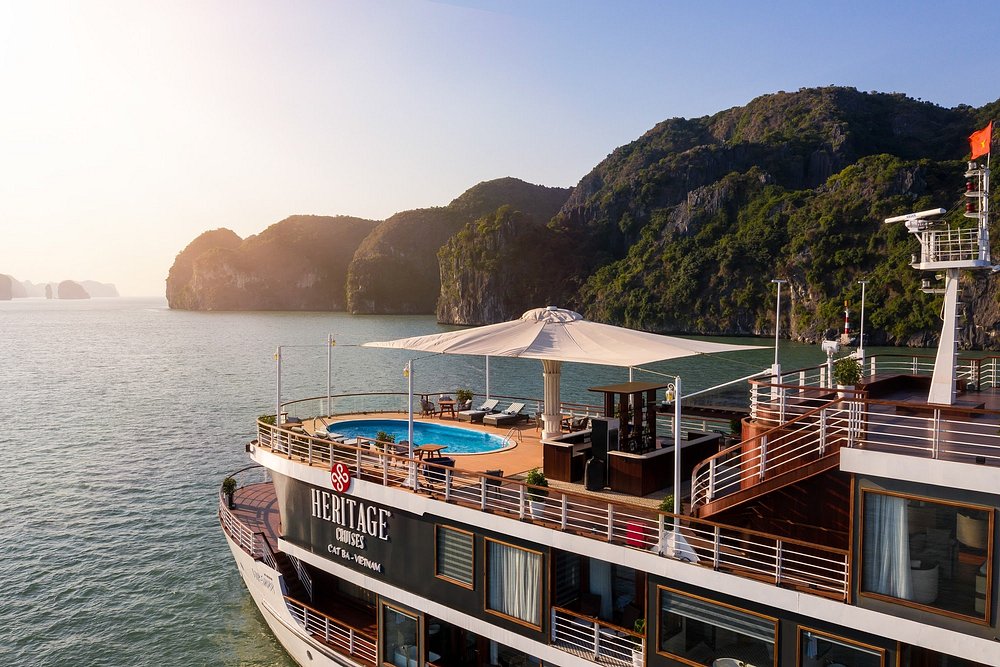
Heritage Bình Chuẩn® shows a different way the group can contribute. On the voyage through Lan Hạ Bay, guests encounter 100 original works by Vietnamese painter Phạm Lực. A collection assembled over years now reaches people who may be encountering Vietnamese painting for the first time.
The opportunity comes from bringing together two kinds of expertise. Lux Arts Collection® can contribute knowledge of the works, their provenance, and the stories they carry. The cruise team understands how guests move through the ship, when they have time to pause, and how an encounter with a painting fits into a voyage. The group can bring the teams together and clarify their responsibilities. The quality of the experience depends on the judgement of both.
Our belief that Luxury is Culture® has practical implications here. Which works should guests encounter together? Who can explain their history accurately? How should they be cared for aboard a working vessel? A shared belief gives the teams a reason to collaborate. Clear responsibilities give them the means to do it well.
Amiral Cruises® calls for a different kind of contribution. A potential overnight product involves a larger commitment and competes for capital with other opportunities in the group. The Amiral team is best placed to develop the case for demand and operating feasibility. The group can compare investment options, assess exposure, and decide how much to commit at each stage. The division of labour follows the economics of the decision and the location of the expertise.
Make the founder’s judgement available to others
The hardest part for a founder is making explicit what experience has made intuitive. When I say an itinerary feels right for Emperor Cruises, I may be drawing on years of conversations with guests, work on the brand’s story, and familiarity with what our crews can deliver. A director needs to know which of those considerations drove the decision and what evidence might change it.
A short decision record can help. It can capture the options considered, who had authority, what the group contributed, and what happened after launch. Over time, these records can show where consultation improved a decision and where an additional approval consumed time without resolving anything material. They also give directors examples to draw on when they face a decision of their own.
This is how I think about the next stage of LuxGroup. A cruise director should be able to develop a better voyage. A travel team should be able to take it to the right market. An arts team should have the authority to protect the integrity of the work it shares. The parent company should be able to point to the resources, relationships, and judgement it contributed to each result.
The test of our House of Small Giants will come with the next promising idea from a ship, a kitchen, or a travel team. Can the people closest to the opportunity make a sound decision, get the support they need, and answer for what happens next?

