

More than a century later, his greatest legacy is not the fleet he built, but the standard he set for Vietnamese entrepreneurship.
By Pham Ha
“A businessperson’s wealth may be measured by assets. History, however, measures them by the values that remain long after they are gone.”
In an era defined by artificial intelligence, digital transformation, and globalization, companies are valued by market capitalization, entrepreneurs are ranked by net worth, and nations are measured by competitiveness and innovation. Yet amid these modern metrics, one enduring question remains—the very same question that confronted Vietnam more than a century ago: How do we build businesses that create prosperity not only for their owners but also for the nation they serve?
Few individuals have answered that question more convincingly than Bạch Thái Bưởi (1874–1932), one of Vietnam’s greatest entrepreneurial pioneers.
In 1919, the distinguished scholar Phạm Quỳnh, writing under his pen name Thượng Chi in Nam Phong Magazine, published a celebrated essay on Bạch Thái Bưởi. At a time when newspapers often glorified wealth and power, Thượng Chi neither described him as a “great millionaire” nor crowned him the “King of Shipping.” Instead, he offered a remarkably concise assessment that would become one of the most enduring tributes in Vietnamese business history:
“Mr. Bạch Thái Bưởi – a role model for Vietnam’s business community.”
Only a few words, yet they captured an extraordinary life.
What Phạm Quỳnh recognized was not merely financial success. He recognized the emergence of a new kind of entrepreneur—one who regarded commerce not simply as a means of generating profit, but as an instrument for serving the nation. More than a century later, that observation remains strikingly relevant because history remembers Bạch Thái Bưởi not for the size of his fortune, but for his entrepreneurial spirit, his national vision, and his unwavering commitment to Vietnam’s economic future.
Born during French colonial rule, when many of the country’s key industries were controlled by French companies and Chinese merchants, Bạch Thái Bưởi could easily have chosen the safer path. He could have remained an agent, a subcontractor, or a junior partner within an economic system designed by others. Instead, he chose competition. It was more than a business decision; it was a statement of character and an expression of confidence in the capabilities of the Vietnamese people.
When he entered the inland shipping industry, he fully understood his disadvantages. He had less capital, inferior technology, limited experience, and almost no political backing. Yet he possessed one form of capital that no competitor could purchase: the trust of his fellow Vietnamese. That trust became his greatest competitive advantage, enabling him to build a respected brand through service quality, reliability, and national pride.
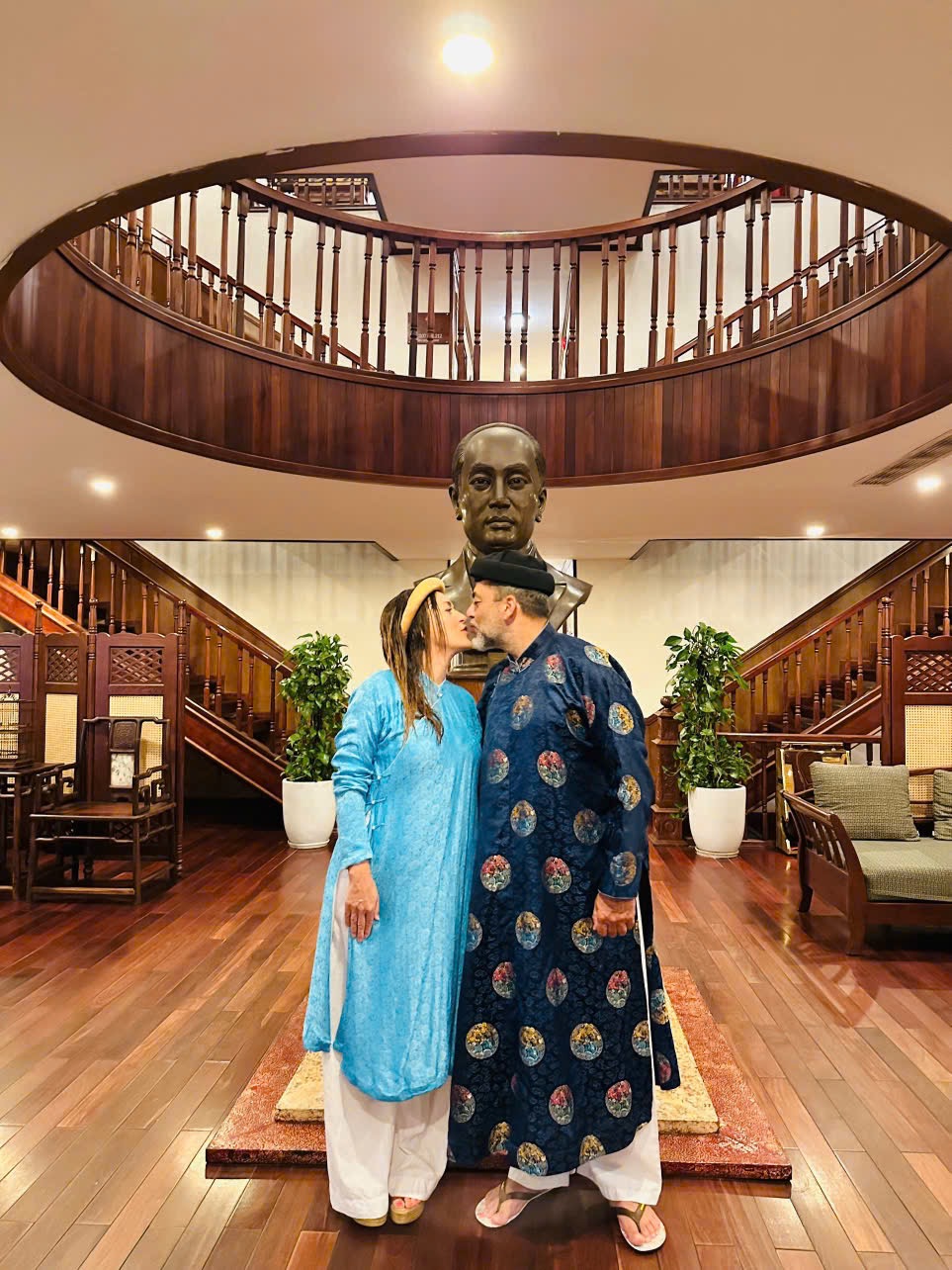
His famous slogan, “Vietnamese people should travel on Vietnamese ships,” was therefore never merely a marketing campaign. It was a call for economic self-confidence expressed through commerce. Every passenger who boarded one of Bạch Thái Bưởi’s vessels purchased more than a ticket; they cast a vote of confidence in the belief that Vietnamese entrepreneurs could shape their own economic destiny. That is what distinguished a successful businessman from a national entrepreneur.
What I admire most about Bạch Thái Bưởi is not the fleet of nearly thirty ships that once sailed across northern Vietnam, nor the acquisition of the country’s most modern shipyard in Hải Phòng. What commands my deepest respect is his vision. He did not build an isolated shipping company; he built an ecosystem that included vessels, shipyards, repair facilities, distribution networks, publishing operations, newspapers, and investments in infrastructure projects.
Today, we describe this as ecosystem thinking or an integrated value chain. More than one hundred years ago, Bạch Thái Bưởi was already practicing these concepts through the instinctive insight of an exceptional entrepreneur. He understood that enduring enterprises are not built around a single product but around interconnected systems that continuously create value. It remains a lesson that many Vietnamese companies continue to pursue today.
Some individuals become wealthy because they are fortunate enough to live in the right era. Others are equally fortunate but still fail. What defined Bạch Thái Bưởi was not circumstance but character. He entered industries where no Vietnamese entrepreneur had previously taken the lead. He accepted failure, competition, and risk, yet he refused to accept the inferiority complex imposed upon a colonized nation. The greater his success, the greater his ambition. From Vietnam’s rivers, he looked toward the open sea—not simply to transport cargo, but to carry Vietnam’s aspirations.
One episode in his life has always left a profound impression on me. Bạch Thái Bưởi studied projects involving water supply, drainage systems, public lighting, and the railway connecting Nam Định and Hải Phòng. Had these projects succeeded, they might have reduced the competitive advantages of his own river transport business. Yet he pursued them nonetheless because he understood a larger truth: entrepreneurs do not exist to protect their privileges; they exist to create greater value for society.
That principle draws a clear distinction between two kinds of business leaders. A crony entrepreneur seeks privilege. A national entrepreneur builds capability. One accumulates wealth. The other creates legacy. Wealth may disappear with economic cycles or political change, but a legacy founded upon enduring values continues to inspire generations.
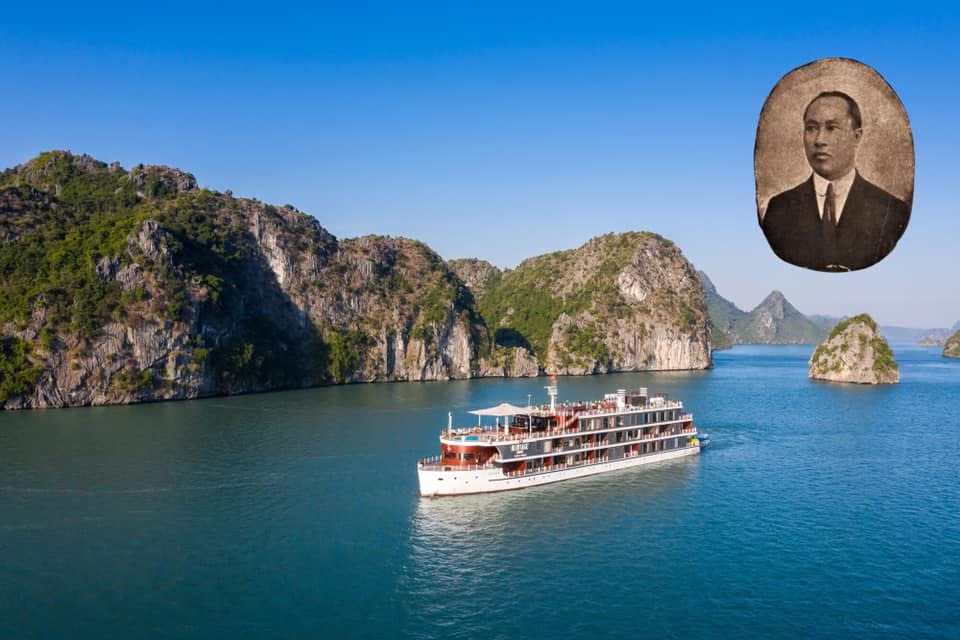
Many people have asked why Lux Cruises chose the name Heritage Bình Chuẩn for our first heritage cruise ship. My answer is simple: I did not wish to recreate a vessel; I wished to continue a spirit. When Heritage Bình Chuẩn was launched exactly one hundred years after Bạch Thái Bưởi’s legendary ship Bình Chuẩn, it was far more than a historical coincidence. It was our tribute to an entrepreneur who demonstrated that culture, patriotism, and commerce could coexist within a single vision.
If the original Bình Chuẩn embodied Vietnam’s aspiration to revitalize its commercial maritime industry, Heritage Bình Chuẩn seeks to introduce Vietnam to the world through a different language—the language of culture, heritage, and genuine hospitality. We believe that travel is more than moving people from one destination to another. At its finest, it deepens understanding of history, identity, and the enduring values that define a nation.
In today’s age of artificial intelligence, robotics, and big data, we speak constantly about technology. Yet technology alone cannot define the character of an entrepreneur. Only people can do that. Bạch Thái Bưởi left behind more than ships; he left Vietnam’s business community with confidence. He did more than establish shipping routes; he charted a path where entrepreneurs pursue not only profit but also responsibility—to society, to culture, and to the future of their country.
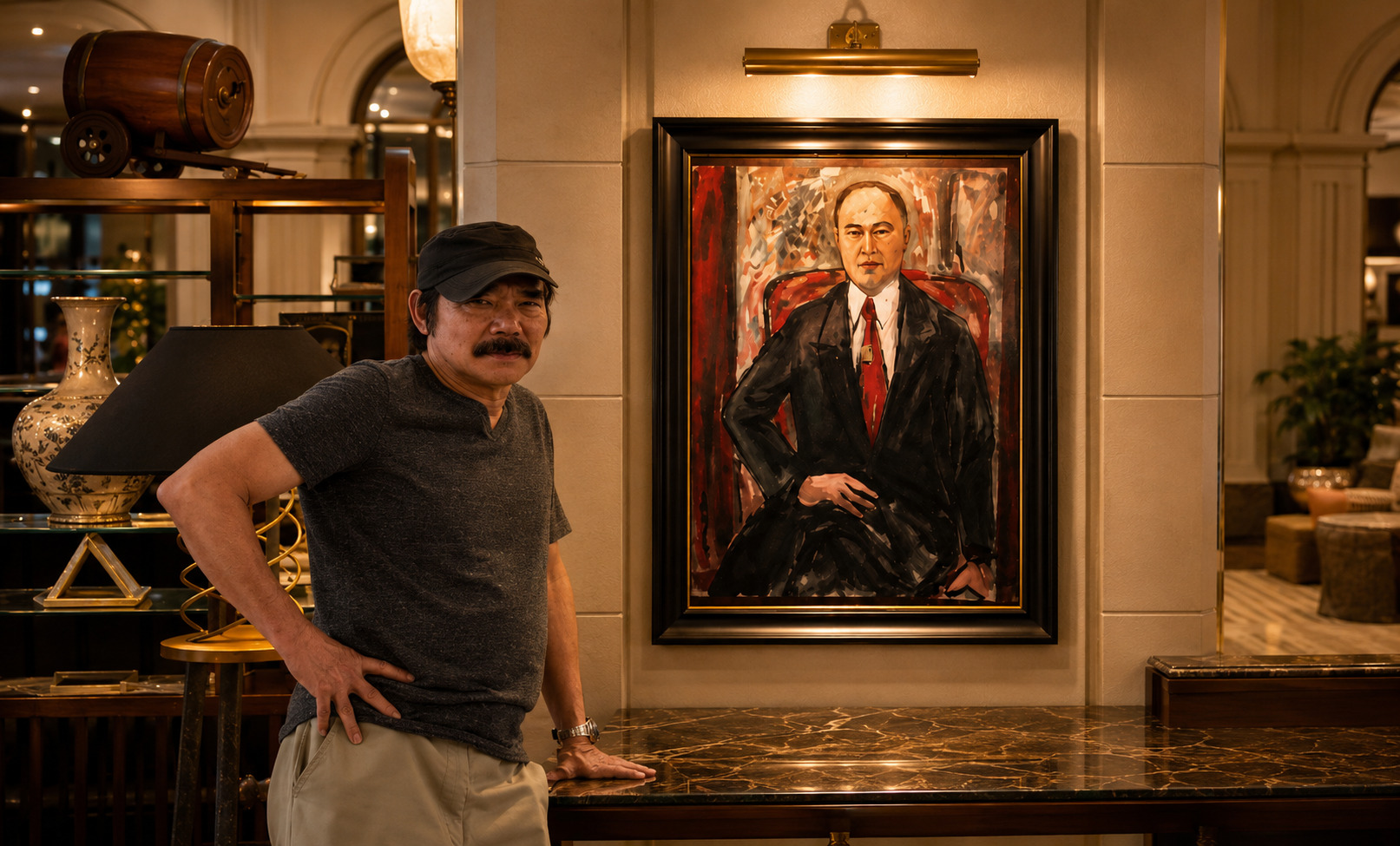
Perhaps that is why, more than a century ago, Phạm Quỳnh, writing as Thượng Chi, described him simply as “a role model for Vietnam’s business community.” More than one hundred years later, that description has lost none of its meaning. On the contrary, as Vietnam aspires to build globally respected enterprises, Bạch Thái Bưởi’s life continues to offer a timeless benchmark: compete through capability, lead through values, and leave behind a legacy that strengthens the nation.