

What the 2026 MICHELIN Key selection can teach Lux Cruises Group about memorable travel
In 2026, 21 hotels and resorts in Vietnam received MICHELIN Keys. Some stand in cities; others sit beside rivers, beaches, or mountains. MICHELIN assesses hotels through their design, quality of service, character, value for the price, and contribution to their setting. Those criteria invite a question for everyone who creates journeys on the water: What makes a guest want to return to a ship?
The answer may begin before guests step aboard. A memorable voyage offers the promise of something specific: seeing a familiar place from a new angle, finding time to rest, or hearing a story they might have passed by on land. Once the ship leaves the pier, the pace changes. The city recedes. The coastline opens. The hours between destinations become part of the holiday, with pleasures of their own.
That is a ship’s distinctive advantage. A hotel invites guests to settle into one place; a cruise carries them through changing landscapes while giving them somewhere to feel at home. Yet movement alone does not create meaning. A voyage may offer a beautiful suite, a fine meal, and a full itinerary, and still leave guests searching for the one thing they could only have experienced there. The journey should help them feel why they are on this stretch of water, at this moment.
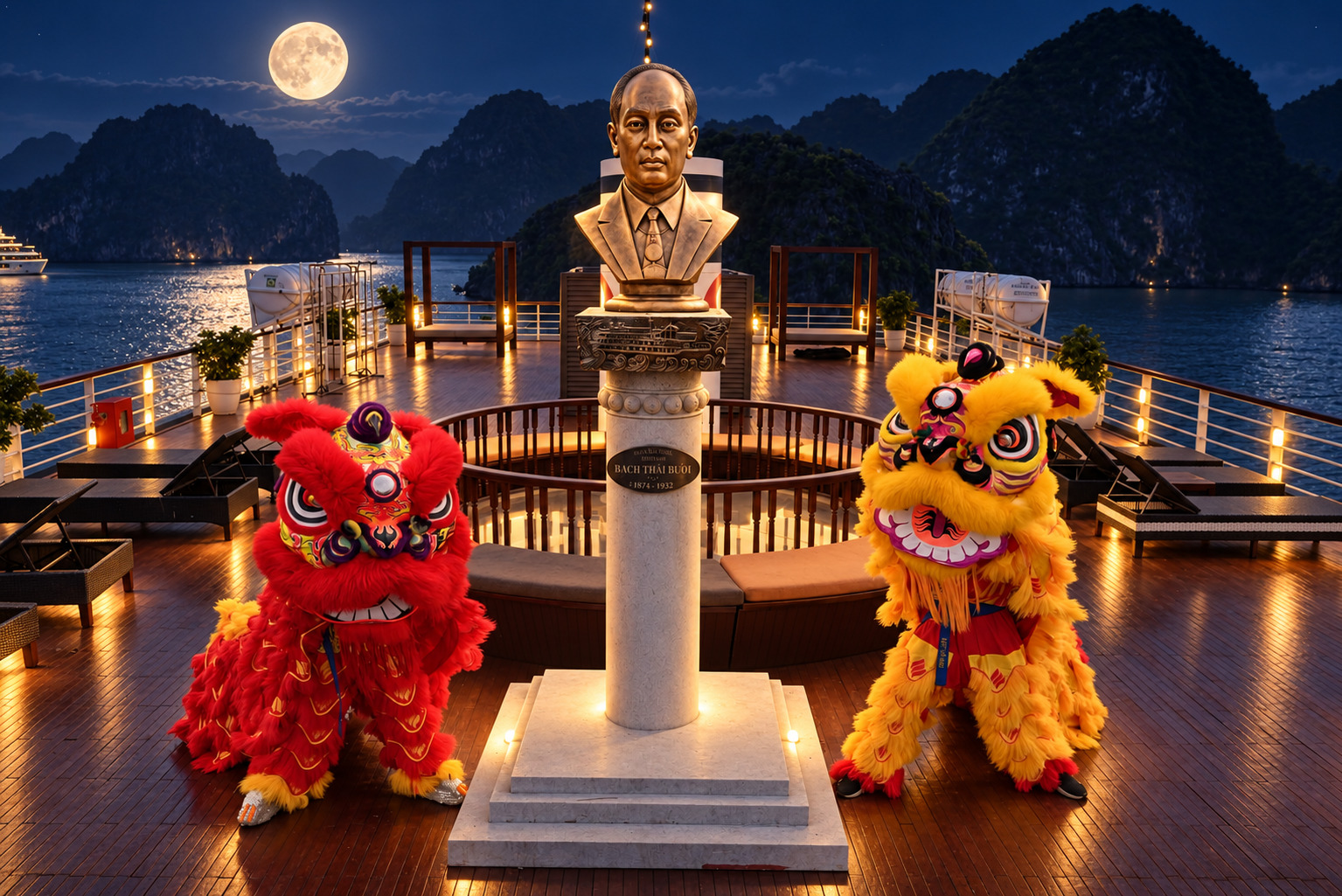
Aboard Heritage Cruises Bình Chuẩn, that story begins with Vietnam’s maritime heritage and continues through Lan Hạ Bay. The view changes with the light and the ship’s direction. At one moment, limestone islands seem close enough to touch; at another, the water opens into a wide, quiet space that seems to slow every conversation. The name Bình Chuẩn recalls the seafaring ambition of Vietnamese entrepreneur Bạch Thái Bưởi. Told at the right moment and with a light touch, that history gives the voyage depth while leaving guests free to experience the bay in their own way.
In Nha Trang, Emperor Cruises calls for a different rhythm. The sea, sunlight, and life along the shore bring an openness and energy of their own. A journey here should let guests take in the city through more than its scenery: the outline of the coast from offshore, the air above the water, the flavors of a meal, and the softer light of late afternoon. The cruise develops its character through the way these impressions come together, so guests leave with a sense of Nha Trang that belongs to this particular journey.
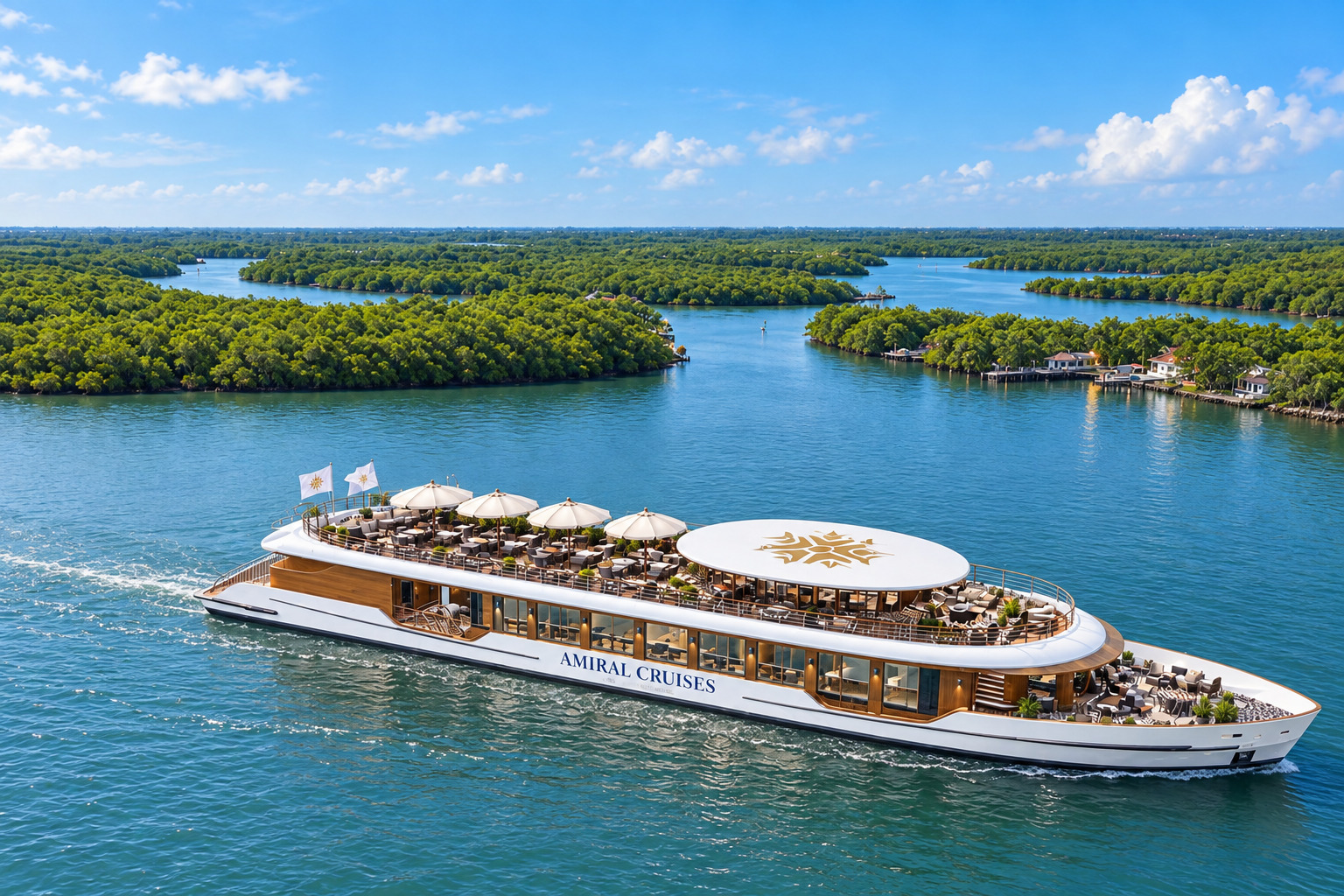
On the Saigon River, Amiral Cruises has an opportunity to tell an urban story. From the water, the city’s different eras appear side by side: older riverfronts, the life of the present day, and a skyline still taking shape. A cruise can help guests understand more of what they are seeing. History feels closest when a guide chooses one telling detail, shares it well, and then gives the river and the city room to continue the story.
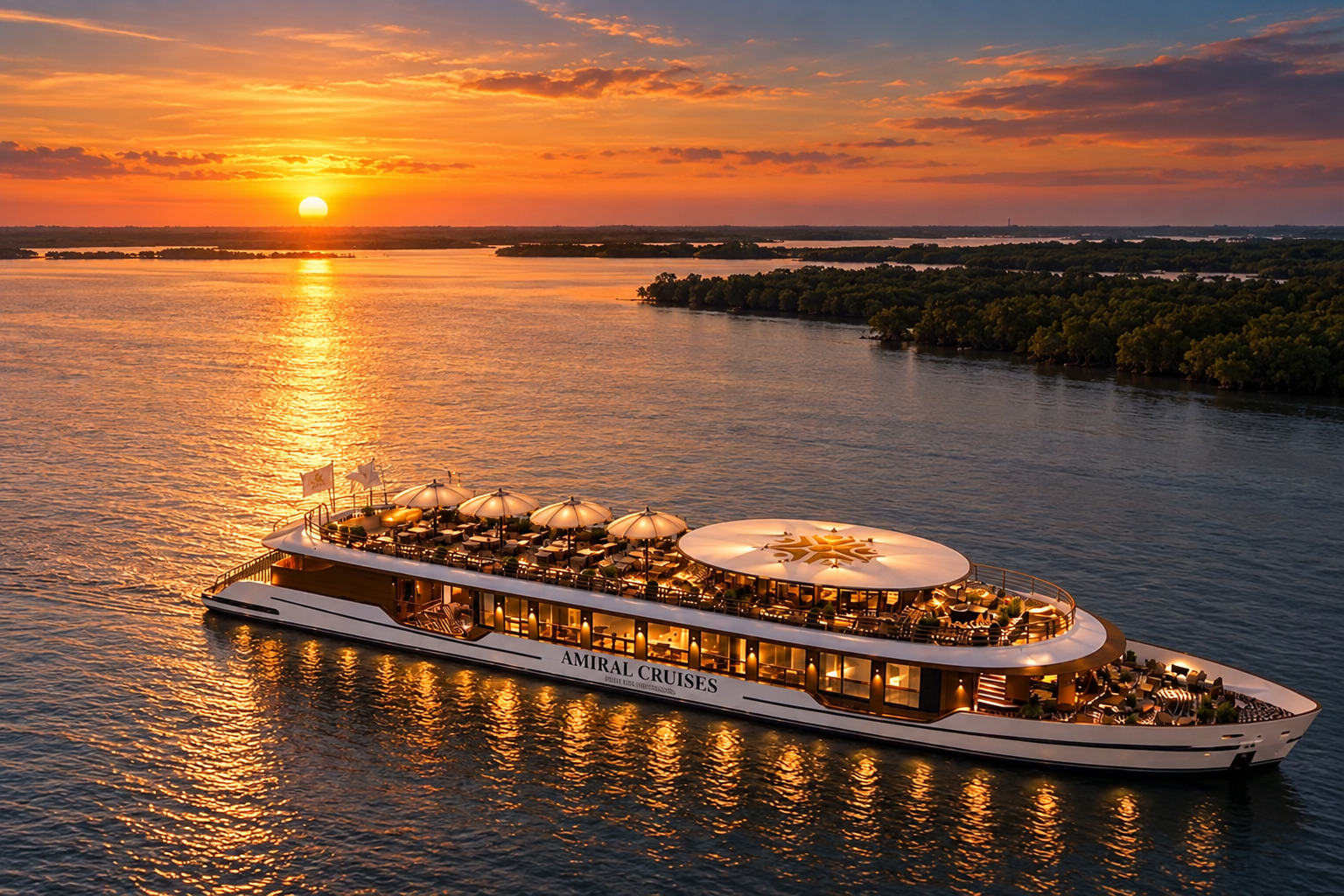
These three experiences need neither a common design style nor a single service script. They need clarity of character. On Heritage, guests should feel the connection between maritime history and the landscape of Lan Hạ. On Emperor, they should sense the spirit of Nha Trang. On Amiral, they should come to know Saigon through its river. Ideally, a guest recalling a view, a meal, or a conversation would recognize which voyage it belonged to even without seeing the ship’s name.
Character, however, is tested in ordinary details. Did guests receive clear information before departure? When they boarded, did they know whom to ask for help? Was dinner paced so they could enjoy both the food and the view? Did the crew recognize when someone welcomed a conversation and when they wanted quiet? A cultural story shared with knowledge and sincerity stays with a guest longer than a speech recited from memory.
Thoughtful service also requires the freedom to respond when plans change. Weather may shift. A stop may need to be adjusted. A family may discover that they would rather rest than follow every activity. In those moments, the crew’s care becomes visible in how they explain the options, reshape the day, and help guests feel looked after. Such moments rarely appear in promotional photographs, yet they often decide what people say about a trip once they are home.
This is why Lux Cruises Group should begin each new journey with a direct question: What will guests take home with them? The answer should be tangible. It might be a new understanding of a river, the pleasure of a meal shared with family, or the feeling of seeing a bay without being hurried through it. From there, the team can choose the design, activities, and style of service that serve that experience. An additional amenity earns its place when it genuinely improves the journey.
Guests judge value in much the same way. Price, ship size, and the number of activities matter when they book. Afterwards, a more personal measure tends to take over: Was the time well spent? Did the people traveling with them enjoy themselves? Would they recommend the voyage to someone they care about? A journey with fewer scheduled activities can feel more valuable when each moment has been considered and guests have space to make it their own.
MICHELIN Keys recognize hotels; their criteria are not a rating system for cruise ships. Still, they offer a useful way to examine a voyage through a guest’s eyes, from the promise made at booking to the memory that remains after disembarkation. For Lux Cruises Group, this sits naturally alongside the belief that Luxury is Culture®. Culture lives in art, food, and history, but also in the way people welcome a guest, listen to them, and give them time to connect with a place.
Months later, guests may not remember how far the ship traveled or how many dishes were served at dinner. They may remember standing before the bay as the light faded, hearing the story behind the vessel carrying them, or watching Saigon illuminate from the river. When a voyage gives them a moment like that, they take home something more enduring than an itinerary: a memory that could only