


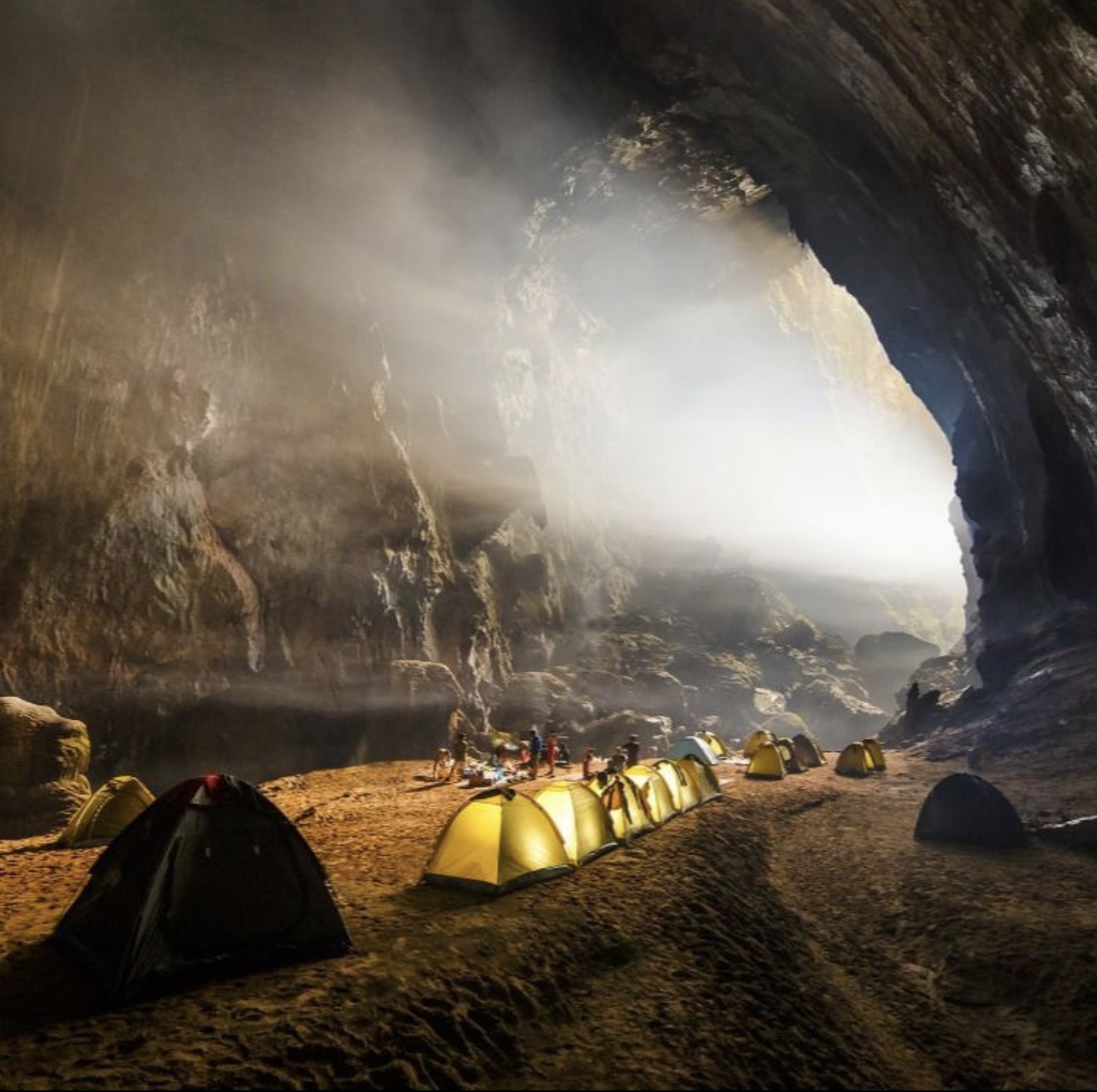
Ten lessons every explorer should know before entering the world’s largest cave
By Dr. Pham Ha – Founder & CEO, LuxGroup®
“The success of an expedition is not decided at the cave entrance. It is decided long before the first step is taken.”
Every Great Expedition Begins Long Before Departure
Most people believe the Sơn Đoòng expedition begins when they arrive in Phong Nha–Kẻ Bàng National Park. I once thought the same. Yet after studying the expedition carefully, speaking with experienced guides, and preparing for my own journey, I realized the opposite is true. The expedition begins weeks, even months, before departure. It starts with building endurance, checking your health, selecting the right equipment, and, above all, preparing your mindset. The cave simply reveals how well you have prepared. Leadership follows the same principle. Success is rarely created on the day an important decision is made; it is built quietly through disciplined preparation long before anyone notices. Preparation, more than talent, determines how confidently we face uncertainty.
Pack the Right Mindset Before Packing Your Backpack
The most important item you will carry into Sơn Đoòng is not your backpack, your trekking poles, or even your boots. It is your attitude. This is not a race, nor is it a place to prove that you are stronger or faster than everyone else. There will be moments of exhaustion, slippery rocks, river crossings, and unexpected challenges. They are all part of the experience. Accept them with patience rather than frustration. The explorers who enjoy Sơn Đoòng the most are not necessarily the fittest; they are the ones who remain calm, listen carefully, and move with confidence instead of ego. Once you stop competing with others, you begin discovering yourself.
Fitness Creates Freedom
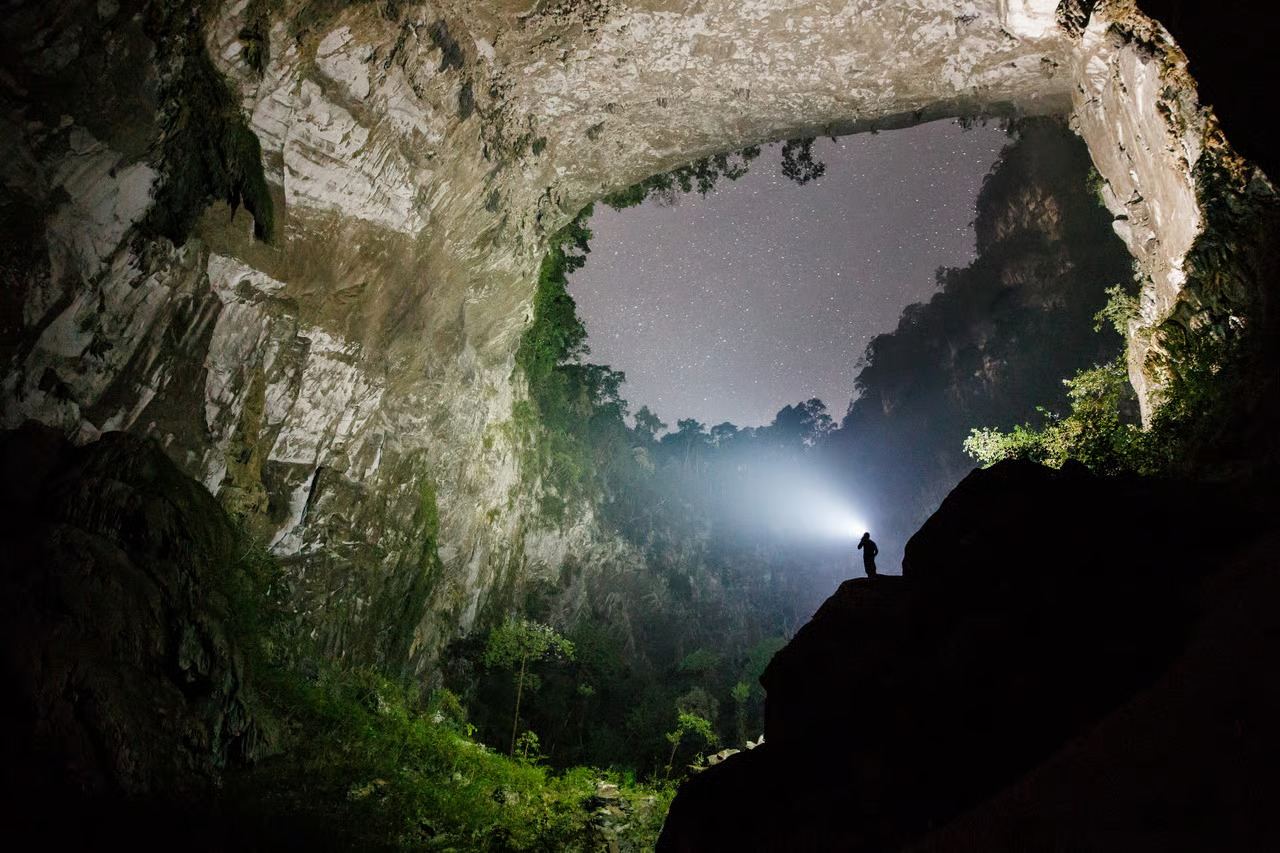
Sơn Đoòng does not require elite athletic ability, but it does demand endurance. You should be comfortable walking for five or six hours a day, climbing multiple flights of stairs without excessive fatigue, and covering long distances across uneven terrain. Building that foundation begins months before departure through hiking, brisk walking, stair climbing, cycling, or swimming. Strong fitness does not simply reduce physical discomfort; it creates freedom. Instead of focusing on every painful step, you are free to appreciate towering cave chambers, underground rivers, ancient forests, and extraordinary moments that few people on Earth will ever experience. Physical preparation ultimately allows your attention to shift from surviving the expedition to fully living it.
Your Boots Will Shape Your Journey
If there is one piece of equipment that deserves your greatest attention, it is your footwear. A lightweight trail-running or trekking shoe with excellent grip, quick drainage, and proven comfort will become your most trusted companion. Never bring brand-new boots to Sơn Đoòng. Break them in well before departure so that both your feet and your footwear learn to work together. Pair them with quality trekking socks and carry blister prevention patches or anti-friction balm. Small discomforts become major obstacles over several days of trekking. In both expeditions and business, seemingly minor details often determine whether an experience becomes memorable for the right reasons or the wrong ones.
Carry Less to Experience More
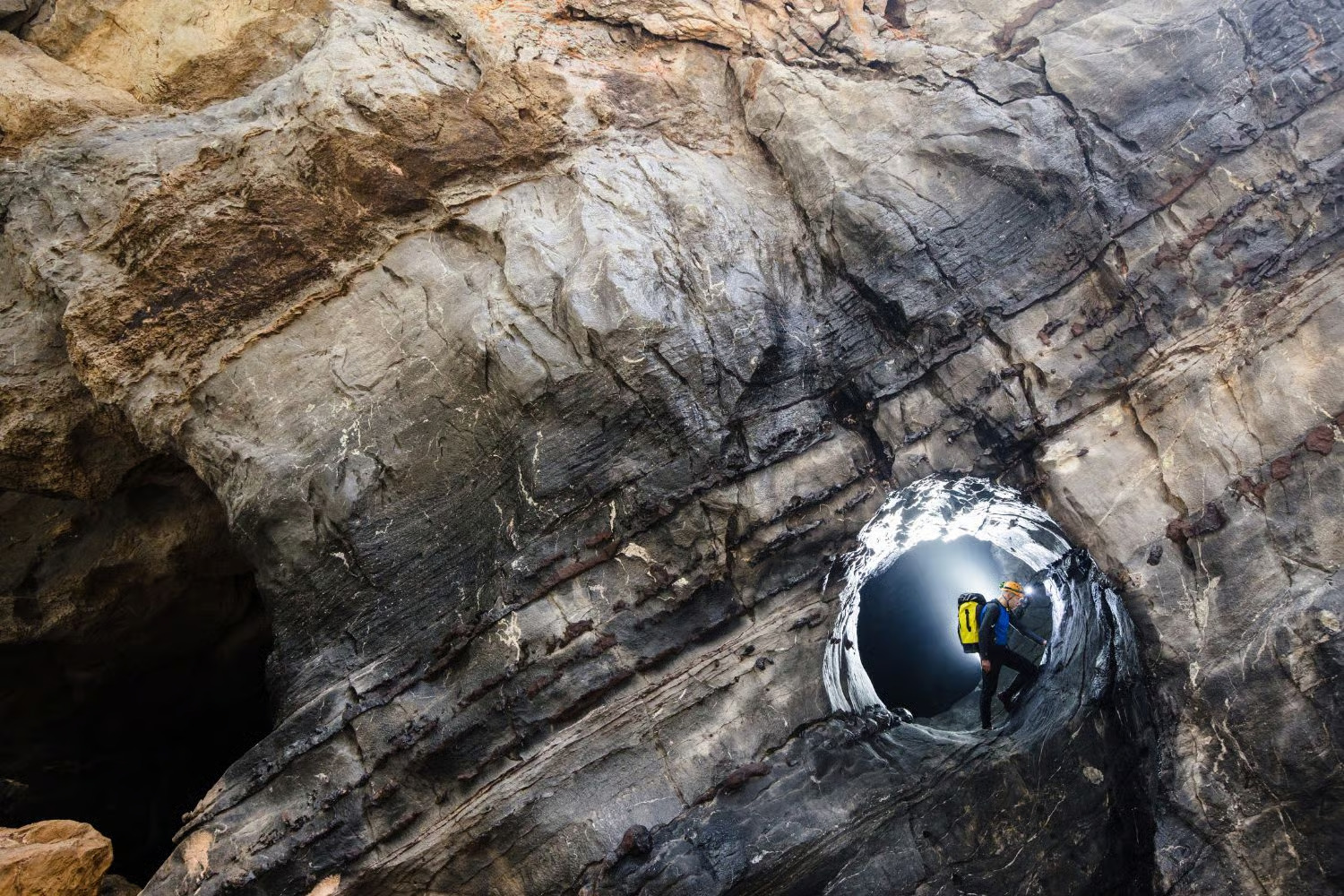
First-time trekkers often believe that carrying more equipment means greater security. Experience teaches the opposite lesson. Every unnecessary kilogram becomes additional fatigue after hours of climbing, descending and river crossings. Your daypack should contain only essentials: water, light snacks, rain protection, personal medication, insect repellent, sunscreen, electronics protected in waterproof bags, and sufficient backup power. Everything else belongs in the porter bag. Traveling light is more than a packing strategy; it is a philosophy. Leadership demands the same discipline. The further we wish to go, the more willing we must become to leave unnecessary burdens behind.
Start Slowly, Finish Strong
One of the most common mistakes made by inexperienced trekkers is trying to keep pace with the strongest member of the group. That usually ends in early exhaustion. Begin slowly. Take shorter steps. Maintain a steady breathing rhythm. Drink small amounts of water every fifteen to twenty minutes instead of waiting until thirst arrives. Rest briefly before reaching complete fatigue rather than after it. Long-distance trekking resembles building a sustainable company far more than running a sprint. Success belongs to those who manage their energy wisely, remain consistent, and understand that endurance is more valuable than speed.
Descending Demands More Skill Than Climbing
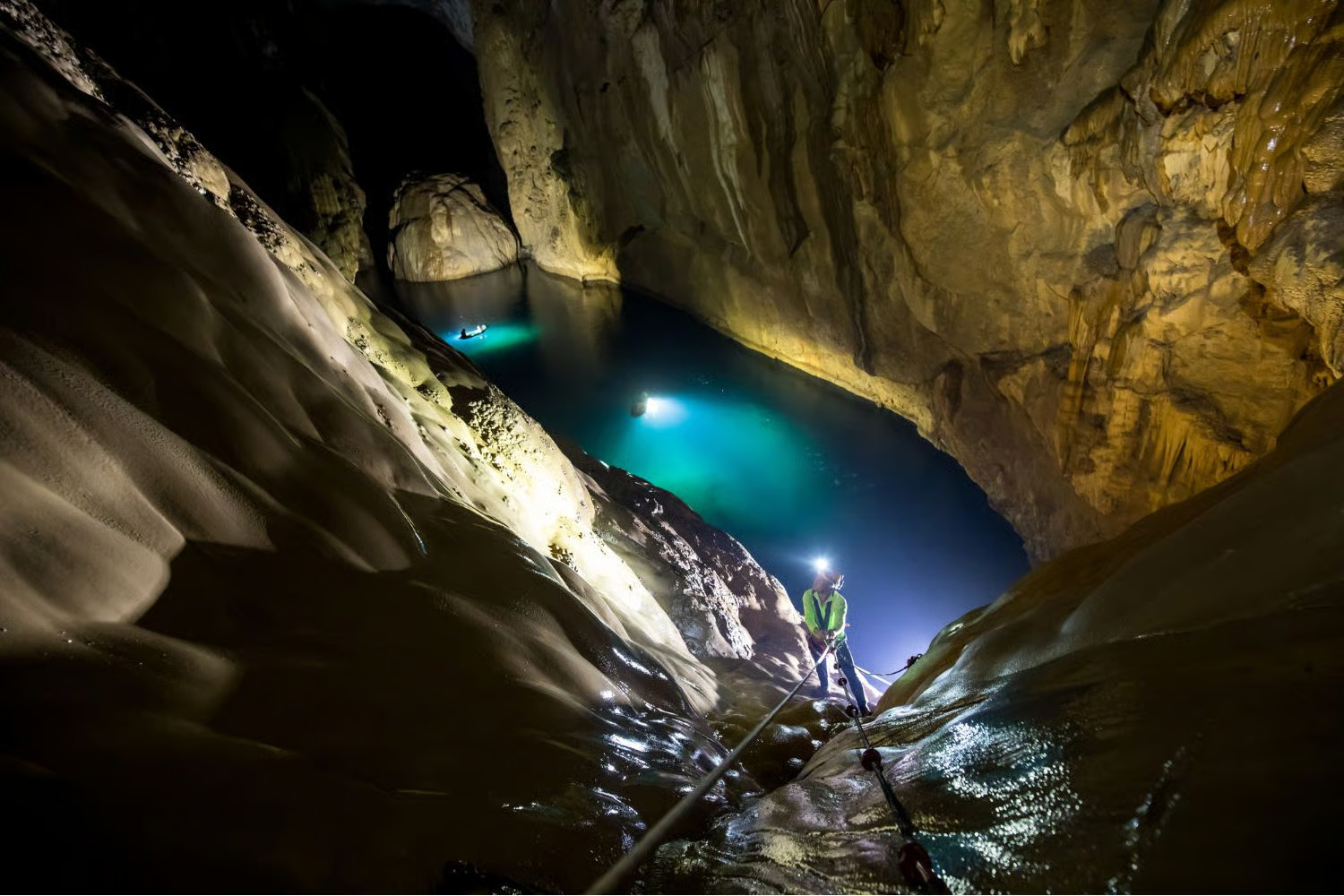
Many people expect uphill climbs to be the greatest challenge. Surprisingly, descending often places greater strain on the knees and muscles, particularly on wet limestone and muddy trails. Keep your knees slightly bent rather than locked, place every foot carefully, and use trekking poles whenever possible to reduce impact. Never jump between rocks simply to save a few seconds. A careful step is always faster than recovering from an unnecessary fall. The same principle applies in leadership. Rapid expansion is exciting, but sustainable progress depends on thoughtful decisions made with balance, patience and control rather than unnecessary haste.
Respect Nature as a Privileged Guest
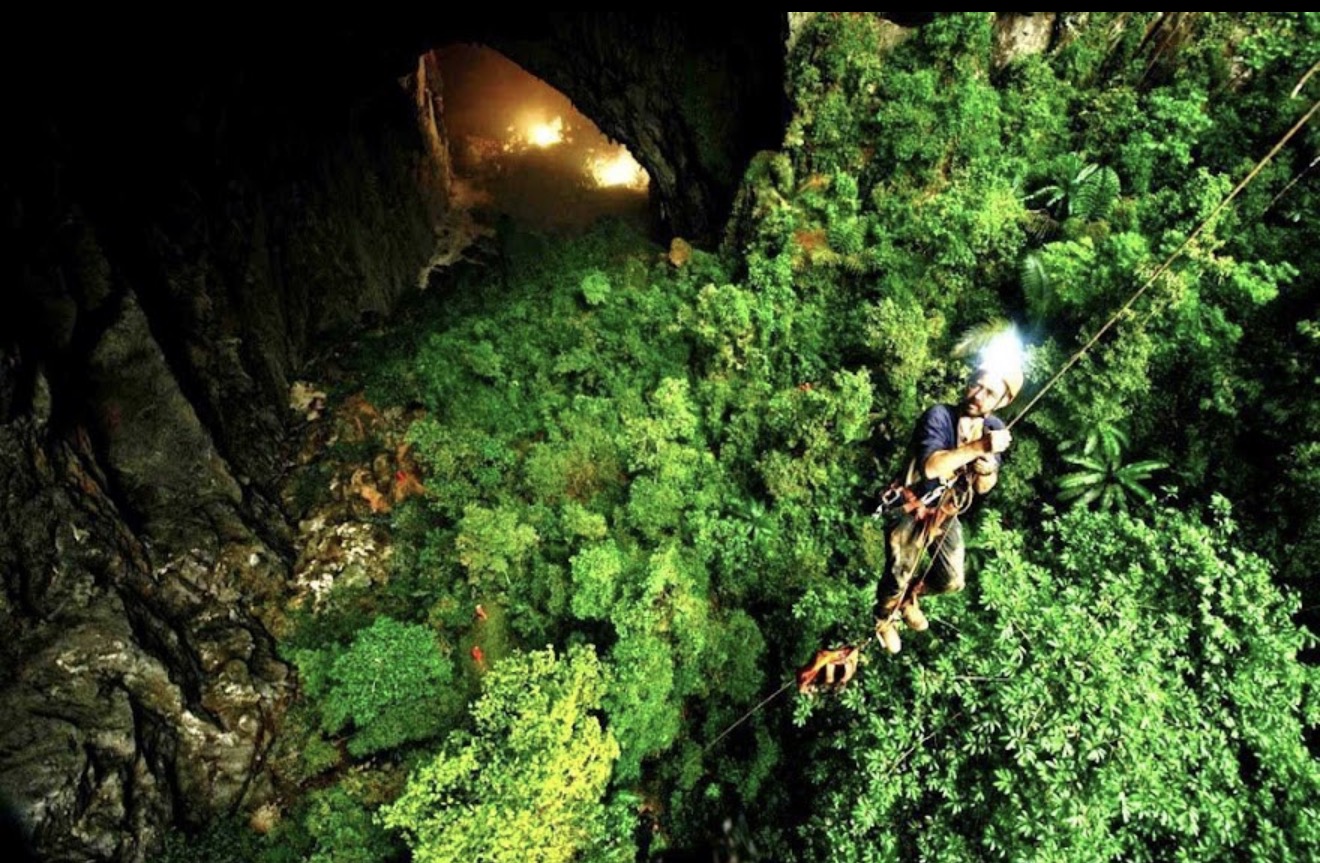
Sơn Đoòng has existed for millions of years without our presence. We enter as temporary guests, not owners. Wear your helmet correctly, remain with the group, follow the designated path, and never touch cave formations unless instructed. Those magnificent stalactites and stalagmites have taken thousands of years to develop. A single careless touch may interrupt a process that nature patiently perfected over centuries. Responsible exploration is measured not by what we discover but by what we leave untouched. The finest explorers return home carrying memories while ensuring that future generations can experience the same sense of wonder.
Small Habits Create Extraordinary Experiences
Some of the most valuable advice is also the simplest. Trim your toenails before departure to reduce discomfort during long descents. Pack one complete set of dry clothing for the campsite. Protect your electronics with waterproof bags. Apply anti-friction cream to your heels before trekking if you are prone to blisters. Eat during scheduled breaks rather than waiting until hunger becomes overwhelming, and drink regularly before dehydration affects your performance. These small habits rarely receive attention, yet together they determine whether your energy remains steady throughout the expedition. Great adventures are rarely defined by dramatic moments alone; they are supported by countless thoughtful decisions.
The Greatest Summit Lies Within
If this is your first Sơn Đoòng expedition, never feel embarrassed about walking near the back of the group. The guides, safety experts and porters have supported thousands of first-time explorers. Their objective is not to see who reaches the finish first, but to ensure that everyone returns safely, confidently and with unforgettable memories. Ultimately, Sơn Đoòng is not a place to conquer nature. It is a place to learn humility before nature, trust your team, and discover strengths you did not know you possessed. In the end, the greatest achievement is not conquering Sơn Đoòng. It is returning home having conquered the limits you once believed defined you.