

A travel expert’s guide to preparing the body, mind and spirit for the world’s largest cave expedition
By Dr. Pham Ha – President & CEO, LuxGroup®
Dr. Pham Ha is scheduled to join the Sơn Đoòng Cave Expedition from 3–8 August 2026, immediately after LuxGroup’s Green Journey company outing in Quảng Bình. Drawing on Oxalis Adventure’s official guidance and more than two decades of experience designing journeys, he shares the preparation principles every first-time explorer should understand.
The expedition does not begin at the cave entrance. It begins with the choices we make before taking the first step.
Preparation Is the First Stage of the Expedition
Many people imagine that the Sơn Đoòng adventure begins when the vehicle leaves Phong Nha and enters the forest. In reality, the journey begins weeks earlier—with physical training, a health review, disciplined sleep, suitable nutrition and careful equipment testing. Sơn Đoòng is classified at Oxalis Adventure’s highest level of difficulty and requires sustained effort across steep, wet and technically demanding terrain. Preparation is therefore not a formality; it is the foundation of both safety and enjoyment. A well-prepared explorer can look up, take in the scale of the landscape and appreciate the experience. An unprepared explorer may spend the same journey focused only on fatigue. The difference is rarely courage. It is preparation.
Enter as an Explorer—and as a Guardian
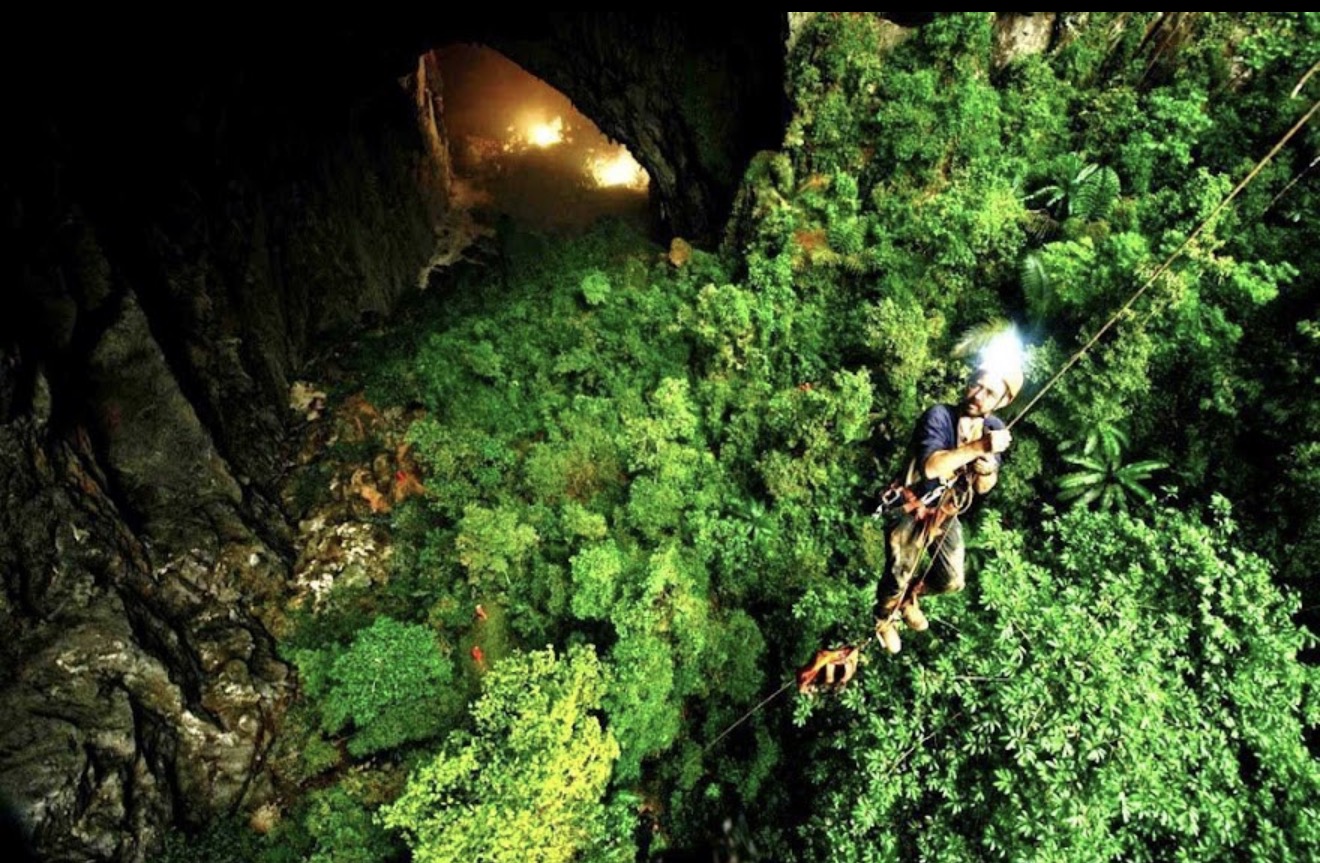
Sơn Đoòng is not an ordinary sightseeing tour. It is an expedition through remote rainforest, underground rivers, giant limestone chambers and one of the most fragile natural environments on Earth. Every participant enters with two responsibilities: to explore and to protect. We are not owners of this place, nor are we conquerors arriving to leave our mark. We are temporary guests in a natural world shaped across millions of years. That understanding changes the way we walk, observe and behave. Safety, discipline, teamwork and conservation are not restrictions placed upon the experience; they are what make the experience possible. The first equipment every explorer should carry is therefore not a helmet or a harness, but humility.
Know the Physical Reality Before You Commit
The expedition covers approximately 25 kilometres of forest and mountain terrain, around 50 river and stream crossings, eight kilometres of cave exploration and three nights of underground camping. It also includes a steep descent into the cave and the final 90-metre ascent at the Great Wall of Vietnam. These numbers reveal an important truth: Sơn Đoòng is not defined by one dramatic challenge but by repeated physical effort over several consecutive days. Endurance matters more than explosive strength. Stable knees, strong legs, cardiovascular fitness and the ability to recover overnight are essential. Any illness, injury, allergy, medication or physical limitation should be disclosed honestly. Concealing discomfort does not demonstrate bravery; it creates unnecessary risk for both the individual and the expedition team.
Treat the Safety Briefing as Day One
The compulsory pre-expedition briefing is not an administrative meeting. It is the first operational stage of the journey. Participants must bring their trekking shoes and personal backpacks so the Oxalis team can assess grip, fit, capacity and overall suitability. Guides explain the route, technical terrain, conservation principles, equipment, emergency procedures and individual responsibilities. Attendance is mandatory, and a participant who misses the session may be refused access without a refund. My briefing is scheduled for 6:00 p.m. on 3 August 2026, following pick-up from Commander Lodge. The correct mindset is simple: listen carefully, ask questions and never allow personal confidence to replace professional guidance. In an unfamiliar environment, experience is always the most valuable form of protection.
Choose Footwear Before Choosing Technology
For a first-time explorer, the most important personal equipment is not a camera, smartwatch or phone. It is footwear. The ideal choice is a lightweight, closed trekking or trail-running shoe with reliable grip, quick drainage and proven comfort on long walks. Heavy mountaineering boots are unnecessary and can become uncomfortable after repeated river crossings. Most importantly, never arrive with brand-new shoes. Wear them on several training walks, test them on inclines and confirm that they remain comfortable when wet. Thick, calf-length trekking socks, blister patches and anti-friction balm can prevent small irritations from becoming painful obstacles. Technology may help record the expedition, but good footwear is what allows the explorer to complete and enjoy it.
Pack Light, but Never Carelessly
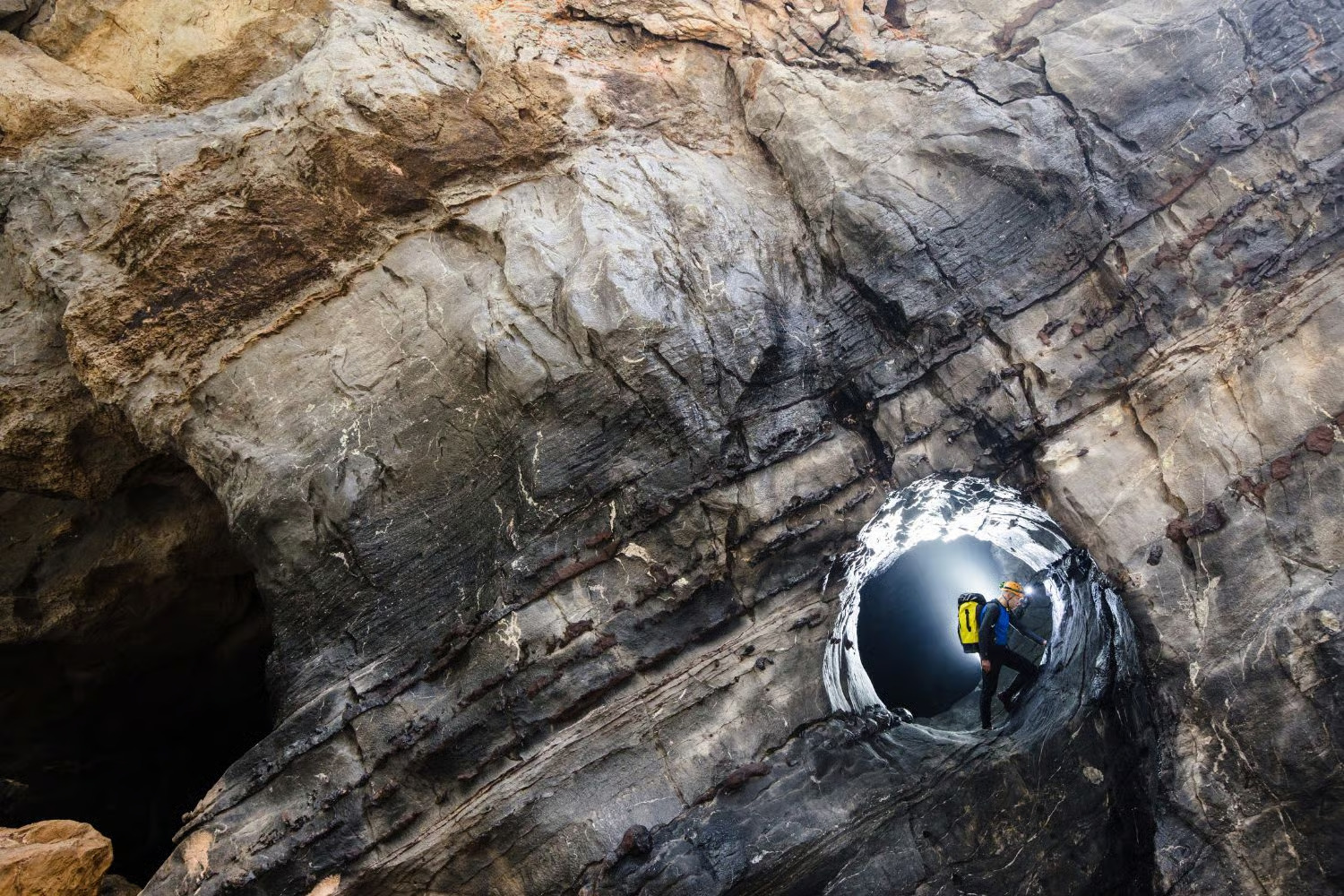
Oxalis divides each participant’s luggage into three parts. A 15-litre semi-dry porter bag, limited to seven kilograms, carries clothing and personal items needed at the campsites. A personal backpack of around 20–25 litres holds the essentials required throughout the trekking day. Unnecessary belongings and valuables may remain in secure storage. The daypack should contain water, light snacks, personal medication, rain protection, sunscreen, insect repellent, electrolytes, a small towel, power banks and waterproof protection for electronics. Every item should justify its weight. After hours of climbing, descending and crossing rivers, unnecessary possessions become unnecessary fatigue. Packing light is not about sacrificing comfort. It is about preserving energy for what matters most: safety, awareness and the experience itself.
Walk with Rhythm, Not Ego
The first day is often when inexperienced trekkers make their greatest mistake: they try to match the fastest or strongest person in the group. Sơn Đoòng is not a race. Begin slowly, shorten the stride, maintain an even breathing rhythm and drink small quantities of water regularly. Brief rests should happen before exhaustion, not after it. Descents deserve particular care because they place sustained pressure on the knees and thigh muscles. Keep the knees slightly bent, place each foot deliberately and use trekking poles where appropriate. During river crossings, follow the exact line chosen by the guides and never attempt a faster independent route. A disciplined explorer manages energy across the entire expedition. Speed may impress for an hour; rhythm sustains the journey.
Trust the Expedition System
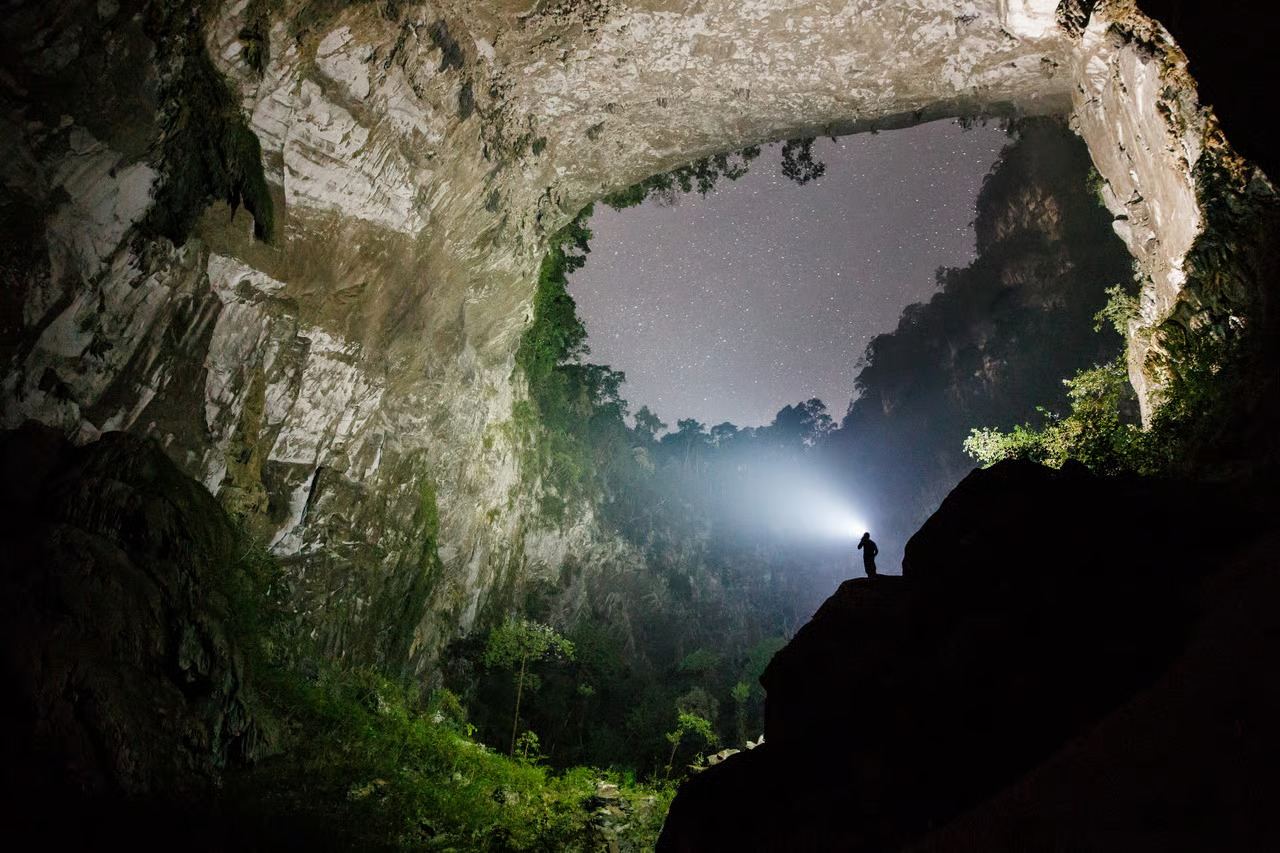
A group of only ten explorers is supported by a considerably larger team of guides, cave experts, safety assistants, rangers, chefs and porters. Each person has a defined role, and the system works because everyone respects that expertise. Participants must remain with the group, keep an appropriate distance, follow designated routes and move only when instructed in technical sections. No one should detach from ropes, bypass safety systems, enter restricted areas or continue after being asked to stop. The expedition leader may withdraw a guest who is unable to continue safely or who disregards conservation requirements. That decision is not a judgment of character; it is responsible risk management. Inside Sơn Đoòng, trust is not a soft value. Trust is part of the safety equipment.
Discipline Is the Highest Form of Respect
Inside the cave, every action matters. Helmets, harnesses, gloves and ropes must be used exactly as instructed. Before entering a technical section, secure cameras and loose items, maintain three points of contact while climbing and wait until the person ahead has cleared the route. The Great Wall of Vietnam includes an approximately 18-metre ladder followed by more than 70 metres of steep ascent using specialised protective equipment. Beyond personal safety lies the equally important responsibility of conservation. Do not touch, move or remove cave formations. Use only designated campsites, toilets and washing areas. Everything brought into the cave must be carried out again. The finest explorer leaves with memories while leaving the natural world unchanged.
Accept Digital Silence as a Rare Luxury
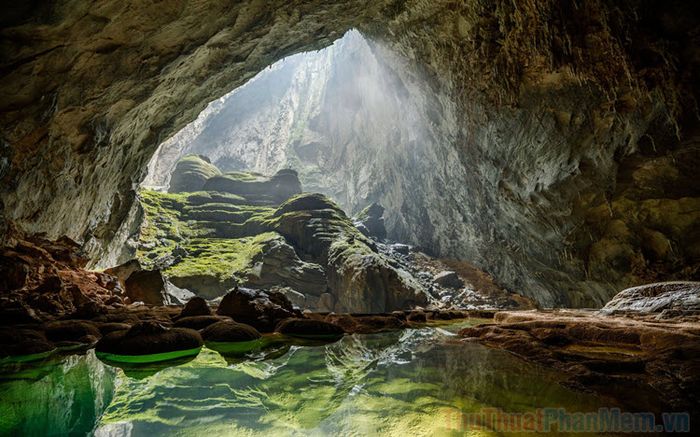
There is no electricity, mobile signal or internet during the expedition. Phones become cameras, while digital communication gives way to direct conversation, observation and reflection. Bring sufficient power banks, spare batteries, memory cards and waterproof protection, but never allow photography to compromise safety. Stop moving before taking a photograph, and secure all equipment before crossing water or entering technical terrain. Drones are prohibited for safety, security and defence reasons. At first, complete disconnection may feel uncomfortable to travellers accustomed to constant notifications. Soon, however, it becomes one of the rarest luxuries of modern life: uninterrupted presence. In the silence of Sơn Đoòng, we begin to hear the underground river, our companions—and perhaps ourselves—with unusual clarity.
Honesty Is the Beginning of Safety
Any chest pain, severe breathlessness, dizziness, allergic reaction, persistent vomiting, unusual weakness, bleeding or significant injury must be reported immediately. Smaller issues also deserve attention. Blisters, cramps and early fatigue are far easier to manage before they become disabling. The expedition team carries first-aid supplies, rescue equipment and a satellite telephone, but every safety system depends upon participants communicating accurately. Trying to appear strong by hiding symptoms places the entire group at risk. True courage is not silent endurance. It is the willingness to speak early, accept support and make a responsible decision. Every successful expedition is a collective achievement, and each explorer has a duty not only to protect themselves but also to protect those travelling beside them.
Return with More Than Photographs
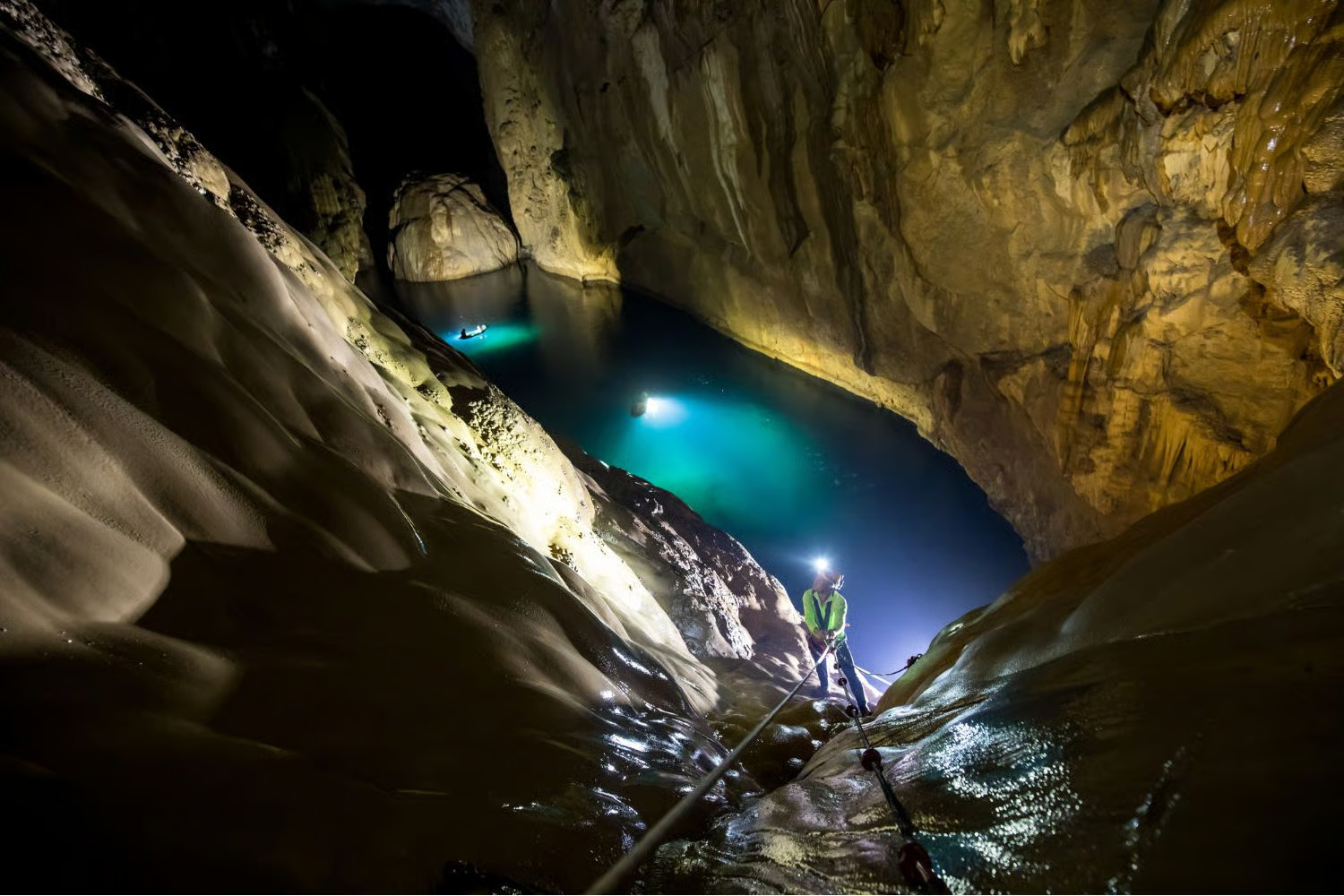
After leaving the cave, the body requires hydration, rest, gentle stretching, foot care and time to recover. Yet the deeper recovery is mental. A first-time explorer should pause to consider what the journey revealed about patience, vulnerability, trust and teamwork. Sơn Đoòng is often described using the language of conquest, but that description misses its greatest lesson. The cave does not need to be conquered. It asks to be entered responsibly, experienced attentively and left with gratitude. The finest outcome is not completing the route faster than someone else. It is returning home wiser, humbler and more respectful of the natural world—and more grateful to the guides, safety teams, rangers, chefs and porters who made the journey possible.
The First-Time Explorer’s Five Golden Rules
Prepare before you arrive. Fitness, sleep, hydration and tested equipment shape the entire experience.
Stay with the team. No photograph, shortcut or personal ambition is worth unnecessary risk.
Listen before moving. Your guides can see dangers and changing conditions that you may not yet recognise.
Speak before a small problem grows. Early communication protects you and everyone travelling with you.
Leave the cave unchanged. Carry home photographs, memories, humility and gratitude—nothing more.
The Journey Within
My Sơn Đoòng expedition follows immediately after LuxGroup’s Green Journey in Quảng Bình—a company outing dedicated to connection, responsibility and sustainable travel. That sequence feels meaningful. One journey strengthens the connection between colleagues; the next tests the connection between the individual, the team and nature.
I am not entering Sơn Đoòng to prove that I am stronger than the cave.
No person could be.
I am entering to learn what happens when preparation meets uncertainty, when individual ambition gives way to collective trust, and when modern life becomes silent enough for nature to lead.
The true achievement will not be saying that I conquered Sơn Đoòng. It will be returning with greater humility, deeper gratitude and a stronger understanding of the person I still have the opportunity to become.