

An insight from LuxGroup’s transition toward a House of Small Giants
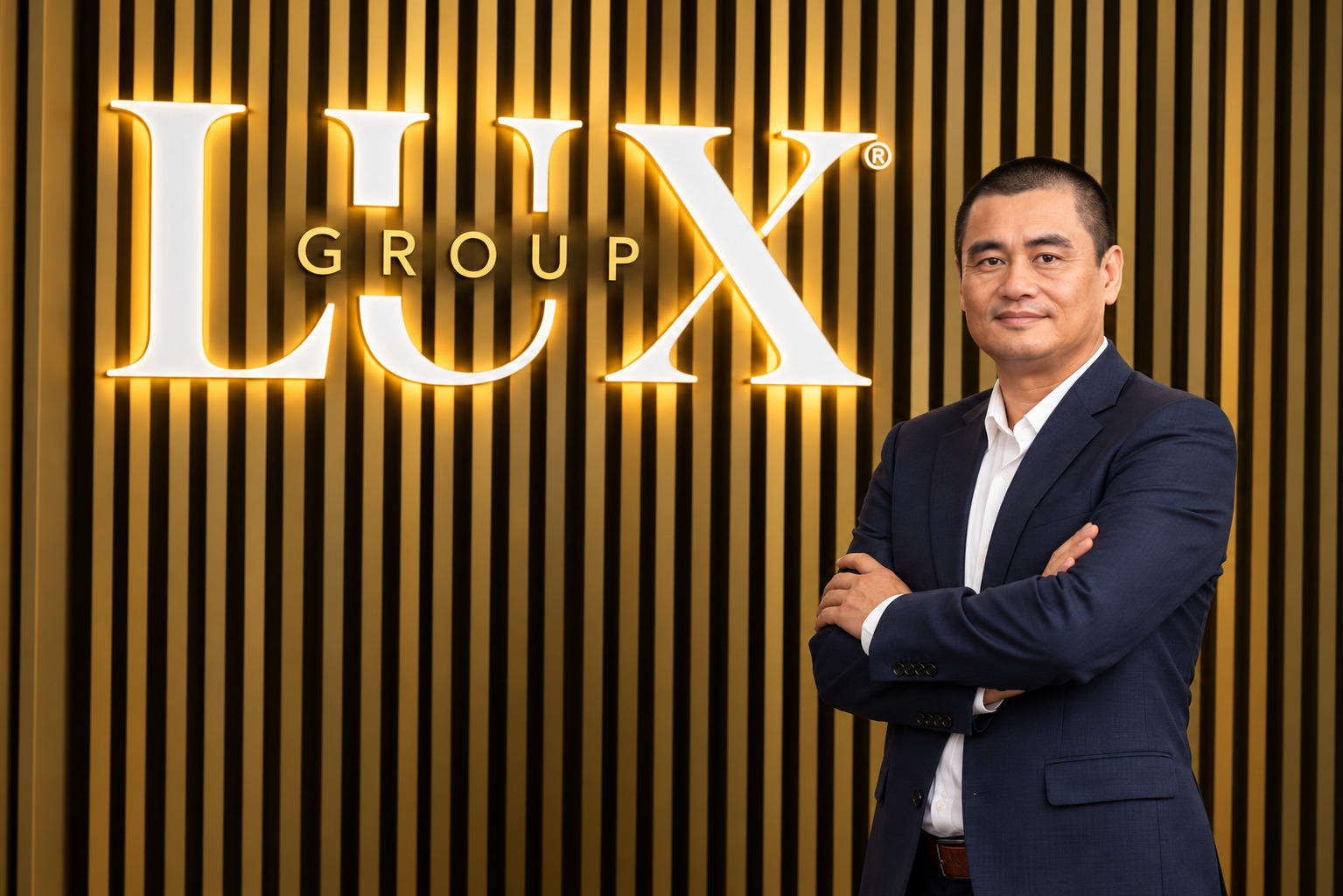
Dr. Phạm Hà, Founding President & CEO, LuxGroup®
The call came because a manager needed a decision. The question itself was ordinary. What unsettled me was that it had reached me at all. Across a group that spans travel, boutique cruises, hospitality, dining, transport, and culture, people had learned to bring consequential choices back to the founder. I had helped create that habit by being available, caring deeply, and often knowing the answer. Each intervention could solve a problem that day. Together, they could become a constraint on the company we wanted to build.
LuxGroup began in 2005 as an entrepreneurial travel business. The founder’s judgment helped it grow into a collection of distinct ventures with a shared belief that luxury is culture and business should deliver happiness. But the capabilities that start a company are not automatically the capabilities that allow several businesses to grow responsibly at once. Our ambition is to become a “House of Small Giants”: entrepreneurial companies with enough independence to serve their customers and enough common purpose to act as one group.
This is the central insight of our holding-company transition: Delegation is the design of a decision system that people trust enough to use when the founder is absent.
That insight sounds simple. Its consequences are demanding.
Founder dependence can hide inside good intentions
When a founder makes a quick decision, colleagues may experience it as support. A customer receives an answer, a manager avoids an error, and the brand appears protected. But the organization also learns something: the safest path is to ask the founder. Over time, this can make capable leaders cautious and the founder indispensable in situations that should belong to them.
The transition is therefore more than an exercise in drawing a new organization chart. It changes an informal bargain. Managers must accept more authority and more accountability. Group leaders must distinguish the risks that require central oversight from choices best made close to guests and employees. I must learn to let a decision stand even when I might have made it differently.
None of those changes can be announced into existence. A manager who is told to “act like an owner” but has no clear spending limit or access to information has received a slogan, not authority. A group that grants autonomy without reviewing capital commitments and brand obligations has created a different problem. The operating model must specify who decides, with what information, within which boundaries, and how the result will be reviewed.
Three kinds of leadership are needed
The first role is to make the problem discussable. At LuxGroup, each business can describe a different frustration: slow approvals, uncertain budgets, inconsistent coordination, or the burden of protecting a group-wide promise. If we simply collect complaints, the effort will fragment. We need a shared question: How can each venture make timely decisions while preserving financial discipline, cultural coherence, and responsible growth?
The second role is to design a workable response. A holding structure can look elegant in a presentation and fail in a dining room, on a vessel, or in a destination office. We are considering three practical routines: a delegation matrix that identifies decision rights and limits; an innovation and investment review for material commitments; and a learning and performance review that examines results as well as lessons. These are design choices to test, not evidence that the transition is complete.
The third role is to coordinate adoption. Different businesses need different examples and perhaps different thresholds. A cruise captain’s operational judgment is not the same as a restaurant manager’s procurement decision. Yet the message must remain coherent: authority to act, responsibility for results, and shared commitments to people, culture, and capital. Tailoring the method should not dilute the purpose.
Start with the people who are unsure
A founder can easily gather people who already agree with the vision. Their support matters, but it may say little about whether the model will work. The more revealing conversations are with managers who see both its promise and its risks. Some may welcome faster decisions but fear being blamed for mistakes. Others may support entrepreneurship while worrying that central controls will quietly return. Finance and group leaders may fear that local autonomy will weaken capital discipline or brand consistency.
These concerns should shape the design. Before assigning a new right, we can ask the person expected to exercise it what information, budget, training, and escalation route they need. Before retaining a right at group level, we can ask what risk justifies the delay. We should also hear from front-line colleagues, whose experience can reveal whether a new process helps customers and employees or merely moves paperwork from one desk to another.
Trust grows when people can see that their input changes the model. That is why a pilot is more useful than a grand announcement. A small number of business units can test defined decisions, record exceptions, and surface unintended consequences before we widen the approach.

Measure independence without rewarding recklessness
If we measure only revenue growth or the number of decisions delegated, we may mistake movement for progress. A more useful review would ask several questions together: Which decisions were made at the intended level? How long did they take? How often did they return to the founder, and why? Were financial limits respected? Did the choice improve the guest and employee experience? What was learned when it did not?
These questions matter because every metric can distort behavior. A leader rewarded only for speed may skip consultation. One rewarded only for avoiding mistakes may send every decision upward. A financial target without attention to people and cultural heritage may undermine what makes a LuxGroup business distinctive. We need both evidence and a candid conversation about what the evidence misses.
The review should lead to action. If a decision repeatedly returns to me, we should investigate whether the boundary is unclear, the manager lacks support, or I am taking back authority. If a committee adds little value, it should be redesigned or removed. Governance earns its place by improving judgment, not by becoming another layer of work.
Keep the mission larger than the structure
There is a final risk: building a holding company can become an end in itself. We could add boards, reports, and titles while the original dependency remains. We could also celebrate the expansion of the group while neglecting its responsibility to employees, communities, guests, and the places in which it operates.
The “House of Small Giants” is a way to make each venture stronger and the whole group more resilient. Some businesses may need more freedom sooner; others may need coaching and tighter limits for a period. Those adaptations are acceptable if they advance the mission. Founder dependence disguised as governance, autonomy without accountability, and growth that erodes our cultural or environmental commitments are not.
I have spent years building businesses through personal conviction. The next test is whether that conviction can be translated into decisions others can make well. If a manager can act thoughtfully without waiting for me, explain the choice, learn from its result, and still feel part of LuxGroup, we will have made progress. The founder’s most important decision may be to create the conditions under which that call no longer needs to come.