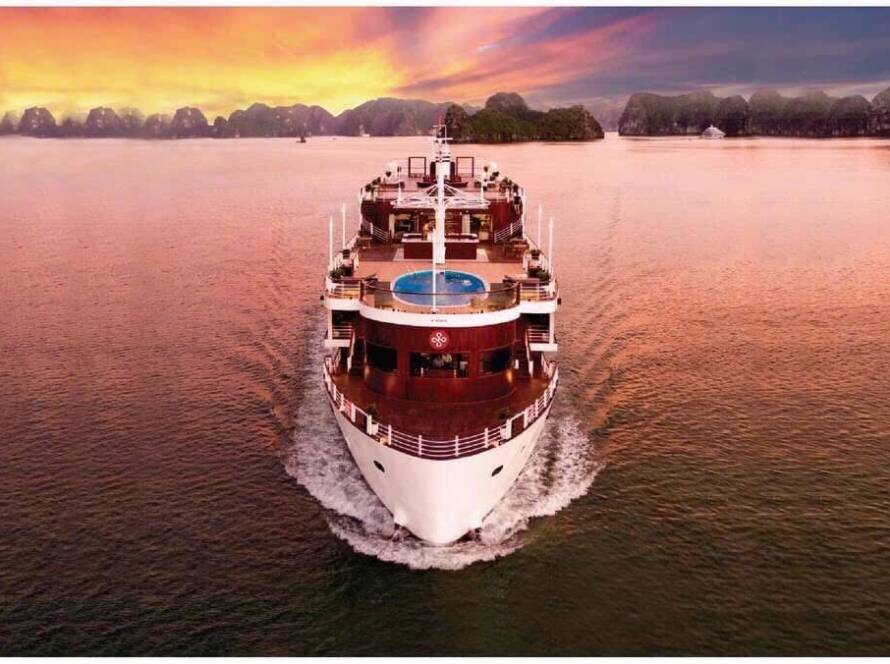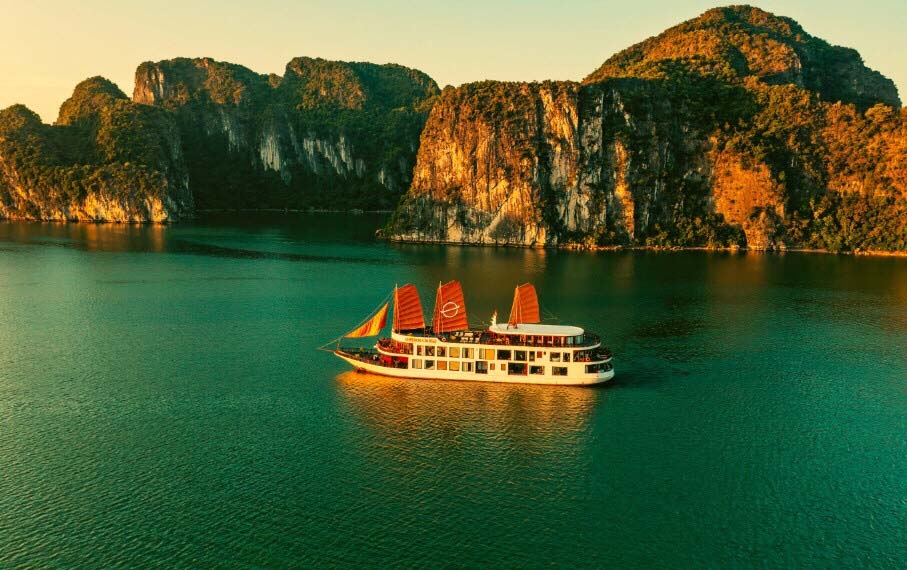


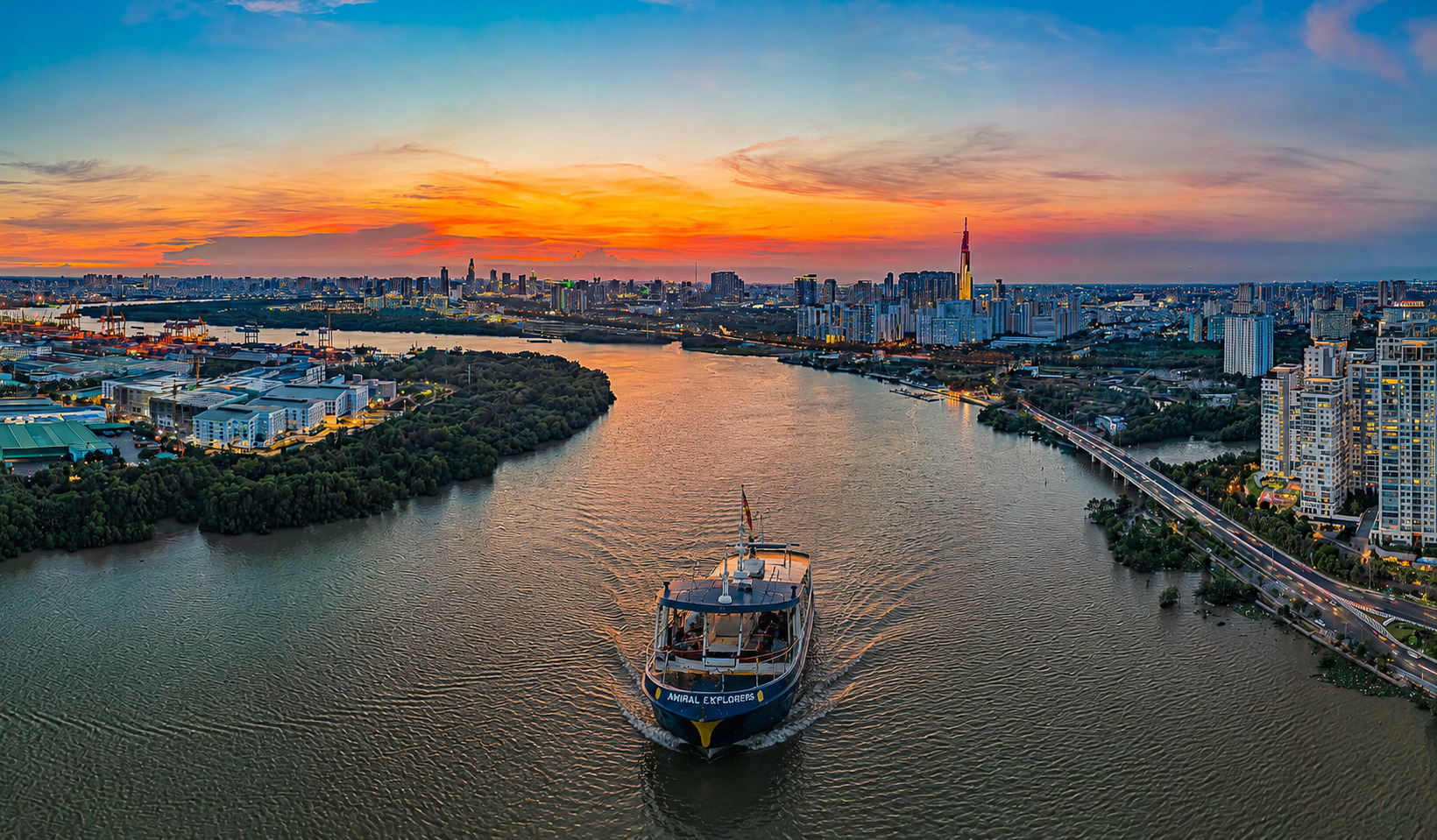
From Amiral Latouche-Tréville to Amiral Cruises for Presidents®
Marking 50 Years of Saigon Becoming Ho Chi Minh City (July 2, 1976 – July 2, 2026)
In 2026, Ho Chi Minh City marks a significant milestone: the 50th anniversary of the official renaming of Saigon–Gia Định to Ho Chi Minh City on July 2, 1976.
Half a century later, the city has transformed into Vietnam’s economic powerhouse, a center of innovation, entrepreneurship, culture, and international connectivity. Towering skyscrapers, modern infrastructure, dynamic urban districts, and a thriving business ecosystem define the city today.
Yet amid this remarkable transformation, one witness has remained constant.
The Saigon River.
Flowing quietly through the heart of the city, the river has witnessed more than three centuries of history—from the arrival of settlers in the South, to the rise of a major trading port, through years of conflict and reconstruction, and into the emergence of one of Asia’s most dynamic urban centers.
If the city’s boulevards tell the story of the present, the river tells the story of time.
The River That Built a City
Many of the world’s great cities were shaped by rivers.
Paris grew along the Seine.
London flourished on the Thames.
Budapest developed around the Danube.
Bangkok thrives on the Chao Phraya.
And Ho Chi Minh City was built beside the Saigon River.
Long before modern highways and airports connected Southern Vietnam, the river served as a natural transportation corridor linking the region to the sea and to international trade networks. It was the artery through which people, goods, ideas, and opportunities flowed.
The Saigon River played a crucial role in the emergence of Saigon–Cholon as one of Southeast Asia’s most important commercial centers during the nineteenth and twentieth centuries. Warehouses, shipyards, trading houses, and markets lined its banks, creating a vibrant urban economy that connected Vietnam with the wider world.
Even today, many of the city’s most iconic landmarks—from Nhà Rồng Wharf and Bạch Đằng to Ba Son and Thủ Thiêm—remain inseparable from the river.
Viewed from the water, Ho Chi Minh City reveals itself as a living history book written along both riverbanks.
Nhà Rồng Wharf: Where History Set Sail
Among the many landmarks connected to the Saigon River, Nhà Rồng Wharf occupies a unique place in Vietnam’s collective memory.
On June 5, 1911, a young Nguyễn Tất Thành boarded the French steamship Amiral Latouche-Tréville from this very wharf, beginning a journey that would take him around the world and eventually transform the course of Vietnamese history.
At the time, few could have imagined the significance of that departure.
What began as the voyage of a young man seeking a path for his country would evolve into a defining chapter in Vietnam’s twentieth-century story.
Today, more than a century later, Nhà Rồng Wharf continues to stand along the river as both a historical monument and a symbol of aspiration.
The river remembers that moment.
And it continues to connect generations through the stories it carries.
Seeing the City from the Water
There are many ways to experience Ho Chi Minh City.
From bustling avenues.
From rooftop bars.
From modern skyscrapers.
Yet perhaps the most revealing perspective comes from the river itself.
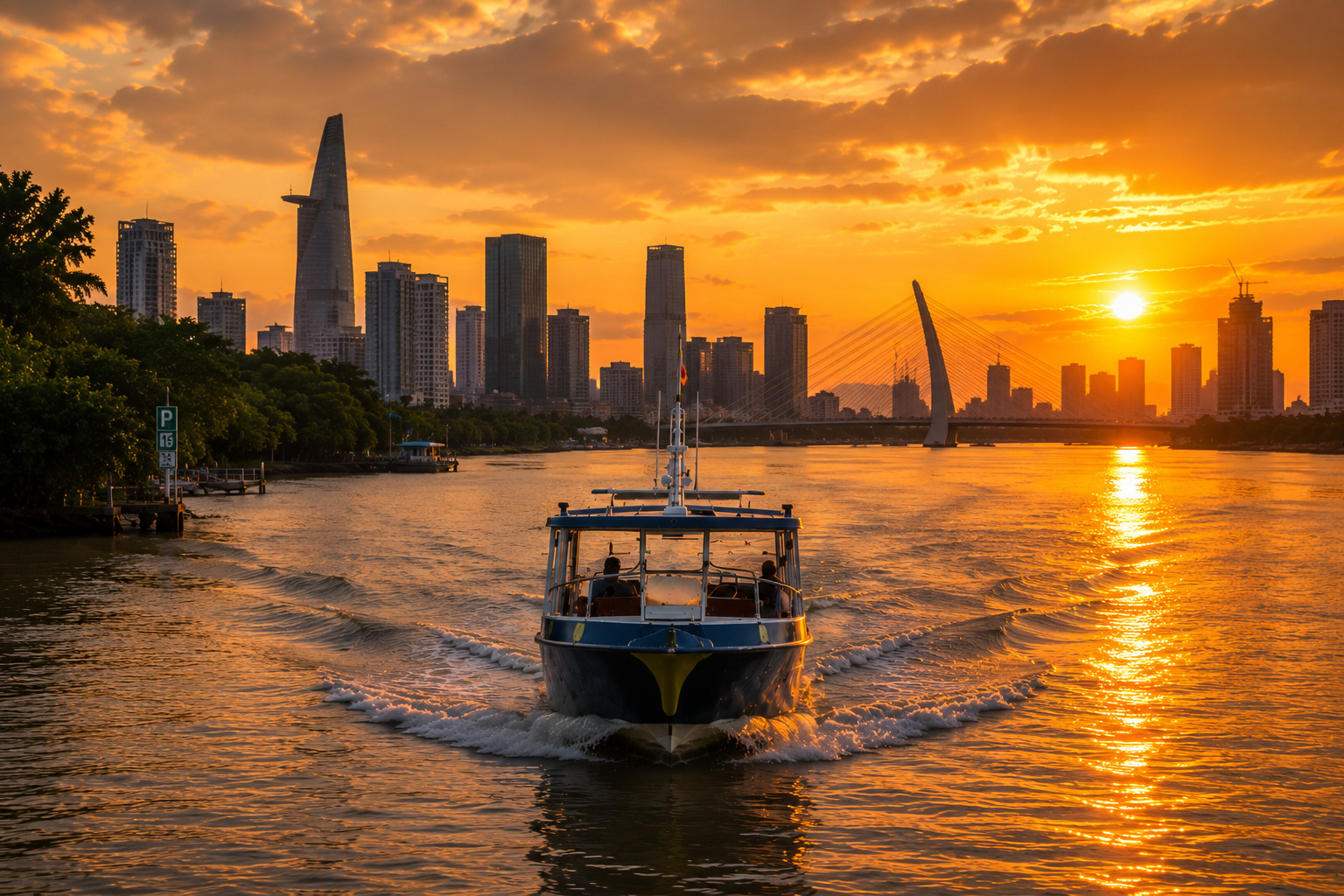
As a boat departs Nhà Rồng Wharf, the city unfolds like a cinematic panorama.
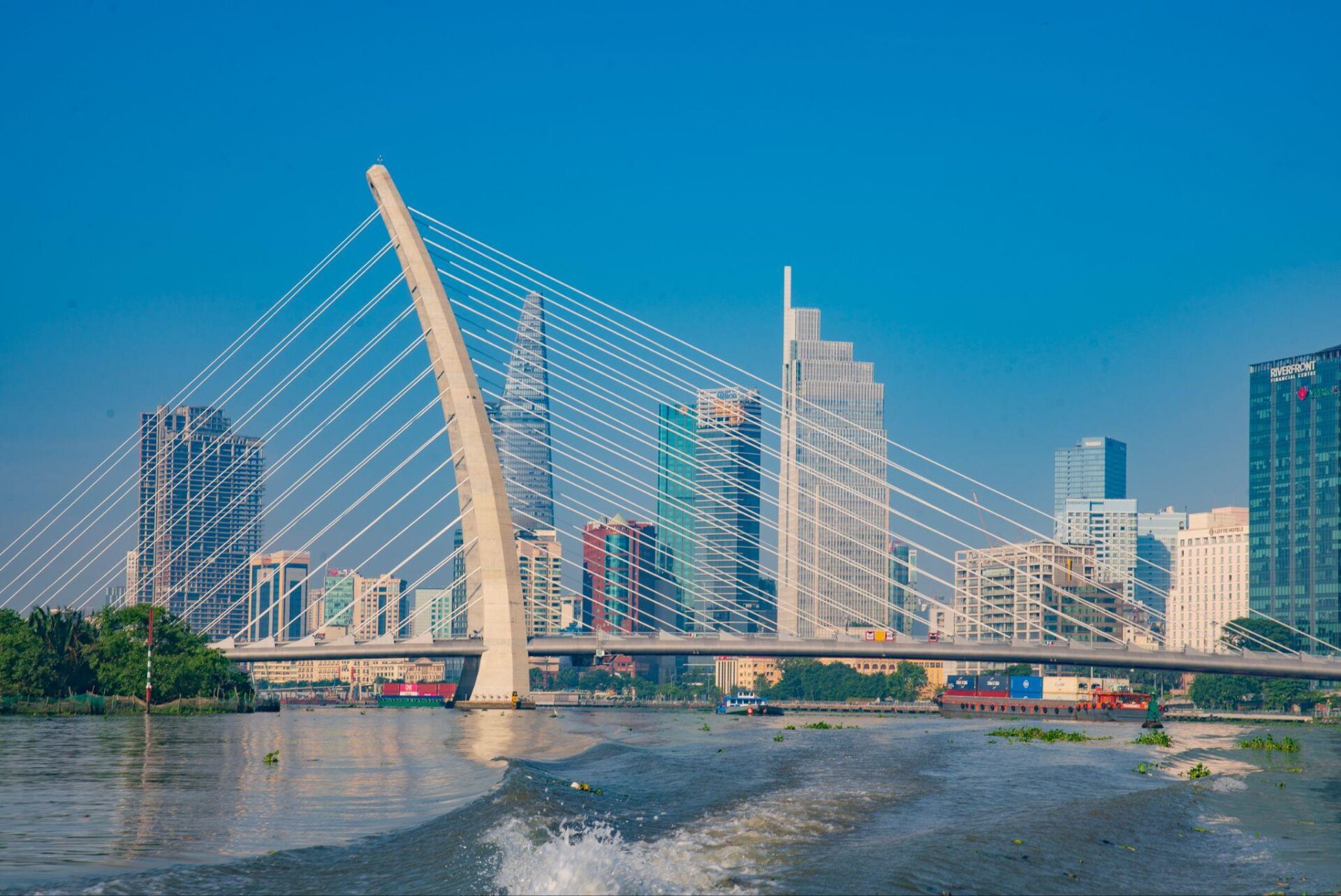
The glass towers of District 1 reflect on the water.
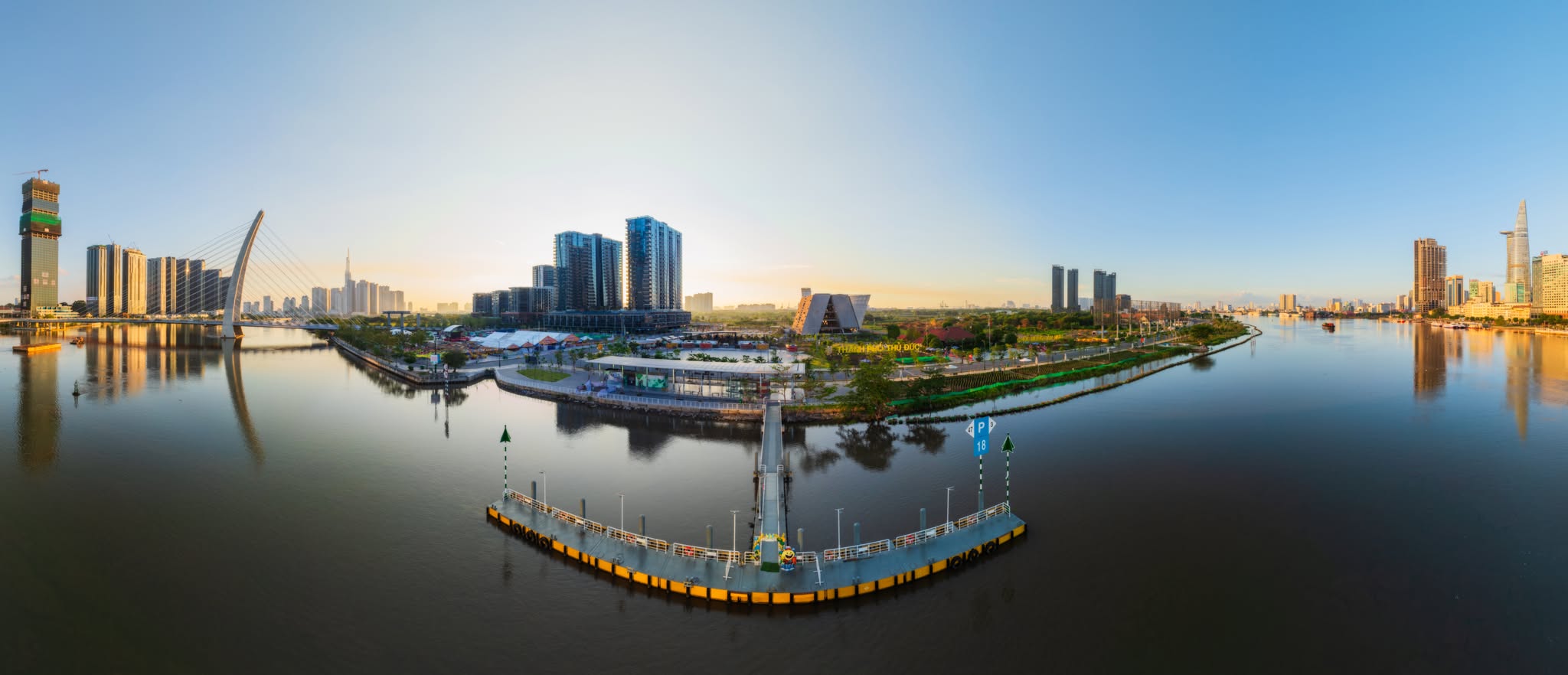
Across the river, Thủ Thiêm rises as a symbol of the city’s future.
New bridges connect emerging districts and economic corridors.
Further upstream, the skyline gradually gives way to riverside communities, tropical gardens, traditional villages, and landscapes that preserve the slower rhythms of Southern Vietnam.
Within a few hours, travelers can journey through centuries of history and multiple layers of urban transformation.
The river offers not merely a route through the city.
It offers a deeper understanding of how the city came to be.
From Nhà Rồng to Củ Chi: A Journey Through Memory
If Nhà Rồng symbolizes departure and aspiration, Củ Chi represents resilience and determination.
Today, traveling from downtown Ho Chi Minh City to the Cu Chi Tunnels by river has become one of the most compelling cultural experiences in Southern Vietnam.
The journey reveals the intimate relationship between waterways, communities, and history.
Arriving at Củ Chi from the river provides a perspective rarely experienced by those traveling by road. The river once served as a strategic route linking communities and supporting life throughout the region.
Meanwhile, the famous tunnel network stands as a testament to ingenuity, adaptability, and perseverance under extraordinary circumstances.
Together, the river and the tunnels tell a story not only of conflict, but of human resilience.
It is a journey through memory.
A journey through identity.
A journey through the soul of Vietnam.
From Amiral Latouche-Tréville to Amiral Cruises for Presidents®
More than a century after Nguyễn Tất Thành boarded the Amiral Latouche-Tréville, the name “Amiral” returns to the Saigon River in a new context.
Not as a vessel of departure.
But as a vessel of discovery.
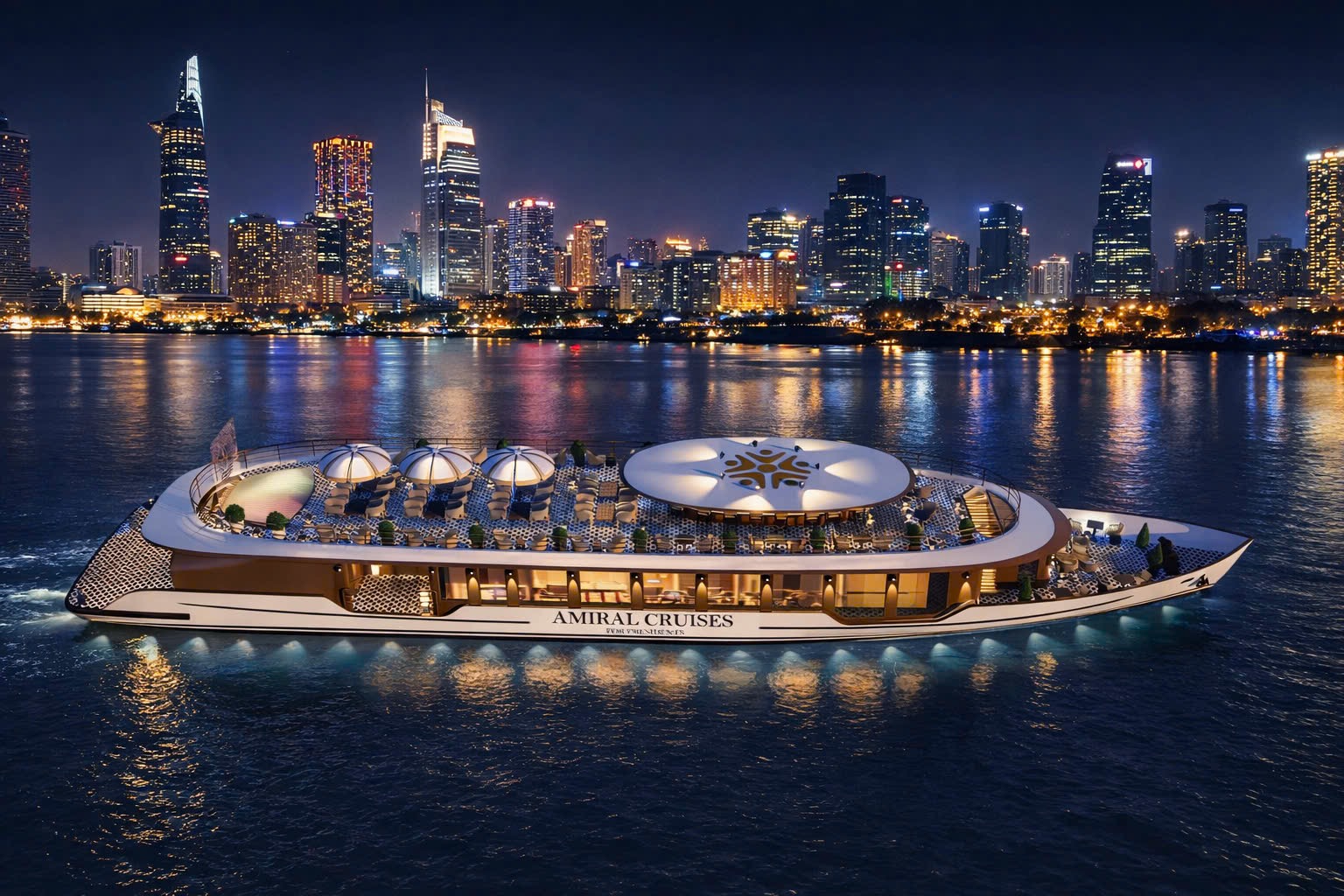
Inspired by the river’s historic role in shaping Southern Vietnam, Amiral Cruises for Presidents® seeks to transform river travel into a cultural experience—one that connects guests with history, heritage, people, and place.
From Nhà Rồng Wharf to Cu Chi.
From the traditional pottery village of Lai Thieu in Bình Dương to the UNESCO-listed Cần Giờ Biosphere Reserve.
Each voyage reveals a different chapter of the city’s story.
The goal is not simply transportation.
The goal is interpretation.
Storytelling.
Connection.
In an age when travelers increasingly seek meaningful experiences rather than passive sightseeing, rivers offer something unique: the ability to connect landscapes, cultures, and histories into a single narrative.
The River as a Strategic Asset
Around the world, major cities have successfully transformed their rivers into economic, cultural, and tourism assets.
The Seine defines Paris.
The Thames shapes London.
The Chao Phraya enriches Bangkok.
The Hudson contributes to New York.
Ho Chi Minh City possesses a similar opportunity.
As the city continues investing in tourism, the nighttime economy, culture, and experiential travel, the Saigon River has the potential to become one of its most valuable strategic assets.
Not merely as infrastructure.
But as identity.
Not merely as transportation.
But as experience.
Not merely as geography.
But as narrative.
The future competitiveness of cities increasingly depends on their ability to tell distinctive stories. Few assets offer Ho Chi Minh City a stronger storytelling platform than the river that helped create it.
The River Still Tells Its Story
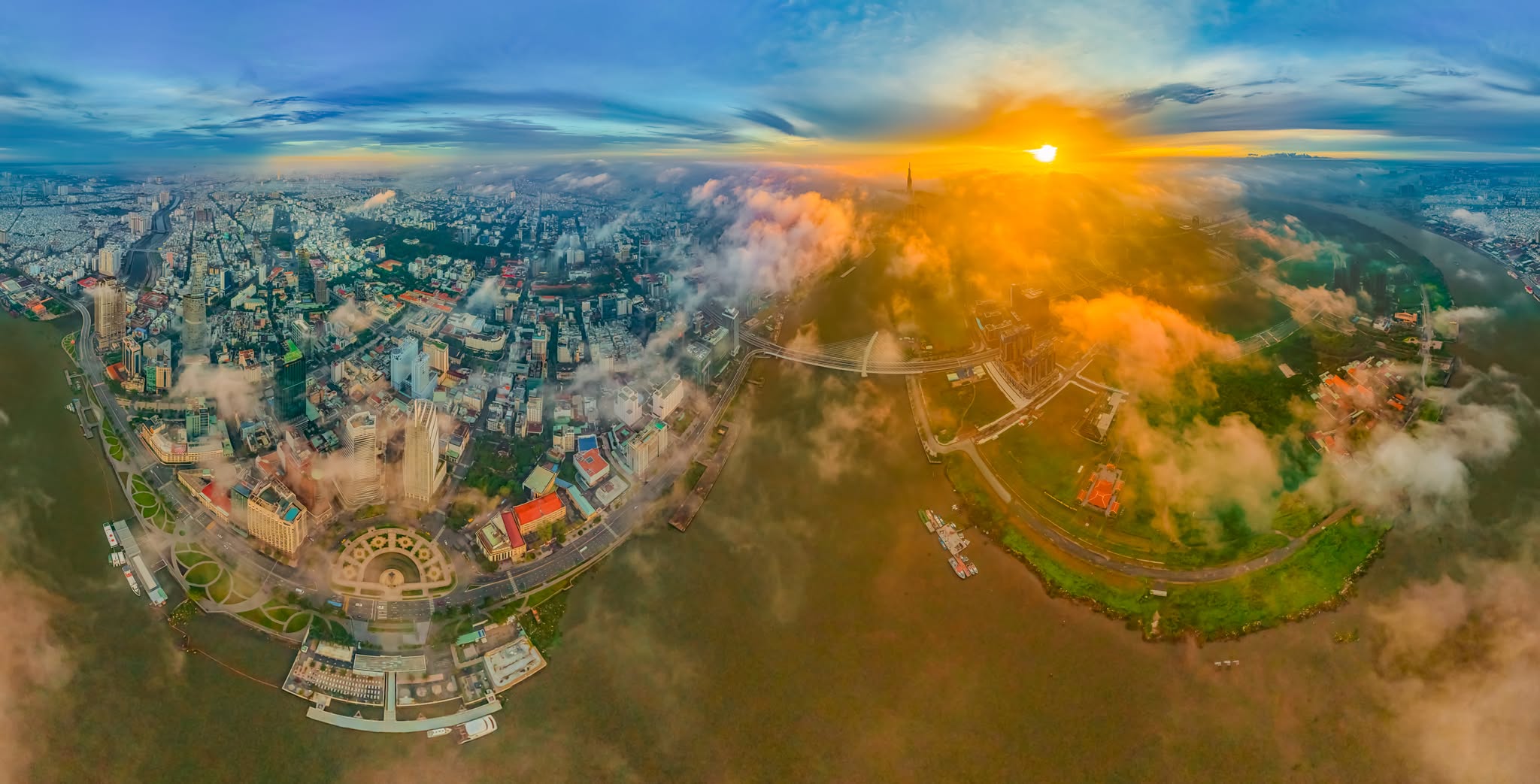
Fifty years after Saigon officially became Ho Chi Minh City, the skyline has changed dramatically.
New districts have emerged.
Bridges span both banks.
Modern developments continue to reshape the urban landscape.
Yet the river continues to flow.
It continues to connect past and present.
It continues to carry memories of settlers, merchants, workers, soldiers, entrepreneurs, and dreamers who helped build the city.
Today, as new river journeys depart from Nhà Rồng Wharf, the Saigon River continues to tell new stories.
Stories of innovation.
Stories of resilience.
Stories of transformation.
And stories of a city that embraces the future without forgetting its past.
Because sometimes, the best way to understand a city is not to begin with its skyscrapers.
It is to begin with the river that made the city possible.
From Amiral Latouche-Tréville in 1911 to Amiral Cruises for Presidents® in the twenty-first century, the Saigon River remains a witness, a connector, and a storyteller.
And its story is still being written.
Amiral Cruises for Presidents®
A Voyage Through Time™
The River Remembers™