

Building LuxGroup® as a House of Luxury Brands and Small Giants
By Dr. Pham Ha
Founder & CEO, LuxGroup®
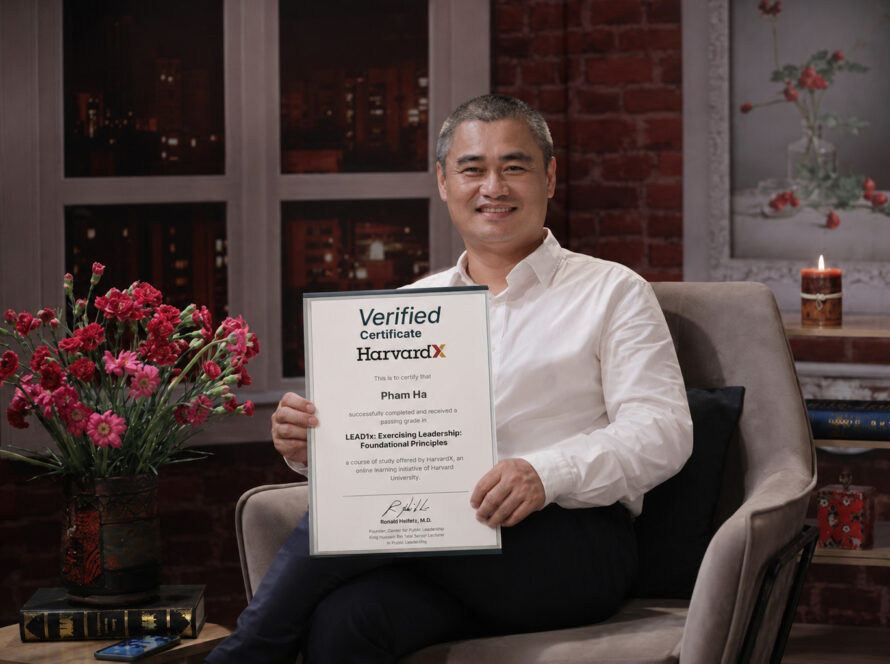
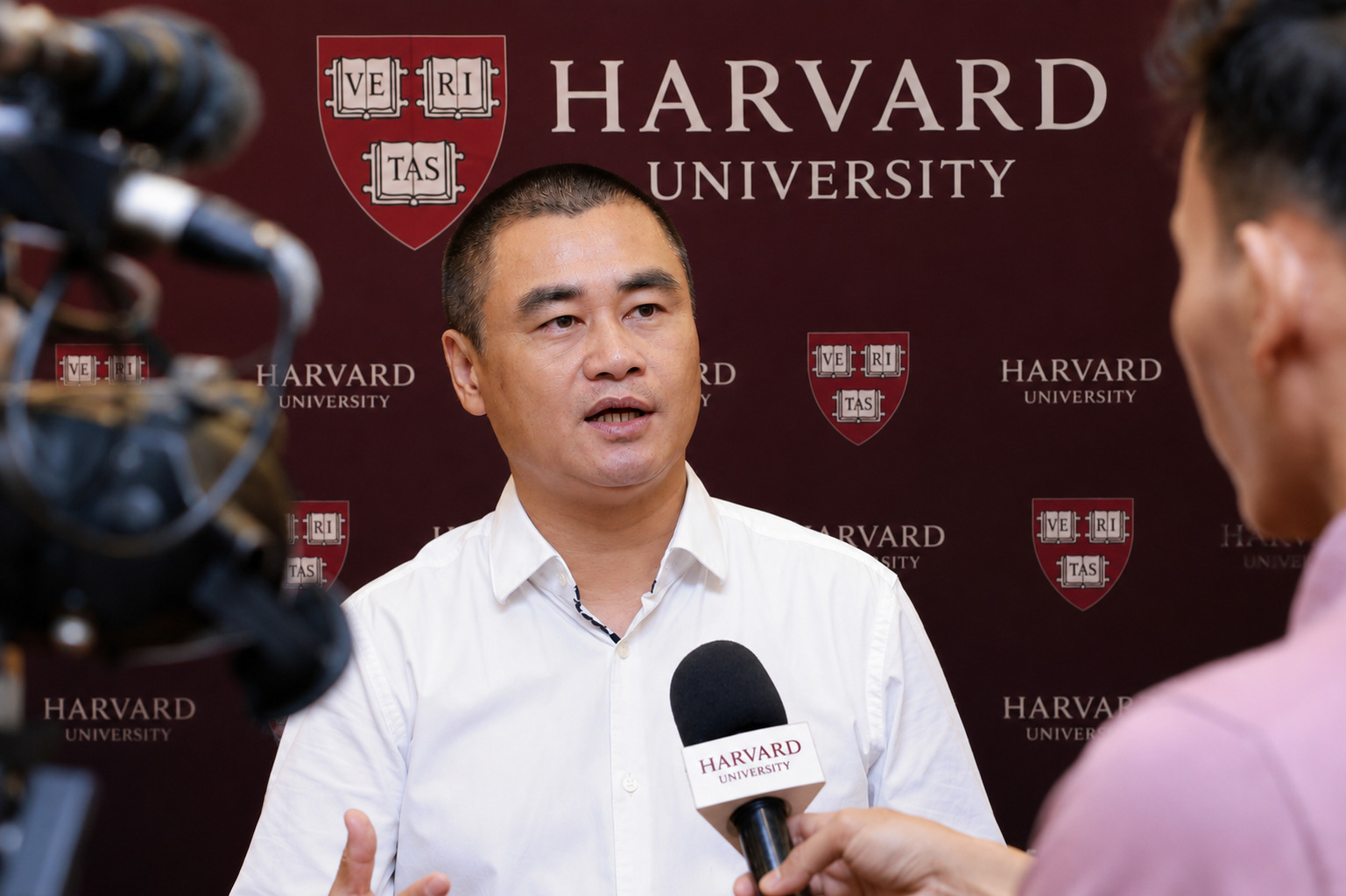
For me, HarvardX is more than an online learning platform—it is part of my practical MBA journey. Every course is an opportunity to reflect on real business challenges, test ideas against global case studies, and immediately apply new thinking to LuxGroup®. Among the courses I have completed, Entrepreneurship in Emerging Economies, taught by Professor Tarun Khanna of Harvard Business School, has been one of the most relevant. Rather than focusing solely on startups or venture capital, it explores how entrepreneurs create sustainable businesses by solving institutional problems that constrain growth and social progress.
Seeing Opportunities Where Others See Constraints
The central idea of the course is the concept of institutional voids—gaps in infrastructure, trust, information, logistics, regulation, financing, or market institutions. While many people see these gaps as barriers, entrepreneurs see them as opportunities to create lasting value. Looking back over the past two decades, I realized that this philosophy has quietly guided the evolution of LuxGroup®. We entered sectors that many considered too fragmented or too difficult, believing that meaningful experiences and innovative business models could create value where traditional approaches had failed.
The LuxGroup® Journey
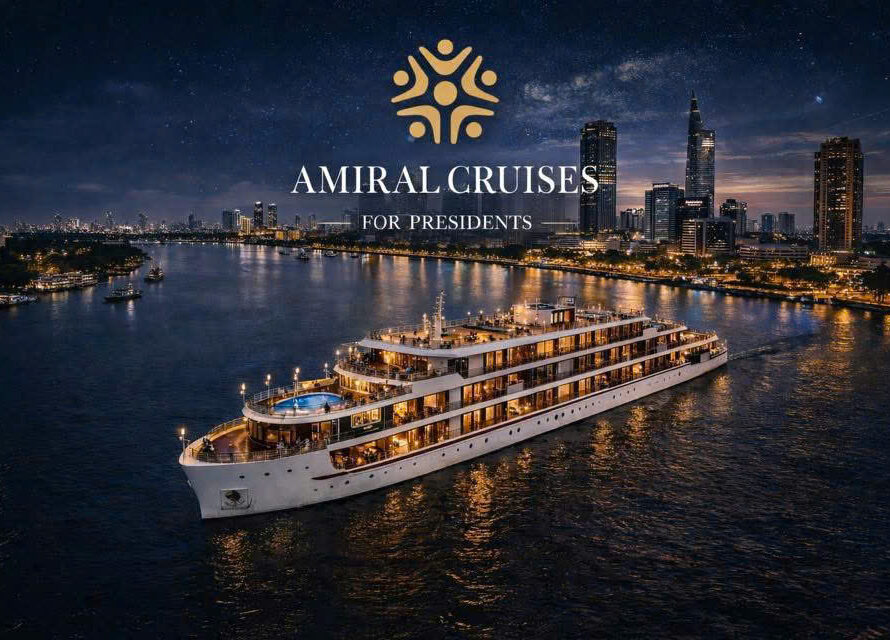
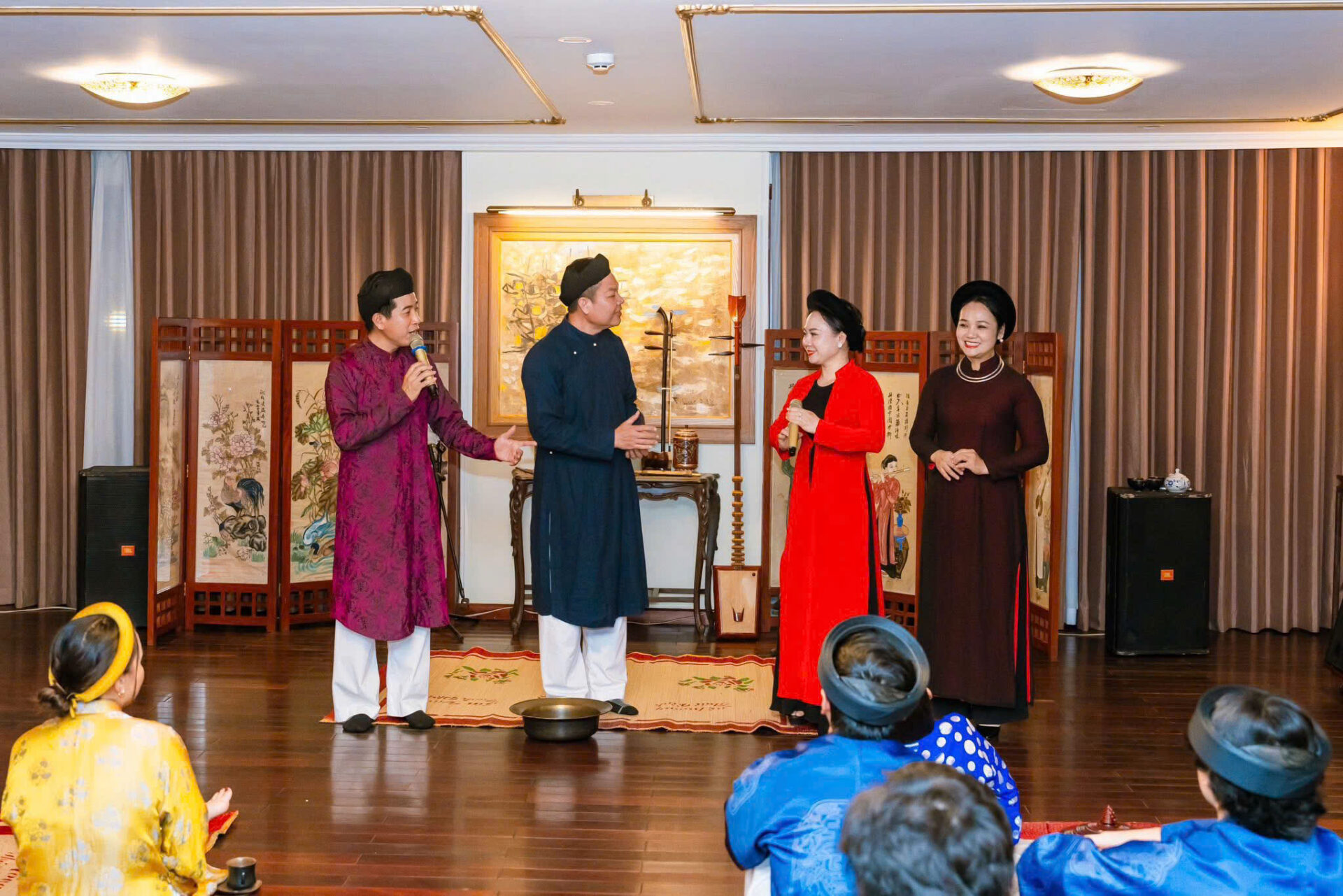
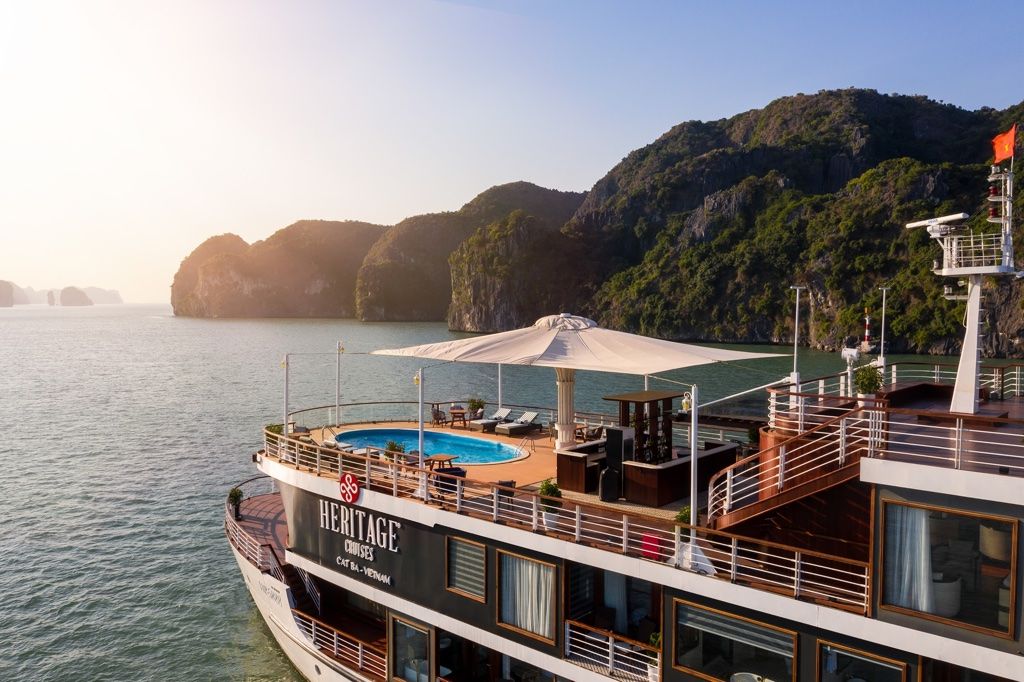
When LuxGroup® was founded, Vietnam’s luxury tourism industry was still in its infancy. River cruising was underdeveloped, heritage storytelling was fragmented, and luxury was often associated with expensive facilities rather than authentic experiences. Instead of competing on price or scale, we focused on Vietnamese culture, personalized hospitality, and meaningful storytelling. Today, Heritage Cruises®, Emperor Cruises®, and Amiral Cruises® are united by one simple philosophy: Luxury is Culture®. The course confirmed that successful entrepreneurs rarely begin with products—they begin by understanding context and identifying institutional voids that deserve to be filled.
Learning from Global Case Studies
The Harvard case studies reinforced this perspective. Alibaba connected isolated rural communities to global markets through Taobao. Narayana Health transformed affordable cardiac care through economies of scale. Amul empowered millions of small dairy farmers by building trust, branding, and cooperative infrastructure. BRAC demonstrated that entrepreneurship could become a powerful engine for social development rather than dependence on charity. Although these organizations operate in different industries, they share one principle: they solved structural problems before building successful businesses.
Entrepreneurship Beyond Profit
One lesson that resonated deeply with me is that entrepreneurship should never be measured solely by financial performance. Great organizations create shared value while remaining commercially sustainable. They improve people’s lives, strengthen communities, and generate long-term economic impact. This aligns closely with LuxGroup’s mission of Delivering Happiness®. Every journey should benefit not only our guests but also local communities, artisans, suppliers, cultural heritage, and the natural environment. Luxury tourism should become an engine for conservation, cultural preservation, and inclusive economic development.
Innovation Is More Than Technology
The course also challenged a common misconception that innovation always requires new technology. Many breakthrough innovations are, in fact, innovations in business models. Narayana Health reduced the cost of heart surgery without compromising quality. Farmacias Similares combined affordable generic medicines with neighborhood clinics. Amul created trust between millions of producers and consumers through cooperative organization. Likewise, LuxGroup’s innovations have not been about building the largest ships, but about designing meaningful experiences through storytelling, heritage interpretation, personalized hospitality, and emotional connections with Vietnam’s culture.
Building a House of Luxury Brands
Another concept that continually came to mind was the philosophy of Small Giants. Rather than pursuing unlimited expansion, enduring companies build strong cultures, clear values, customer intimacy, and purposeful leadership. LuxGroup® has never aspired to become Vietnam’s largest tourism company. Our ambition is to become one of the most respected—a House of Luxury Brands where each brand maintains its own identity while sharing common values of authenticity, sustainability, happiness, cultural pride, and continuous innovation. Like Amul, we believe enduring brands are built on trust rather than advertising alone.
Vietnam Waterways® and the Next Opportunity
The course strengthened my confidence in our long-term vision for Vietnam Waterways®. Vietnam possesses extraordinary rivers, coastlines, heritage sites, and local communities, yet institutional voids remain in marina infrastructure, destination management, heritage interpretation, and waterway tourism integration. Rather than seeing these gaps as limitations, we view them as opportunities. Amiral Cruises® is therefore much more than a cruise company; it is part of a broader effort to connect travelers, communities, governments, cultural heritage, and local businesses into a sustainable ecosystem that creates shared value for everyone involved.
Lifelong Learning, Lifelong Leadership
Perhaps the greatest takeaway from this Harvard journey is that leadership begins with continuous learning. Markets evolve, technologies change, consumer expectations shift, and new institutional voids constantly emerge. The responsibility of leaders is not merely to predict the future but to ask better questions: Which problems remain unsolved? Who remains underserved? How can innovation generate both commercial success and public value? These questions are far more important than simply asking what product to launch next.
Looking Forward
As I continue my practical MBA journey through HarvardX, I become increasingly convinced that Vietnam’s greatest opportunities will not come from copying developed economies. They will come from understanding our own context, respecting our cultural identity, collaborating across sectors, and designing solutions for Vietnam’s unique institutional realities. At LuxGroup®, we will continue building world-class experiences inspired by Vietnamese heritage, because luxury today is no longer defined by exclusivity alone. Luxury is purpose. Luxury is culture. Luxury is creating experiences that enrich both travelers and society. That is the entrepreneurial journey we proudly pursue every day.