

In the age of the knowledge economy, value is no longer defined primarily by natural resources or physical infrastructure. It is increasingly shaped by narrative, identity, and the ability to transform culture into experience. As global consumers shift from material acquisition to meaning-driven consumption, heritage is emerging not as a relic of the past—but as strategic capital for the future.
In Vietnam, LuxGroup® stands at the forefront of this transformation, pioneering a model that integrates cultural heritage into high-value tourism and the broader creative economy.
From Hard Assets to Soft Power
For decades, Vietnam’s tourism growth was fueled by natural landscapes and cost competitiveness. But as global competition intensifies and travelers become more discerning, those advantages alone are no longer sufficient.
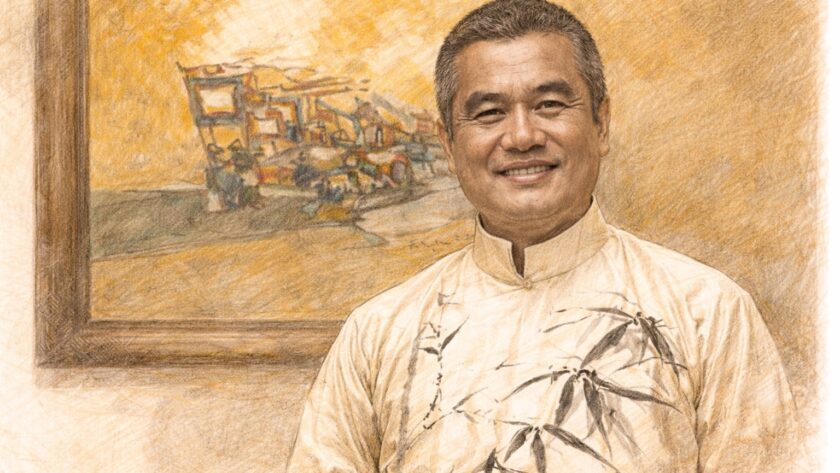
Dr. Pham Ha, Founding President & CEO of LuxGroup®, frames the challenge differently:
“If natural resources are a gift of geography, cultural heritage is our endogenous capital. Long-term competitiveness depends on how intelligently and responsibly we transform that capital into economic value.”
This philosophy has guided LuxGroup® over the past two decades. Rather than competing on volume, the company chose to develop a high-end, culture-driven tourism model—one that treats heritage not as decoration, but as a core economic driver.
Storytelling Tourism: Designing Emotional Journeys
At the heart of LuxGroup’s strategy is what could be described as “heritage storytelling tourism.” Each product is conceived as a cultural stage where history, art, and place converge.
Across its ecosystem—including Heritage Cruises®, Emperor Cruises®, and the strategic flagship project Amiral Cruises for Presidents®—heritage is embedded into every layer of the guest experience:
- Interior design inspired by Indochine aesthetics and Vietnamese artistic traditions.
- Culinary programs that reinterpret regional and imperial gastronomy.
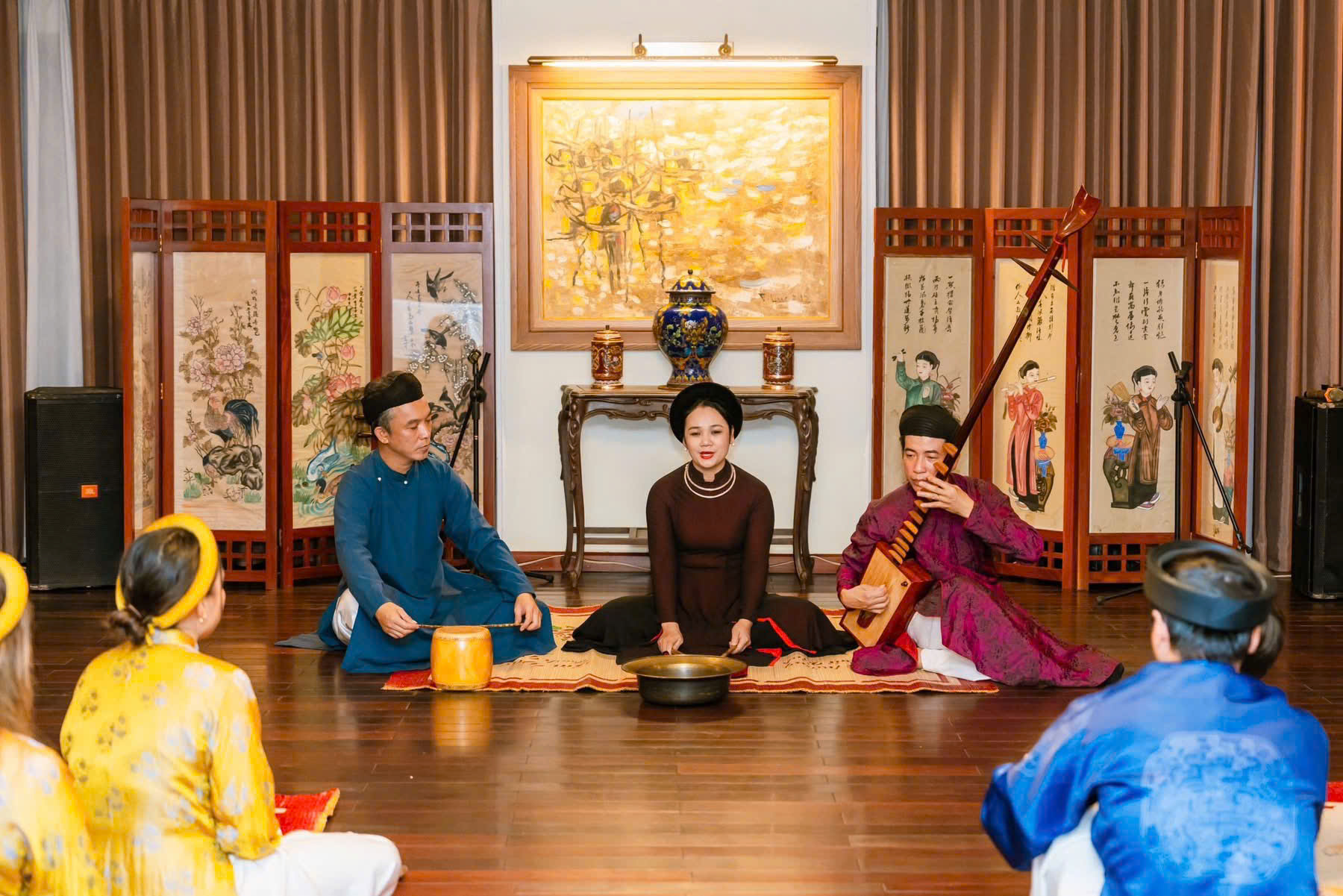
- Cultural performances and historical narratives integrated into itineraries.
- Journeys along rivers and coastlines that trace 4,000 years of Vietnamese riverine civilization.
According to Dr. Pham Ha:
“We are not selling cabins or fine dining. We are designing emotional journeys. The future of luxury is not ostentation—it is depth, identity, and meaningful connection.”
The brand philosophy, “Luxury is Culture – Delivering Happiness,” is not a marketing slogan but a structural business principle.
From Preservation to Value Creation
One of the central dilemmas of heritage-based development is the risk of superficial commercialization. LuxGroup® addresses this by adopting a principle of “preservation through responsible utilization.”
Instead of isolating heritage within museums, the company integrates art and cultural assets into living commercial spaces. Through initiatives such as LuxArts Collection®, Vietnamese fine art becomes part of the hospitality experience—curated, contextualized, and economically activated.
In this model, heritage becomes:
- A brand asset.
- A source of differentiated design.
- Intellectual property.
- Cultural capital that enhances pricing power.
“Heritage only has a future when it participates in modern life,” Dr. Pham Ha explains. “If we preserve without transforming, we risk freezing culture in time.”
National Positioning Through Cultural Capital
Globally, successful nations have leveraged cultural identity as an economic differentiator. Japan’s aesthetic philosophy, Italy’s artistic legacy, and South Korea’s cultural wave are examples of heritage transformed into global influence.
LuxGroup® positions itself as a corporate actor contributing to Vietnam’s national branding through cultural depth rather than cost competitiveness.
Its long-term vision, Vietnam Waterways® 2045, seeks to reposition Vietnam’s rivers and seas not merely as tourism corridors, but as cultural-economic platforms—where history, art, sustainability, and enterprise intersect.
Dr. Pham Ha articulates the ambition clearly:
“If Vietnam wants to rise sustainably, we cannot rely solely on exporting goods. We must export stories, culture, and identity. Tourism is the storytelling industry of a nation.”
Integrating ESG and Heritage Economics
A distinctive feature of LuxGroup’s model is the integration of heritage with ESG principles. The company operates under an 8P framework—Passion, Purpose, People, Planet, Profit, Place, Partnership, and Prosperity—where “Place” and “People” are as critical as financial performance.
By embedding cultural value into its operations, LuxGroup®:
- Supports local artisans and communities.
- Encourages preservation of regional traditions.
- Promotes environmentally responsible cruising practices.
- Elevates cultural awareness among global travelers.
“Profit is necessary for survival,” says Dr. Pham Ha, “but identity and responsibility are what ensure sustainability. When business serves culture and community, economic value follows.”
Heritage Capitalism: A New Paradigm
The LuxGroup® case reflects a broader shift toward what might be called heritage capitalism—an economic model where cultural assets are treated as strategic capital within a creative economy framework.
For Vietnam, which aims to move toward higher-quality growth, creative industries and cultural tourism are increasingly recognized as structural drivers. However, unlocking this potential requires:
- Long-term strategic thinking.
- Investment in design, storytelling, and intellectual property.
- Collaboration between entrepreneurs, artists, and policymakers.
- Protection of cultural authenticity.
LuxGroup® demonstrates that heritage-driven business is not nostalgic romanticism—it is strategic differentiation.
From Memory to Future Advantage
As Vietnam enters a new era of development, the challenge is not the absence of resources, but the confidence to convert identity into competitive advantage.
Heritage, when reimagined as capital, becomes more than collective memory. It becomes a platform for innovation, brand positioning, and sustainable prosperity.
In Dr. Pham Ha’s words:
“A nation that understands how to transform its heritage with intelligence will never be poor. Heritage belongs to the past, but it is also our competitive advantage for the future.”
LuxGroup® is not merely operating cruise lines or travel services. It is experimenting with a development model—one where every journey becomes a cultural narrative, and every experience contributes to the economic elevation of national identity.
In a global marketplace saturated with standardized luxury, Vietnam’s differentiation may lie precisely in what is most authentic: its stories, its rivers, and its living heritage.