

Why Happiness May Become Vietnam’s Greatest Competitive Advantage
By Dr. Pham Ha
Founder, President & CEO, LuxGroup®
For decades, the business world has been guided by a familiar formula: grow faster, scale bigger, sell more, and generate greater profits. Success has traditionally been measured through revenue, market share, assets, and shareholder value. Yet amid unprecedented economic prosperity and technological advancement, a paradox has emerged. People today may be wealthier than previous generations, but they are not necessarily happier.
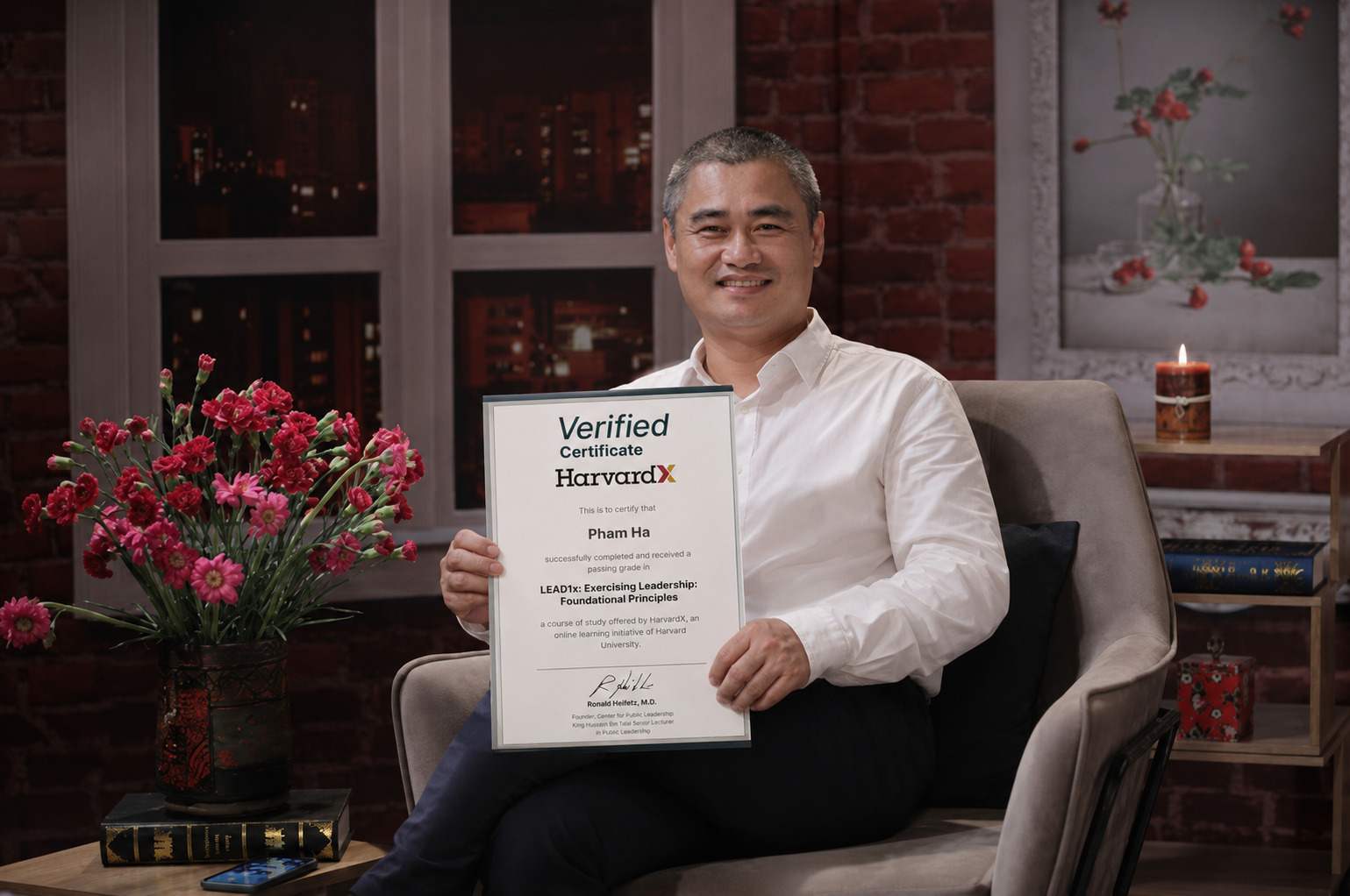
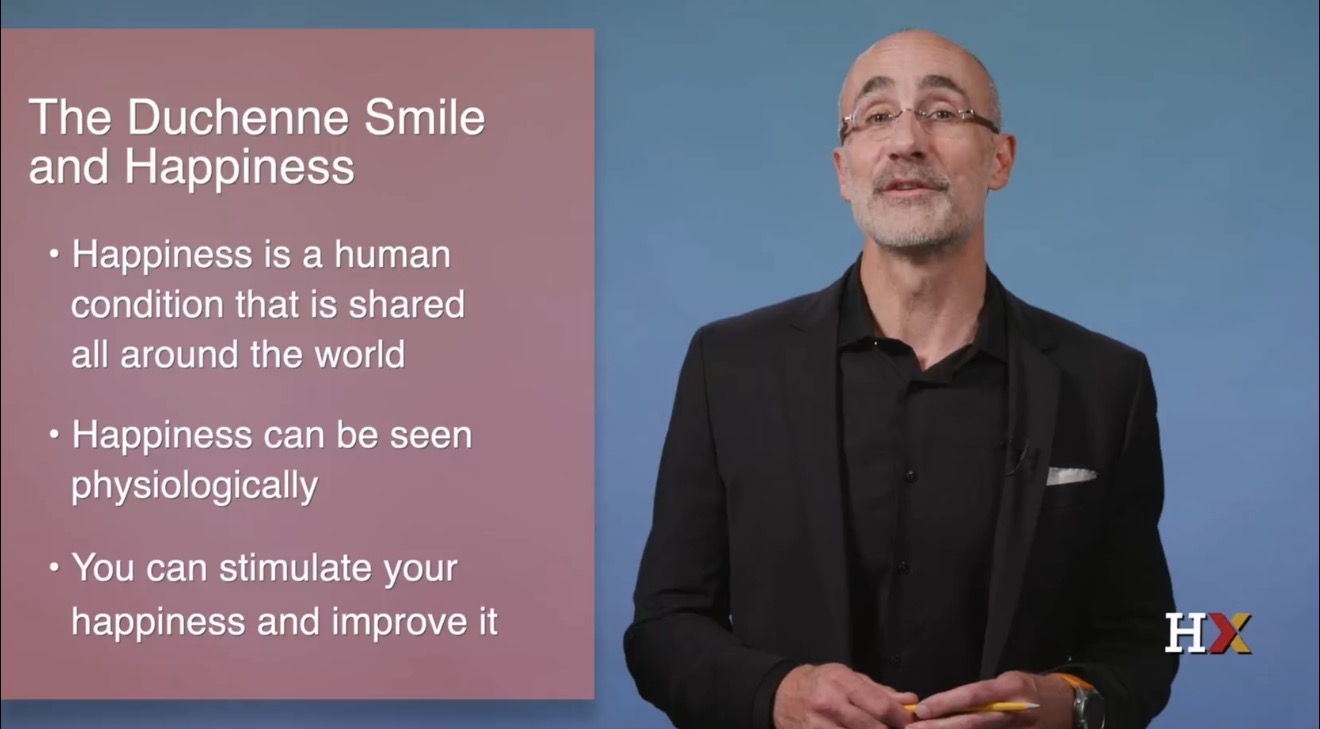
This question has occupied my mind throughout more than twenty years of building LuxGroup® and, more recently, while studying the science of happiness through HarvardX’s Managing Happiness program. What is the ultimate purpose of business? Is it merely to create economic value, or can it create something far more meaningful—human flourishing?
I have come to believe that the most successful organizations of the future will not simply deliver products and services. They will deliver happiness. They will create meaning, foster connection, and enrich lives. In other words, they will master the art of Delivering Happiness®.
The Rise of the Happiness Economy
The global economy is undergoing a profound transformation. The industrial economy was built on production. The service economy focused on convenience. The experience economy emphasized memorable moments. The next frontier is the happiness economy, where organizations create value by improving well-being and helping people lead more meaningful lives.
Today’s consumers are seeking more than quality products or efficient services. They are looking for experiences that strengthen relationships, improve mental well-being, foster personal growth, and provide a deeper sense of purpose. Increasingly, people are investing not only in what they own but also in how they feel.
Nowhere is this trend more evident than in tourism and hospitality. Travelers no longer ask only where they are going. They ask how a journey will transform them. They seek authenticity, cultural immersion, meaningful human connections, and experiences that leave a lasting impact long after they return home.
For Vietnam, this shift presents a remarkable opportunity. Our country possesses assets that cannot be replicated by artificial intelligence or mass production: living culture, timeless heritage, breathtaking landscapes, compelling stories, and genuine human warmth. In the future, Vietnam’s greatest competitive advantage may not be what we manufacture. It may be how we make people feel.
From Travel Business to Happiness Business
When I founded Luxury Travel® in 2005, I believed I was building a luxury tour operator. Over time, however, I realized we were actually creating emotions.
Guests rarely remembered every detail of an itinerary. They remembered the kindness of a guide, a breathtaking sunset, a conversation with a local artisan, or a moment of wonder that exceeded their expectations. What remained long after the journey ended were the feelings.
This realization became the foundation of LuxGroup®’s philosophy: Delivering Happiness®.
Today, whether through Luxury Travel®, Heritage Cruises®, Emperor Cruises®, or Amiral Cruises for Presidents®, our mission remains the same: to create meaningful experiences that leave people happier than they were before they arrived.
When happiness becomes the purpose, everything changes. Employees are no longer viewed merely as resources but as individuals with aspirations, talents, and dreams. Customers become valued guests. Transactions evolve into relationships. Growth becomes the natural consequence of creating genuine value rather than the sole objective.
The Science Behind Happiness
What makes the study of happiness particularly compelling is that it is no longer solely a philosophical concept. Advances in neuroscience, behavioral economics, and positive psychology have provided powerful insights into what truly contributes to human well-being.
One of the most influential studies in this field is the Harvard Study of Adult Development, which has followed participants for more than eighty years. Its conclusion is remarkably simple yet profound: the quality of our relationships is the strongest predictor of happiness, health, and longevity.
Not wealth.
Not fame.
Not professional achievement.
Relationships.
Similarly, research on oxytocin, often referred to as the “trust hormone,” demonstrates that human beings thrive when they feel valued, respected, connected, and trusted. These findings have profound implications for leadership and organizational culture.
Trust is not a soft concept. It is a strategic asset.
Organizations that cultivate trust often experience higher engagement, stronger innovation, lower employee turnover, and deeper customer loyalty. In an increasingly digital world, human connection becomes even more valuable.
Luxury Is Culture®
The luxury industry itself is also undergoing a significant transformation. Traditionally, luxury was associated with exclusivity, status, and material possessions. Today, luxury is increasingly defined by authenticity, meaning, and emotional richness.
At LuxGroup®, we summarize this philosophy in a simple statement: Luxury is Culture®.
Luxury is not merely about what money can buy. Luxury is time. Luxury is attention. Luxury is craftsmanship. Luxury is storytelling. Luxury is authenticity. Above all, luxury is human connection.
A luxury cruise is not memorable because of its vessel alone. It becomes extraordinary because of the stories shared onboard, the relationships formed, and the emotions experienced during the journey.
Likewise, destinations become meaningful not because of physical infrastructure but because they connect travelers with culture, history, and humanity.
As Vietnam develops its premium tourism sector, cultural authenticity may prove to be a more sustainable advantage than infrastructure or pricing alone. The future belongs to destinations that touch hearts, not merely attract visitors.
Leadership in the Age of Meaning
The expectations placed upon leaders have changed dramatically. Employees increasingly seek purpose alongside compensation. Younger generations want meaningful careers rather than simply stable jobs. Communities expect businesses to create positive social impact. Investors are paying greater attention to environmental, social, and governance performance.
These shifts reflect a broader societal trend: people want organizations to stand for something meaningful.
Purpose has become a source of competitive advantage.
Purpose inspires people. Culture shapes behavior. Trust strengthens relationships. Together, they create sustainable growth.
This does not mean abandoning profit. Rather, it means understanding that profit is the outcome of creating meaningful value for customers, employees, communities, and society.
Throughout my entrepreneurial journey, I have learned that financial performance is essential, but it cannot be the sole measure of success. The organizations that endure are those that improve lives while generating economic value.
From Success to Significance
One of the most important lessons from the science of happiness concerns the evolution of human ambition. Early in life, we often pursue success. We seek achievement, recognition, and growth. Over time, however, many people begin asking different questions.
What difference have I made?
Who have I helped?
What legacy will I leave behind?
These questions do not signal the end of ambition. They signal its transformation.
As I reflect on my own journey—from a young boy fascinated by ships to building tourism and cruise brands across Vietnam—I increasingly believe that leadership is ultimately an act of service.
The purpose of leadership is not to accumulate power.
It is to help others flourish.
The purpose of business is not merely to create economic value.
It is to create human value.
The purpose of success is not personal recognition.
It is positive impact.
Vietnam’s Opportunity
Vietnam stands at a remarkable moment in its development. The economy continues to grow. Tourism continues to expand. Vietnamese entrepreneurs are increasingly confident on the global stage. Yet alongside economic progress, we have an opportunity to define a uniquely Vietnamese vision of success.
A vision that balances prosperity with well-being.
Growth with sustainability.
Achievement with meaning.
In this vision, happiness is not viewed as a luxury reserved for the fortunate few. It becomes a strategic objective for businesses, communities, and society as a whole.
The future will belong not only to the fastest-growing companies but also to those that improve people’s lives. Not only to those that create wealth but also to those that create well-being. Not only to those that generate profits but also to those that generate purpose.
Perhaps Vietnam’s next great export will not be a product at all.
Perhaps it will be something far more valuable.
Perhaps it will be happiness.
And in an increasingly uncertain world, happiness may prove to be the most sustainable competitive advantage of all.
That is the philosophy behind LuxGroup®.
That is the spirit of Delivering Happiness®.
And that is the future we have the opportunity to build—one meaningful experience, one human connection, and one happier life at a time.