

For centuries, the river now known as the Saigon River has carried more than water. It has carried merchants, migrants, soldiers, ideas, and the layered memory of a nation that has long looked toward the sea. Long before modern highways and airports reshaped southern Vietnam, the river was the region’s primary artery — a moving corridor of trade and cultural exchange that linked inland communities to the wider world.
Today, in the heart of Ho Chi Minh City, that historic waterway is quietly re-emerging with a new purpose: luxury cultural travel.
Around the world, the most sophisticated urban tourism experiences increasingly unfold along rivers. The Seine in Paris, the Thames in London, and the Danube in Central Europe have all demonstrated how waterways can reveal cities from their most intimate perspective. Instead of rushing through traffic, travelers glide past architecture, landscapes, and stories that unfold at the pace of water.
Vietnam’s southern metropolis may now be entering a similar chapter.
A River That Built the City
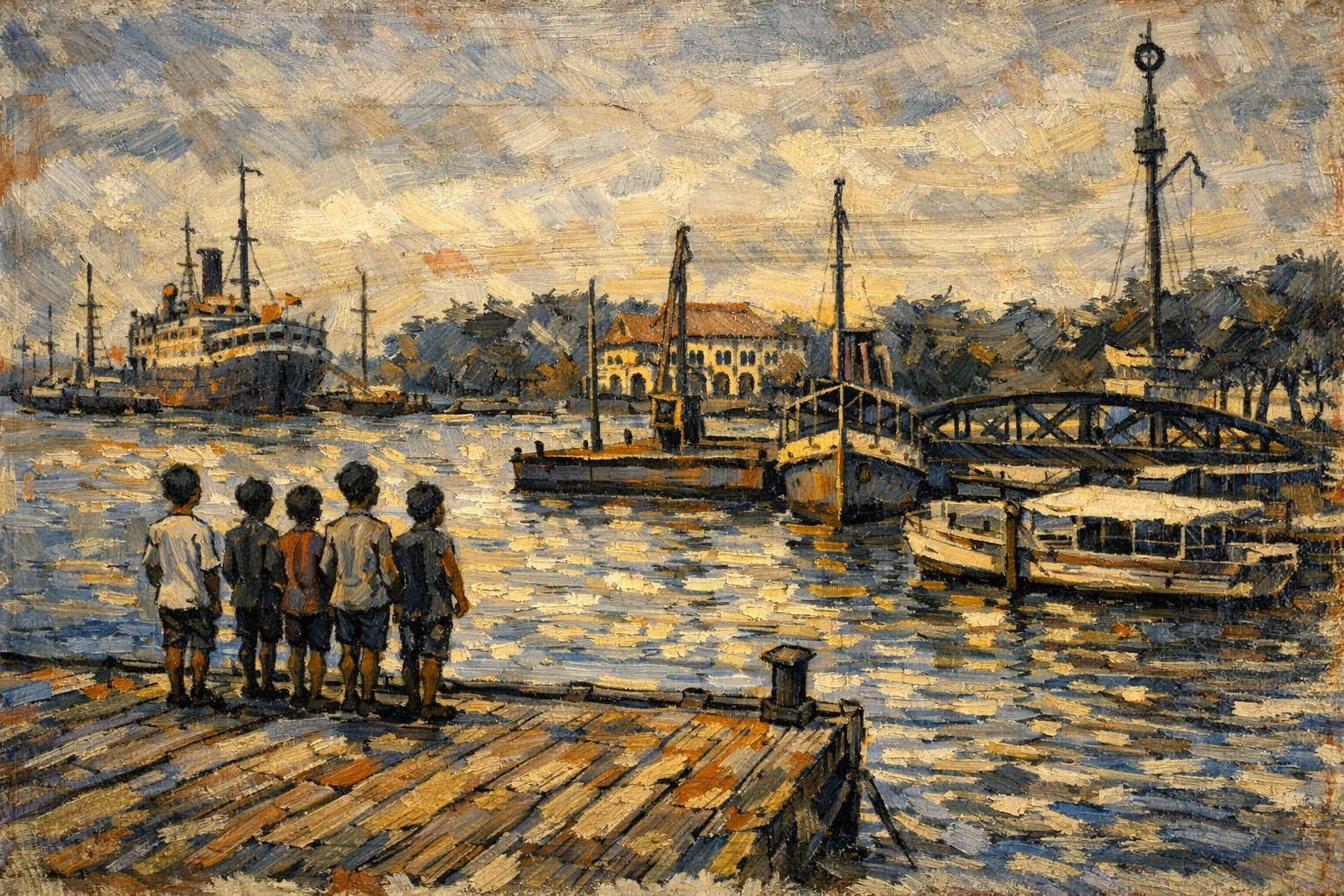
The modern skyline of Ho Chi Minh City often overshadows the role the river played in shaping its identity. In the 19th and early 20th centuries, ships arriving from Europe and across Asia first encountered Saigon through its harbor along the riverbanks. Warehouses, colonial buildings, trading houses, and diplomatic missions clustered along the waterfront, turning the city into what historians once called the “Pearl of the Far East.”
Many of these historic layers remain visible today. French colonial architecture still lines parts of the riverfront, while modern bridges and glass towers reflect the city’s rapid economic transformation. Seen from the river itself, the contrast between past and present becomes strikingly clear.
This perspective is precisely what a new generation of tourism entrepreneurs believes travelers are seeking.
The Rise of Cultural Cruises
Unlike large ocean liners or mass tourism boats, the emerging model on the Saigon River focuses on smaller, boutique vessels that emphasize cultural immersion and storytelling.
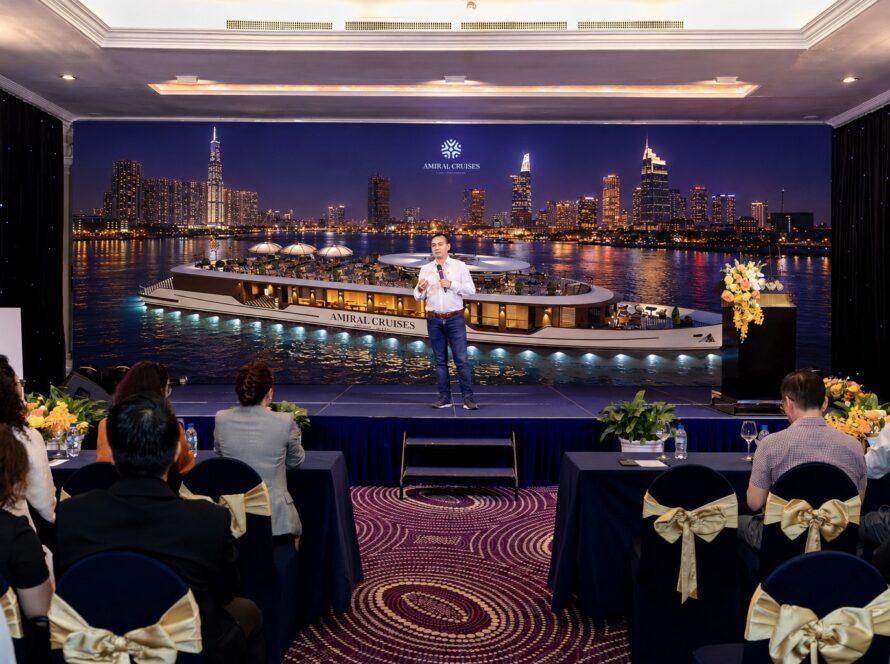
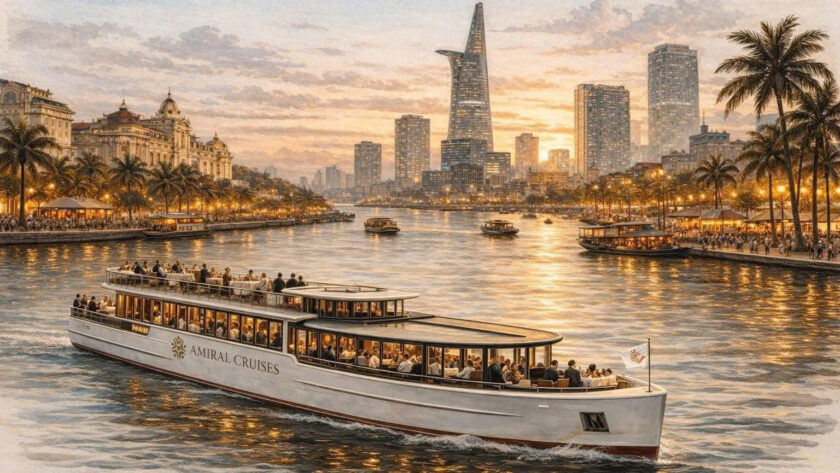
Companies such as LuxGroup have begun developing curated river journeys designed less as transportation and more as experiences. Their upcoming flagship concept, Amiral Cruises for Presidents, reflects this philosophy: limited-capacity voyages that combine gastronomy, music, heritage narratives, and slow travel along the river’s historic corridor.
Rather than presenting the cruise as an attraction alone, operators are framing the river itself as a living museum. Routes may include journeys toward the mangrove landscapes of Can Gio Mangrove Biosphere Reserve, excursions that explore wartime history near Cu Chi Tunnels, or sunset cruises revealing the city skyline as it transitions from colonial port to modern megacity.
For travelers increasingly drawn to meaningful experiences, the appeal lies not in spectacle but in perspective.
Slow Travel in a Fast City
Ho Chi Minh City is often described as energetic, chaotic, and constantly moving. Motorbikes dominate its streets, construction cranes shape its skyline, and the pace of commerce rarely slows.
On the river, however, the city reveals another rhythm.
A cruise departing from the historic waterfront at Bach Dang Wharf quickly leaves behind the urban intensity. The skyline recedes, replaced by tree-lined banks, fishing boats, and quiet residential districts that hint at a more contemplative version of the metropolis.
For many visitors, the contrast is striking. The same city that appears relentless on land feels reflective from the water.
This shift in perspective is one reason travel analysts believe river experiences may become an important component of Vietnam’s evolving tourism strategy.
Heritage as the New Luxury
Across the global travel industry, luxury is gradually being redefined. Instead of focusing solely on scale or extravagance, travelers increasingly seek authenticity, cultural depth, and environmental sensitivity.
Vietnam’s waterways offer a natural platform for that transformation.
The country’s history is inseparable from rivers — from the Mekong River in the south to the Red River in the north. For centuries these waterways served as transportation routes, agricultural lifelines, and cultural landscapes where markets, villages, and temples emerged along their banks.
Reintroducing river travel in cities like Ho Chi Minh City allows visitors to reconnect with that deeper geography.
For tourism developers, the challenge lies in doing so without replicating the excesses of mass tourism that have affected other global destinations. Many operators therefore emphasize smaller vessels, quieter experiences, and sustainability practices designed to minimize environmental impact.
A Waterway with Global Potential
Whether the Saigon River ultimately joins the ranks of the world’s great urban waterways remains uncertain. What is clear, however, is that the river’s narrative is once again being rediscovered.
As Vietnam’s tourism sector continues to expand, the country is searching for experiences that reflect its cultural identity rather than merely replicate international models. The revival of river travel offers one such possibility.
For visitors drifting along the Saigon River at sunset — watching the city lights appear while music drifts softly across the deck — the experience suggests something larger than a cruise.
It suggests the rediscovery of a river that, after centuries of shaping the city, may once again shape how the world sees it.