

By Dr. Phạm Hà
President & CEO, LuxGroup®
Luxury travel has never been more desirable, yet it has never been more complex.
For generations, luxury was defined by five-star hotels, private villas, first-class cabins and exclusive reservations. Those elements remain important, but they have become the starting point rather than the destination. Today’s affluent traveller expects comfort as a given. What they truly seek is confidence, authenticity and experiences that cannot be replicated by an algorithm or purchased from a catalogue. In 2026, luxury is no longer measured by how much is spent, but by how meaningful every moment becomes.
Across Vietnam and Asia, I have witnessed a profound transformation in traveller behaviour. Successful entrepreneurs, family offices, corporate leaders and multi-generational families are travelling differently. They are taking fewer trips but staying longer. They are avoiding crowded destinations in favour of quieter places with richer stories. Rather than collecting passport stamps, they are collecting memories. They seek genuine encounters with people, heritage and culture that leave a lasting emotional impression long after they return home.
At LuxGroup, after more than two decades of creating bespoke journeys throughout Vietnam and Asia, we have learned that exceptional travel is rarely about luxury products alone. It is about anticipating needs before they arise, eliminating uncertainty before it becomes visible, and creating emotional moments that remain unforgettable. Our philosophy, Luxury is Culture®, reminds us that the highest form of luxury is not excess, but authenticity experienced with elegance, care and humanity.
As Asia continues to emerge as one of the world’s most dynamic tourism regions, I believe every luxury travel advisor, destination management company and hospitality leader should embrace three new principles that define the future of high-end travel.
Rule One: Design Stories, Not Simply Itineraries
Artificial intelligence can build an itinerary within seconds. It can compare hotel rates, optimise flight schedules and recommend attractions based on millions of online reviews. Yet technology cannot understand why a family chooses to travel together after years apart, why a successful entrepreneur wishes to disconnect from the world, or why grandparents dream of introducing their grandchildren to the cultures that shaped Asia for centuries. Those motivations require empathy, curiosity and human understanding.
Every remarkable journey begins with listening rather than selling. Before recommending destinations, we seek to understand aspirations, interests and life milestones. Is the journey a celebration of a wedding anniversary? A reward after completing a major business acquisition? A family reunion spanning three generations? A personal search for inspiration or reflection? These questions shape experiences that no automated platform can ever design.
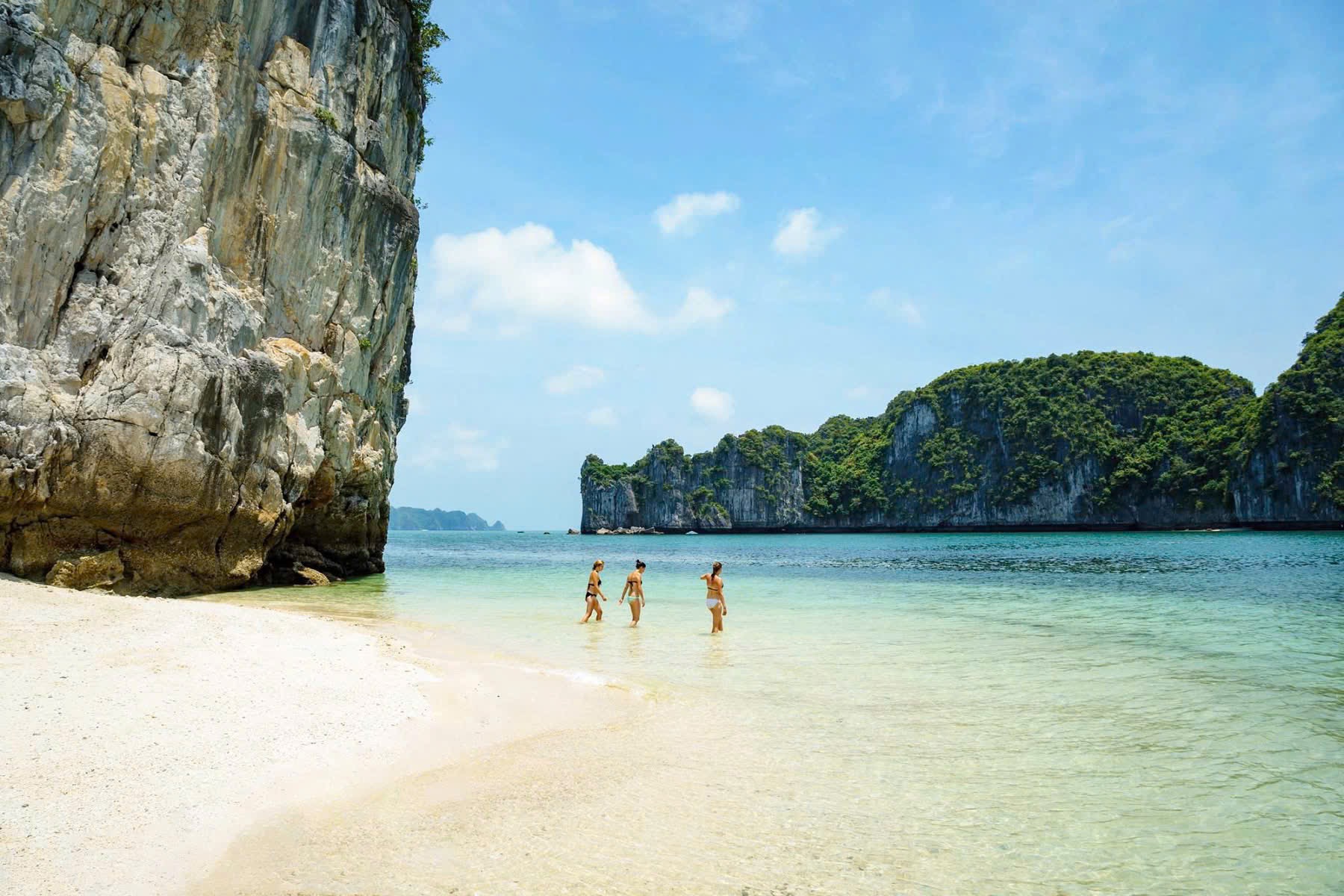
Vietnam offers extraordinary opportunities for this form of travel because every destination carries a living narrative. The ancient trading houses of Hội An speak of centuries of international commerce. Huế preserves the elegance of imperial Vietnam. Hạ Long Bay reveals geological wonders shaped over millions of years, while the Mekong Delta reflects generations of life sustained by rivers that continue to nourish communities today. Each place tells a different chapter of a much larger story.
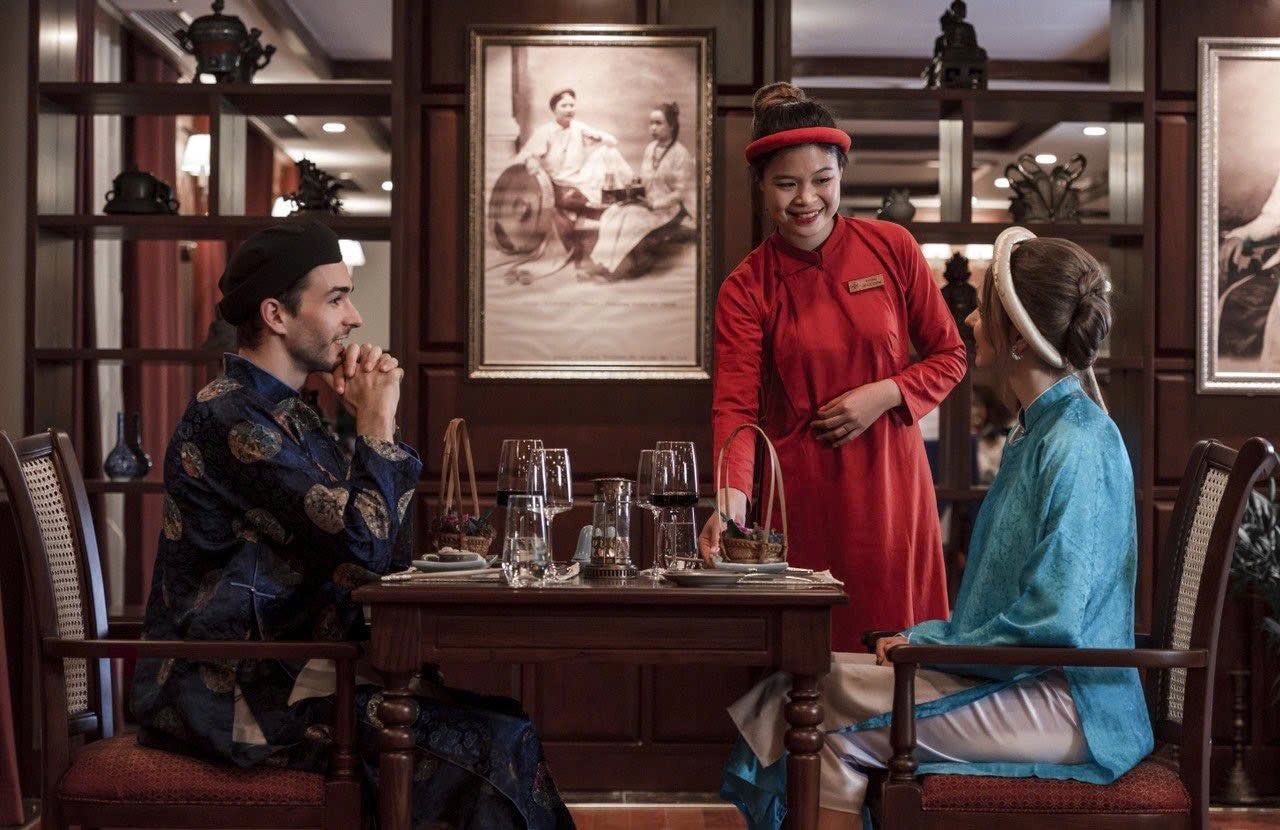
The role of a luxury travel designer is therefore not to assemble attractions but to curate meaningful moments. A private dinner inside a restored heritage residence. Sunrise aboard a boutique river yacht before the city awakens. A conversation with an artisan preserving centuries-old traditions. A visit to a family-owned tea plantation guided by its owner rather than a scripted tour. These experiences create emotional value that far exceeds material luxury.
Travellers rarely remember every suite they occupied or every menu they enjoyed. Instead, they remember the elderly craftsman who shared his life’s work, the fisherman who welcomed them aboard his wooden boat, or the peaceful silence of a river at dawn. Stories become memories, and memories become the true currency of luxury travel.
Rule Two: Protect Time as the Ultimate Luxury
For today’s ultra-high-net-worth traveller, time has become the world’s most valuable luxury. Wealth can create opportunities, but it cannot create additional hours in a day. Business commitments, philanthropic responsibilities and family obligations leave increasingly limited windows for travel. Every unnecessary delay, administrative burden or logistical complication diminishes an experience that should instead feel seamless and effortless.
Luxury therefore means making complexity disappear. Guests should never concern themselves with transfers, immigration procedures, changing regulations, weather disruptions, restaurant reservations or alternative transport arrangements. Every potential challenge should already have been anticipated before the journey begins. True luxury is the absence of friction.
Asia remains one of the world’s most exciting regions to explore, yet it is also becoming more operationally complex. Flight schedules evolve rapidly. Entry regulations continue to change. Climate patterns influence seasonal travel. Popular destinations experience overcrowding, while geopolitical developments occasionally affect international routes. These realities require travel professionals to think strategically rather than reactively.
Modern luxury advisors are no longer booking agents; they are trusted consultants and risk managers. Their responsibility extends beyond reservations to designing journeys resilient enough to adapt without compromising the guest experience. Alternative routing, local expertise, contingency planning and trusted relationships on the ground have become as valuable as the finest hotel or the most luxurious yacht.
Behind every effortless journey lies thousands of carefully coordinated decisions that travellers never see. When those invisible details work perfectly together, guests enjoy what matters most: uninterrupted time with family, meaningful conversations, remarkable landscapes and complete peace of mind. At LuxGroup, we often remind ourselves that our guests should collect memories, not logistics.
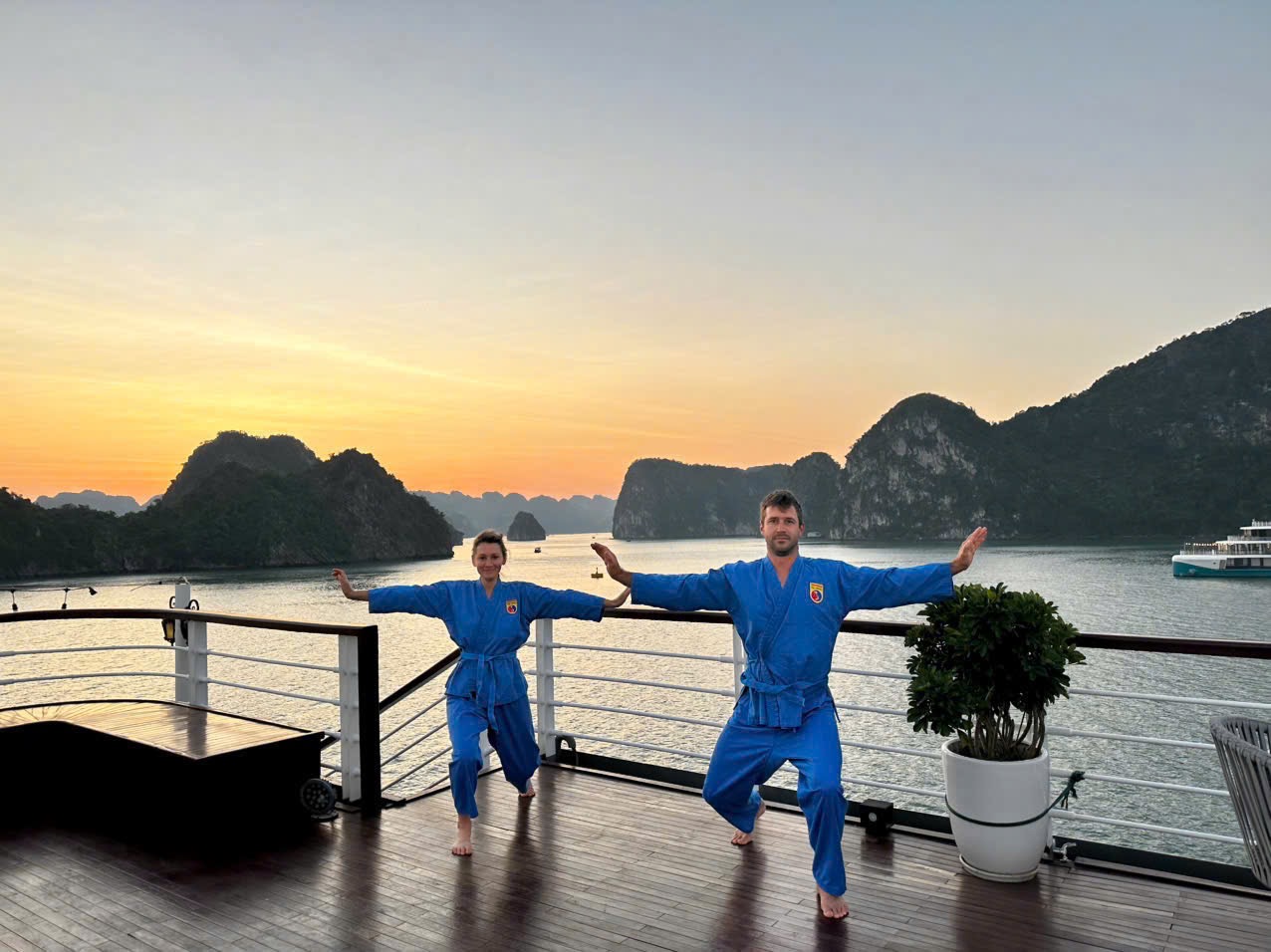
Rule Three: Preserve Discovery Before It Disappears
Luxury travellers increasingly seek destinations that still retain their authenticity before global popularity transforms them. Ironically, the more exclusive a destination becomes, the faster it often loses the sense of discovery that originally made it extraordinary. Social media accelerates this cycle, turning hidden beaches into crowded attractions and peaceful villages into fashionable backdrops within remarkably short periods.
This creates a remarkable opportunity for Vietnam and many emerging destinations across Asia. Rather than competing through scale, these destinations can compete through authenticity, cultural depth and meaningful human connections. Sophisticated travellers are increasingly choosing rivers over highways, heritage towns over shopping districts, family-owned lodges over international chains and locally guided experiences over standard sightseeing programmes.
Vietnam is uniquely positioned to lead this transformation. Along the Saigon River, visitors can rediscover the city’s evolution through architecture, cuisine and cultural heritage. The Mekong Delta offers one of Southeast Asia’s richest living landscapes, where floating markets, fruit orchards, traditional crafts and family life remain deeply connected to the rhythms of the river. In northern Vietnam, mountain communities continue to preserve customs that have endured for generations, providing encounters that remain authentic rather than staged.
The same evolution is occurring throughout Asia. Travellers are looking beyond iconic capitals towards quieter islands, historic trading ports, emerging wine regions, remote national parks and communities where cultural traditions continue to flourish. These destinations offer something increasingly difficult to find in modern tourism: the feeling of genuine discovery.
This approach benefits everyone involved. Local communities receive higher-value visitors who stay longer and engage more deeply. Cultural traditions are respected and preserved rather than commercialised. Environmental pressures are reduced through more balanced visitor distribution. Travellers return home with richer experiences, while destinations maintain the authenticity that attracted them in the first place.
Vietnam’s Opportunity to Lead Luxury Travel in Asia
Vietnam stands at a defining moment in its tourism development. Few countries combine such remarkable diversity within relatively short travel distances. Visitors can explore UNESCO World Heritage Sites, imperial cities, tropical islands, vibrant metropolitan centres, spectacular mountains and peaceful river communities in a single journey. Combined with exceptional cuisine, genuine hospitality and increasing international connectivity, Vietnam possesses every ingredient necessary to become one of Asia’s leading luxury destinations.
However, the future should not be measured solely through arrival statistics. Success belongs to destinations that generate greater value rather than greater volume. Quality should take precedence over quantity, while cultural preservation must remain inseparable from tourism development. Luxury travel should enhance local livelihoods while protecting the heritage, traditions and landscapes that define a nation’s identity.
The Future Remains Deeply Human
Artificial intelligence will undoubtedly transform travel planning. It will become faster, smarter and increasingly personalised. Digital tools will optimise operations, improve efficiency and automate many administrative tasks. Yet technology will never replace empathy, intuition or genuine hospitality. It cannot understand emotion, anticipate unspoken wishes or build lasting trust through human relationships.
The greatest competitive advantage for luxury travel professionals will therefore remain profoundly human. It lies in listening carefully, thinking creatively and caring deeply. The most memorable journeys are still designed by people who understand that travel is ultimately about emotions rather than transactions.
As I often tell our colleagues across LuxGroup:
“Luxury is not defined by what money can buy. Luxury is measured by how deeply a journey transforms the traveller and how meaningfully it connects people with culture, heritage and one another.”
That philosophy will shape the next generation of luxury travel.
And nowhere is that future more exciting, more authentic and more inspiring than across Vietnam and Asia.