

Dr. Phạm Hà | Founding President and CEO, LuxGroup®
Vice President, Vietnam Green Tourism Association
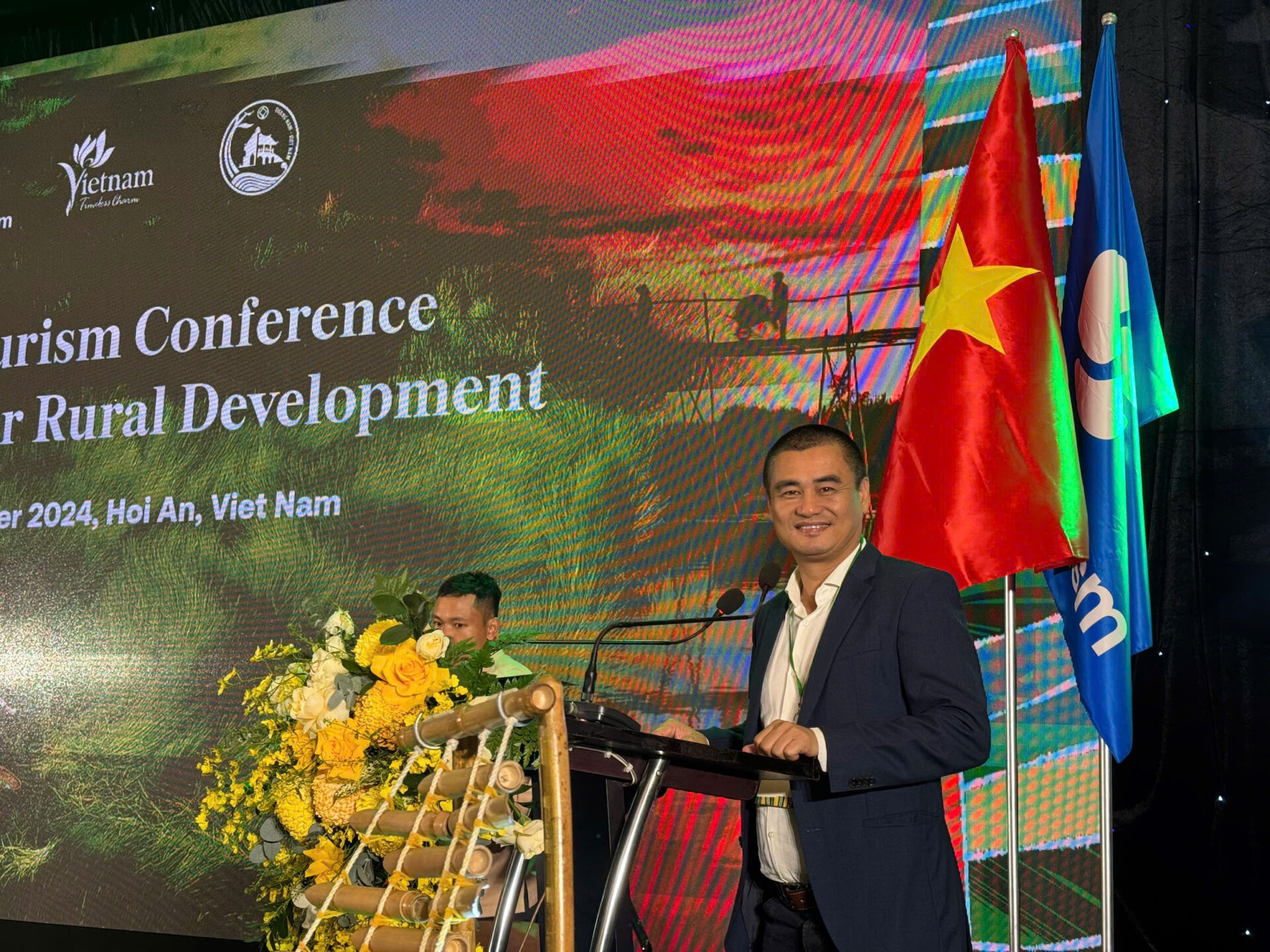
Reflections on the discussion hosted by Dân trí newspaper in Hanoi on the morning of 5 October 2026.
A village can become famous through a single photograph. But helping its people live better through tourism takes a longer journey: turning cultural identity into meaningful experiences, experiences into income, and income into the resources that keep culture alive.
At the discussion on tourism in ethnic minority communities, one question guided my thinking: after each visitor leaves, what remains for local people? A fair income? A career opportunity for a young person? A traditional craft with a new apprentice? The answers determine what development means in practice.
Vietnam has many places rich in landscapes and culture. Yet these assets only open the door to opportunity. Turning opportunity into livelihoods requires organisation, reliable services and community agreement. Every village need not become a tourism destination. The starting point should be a community that wants to participate and has the conditions to protect its homeland.
Living culture gives experiences depth
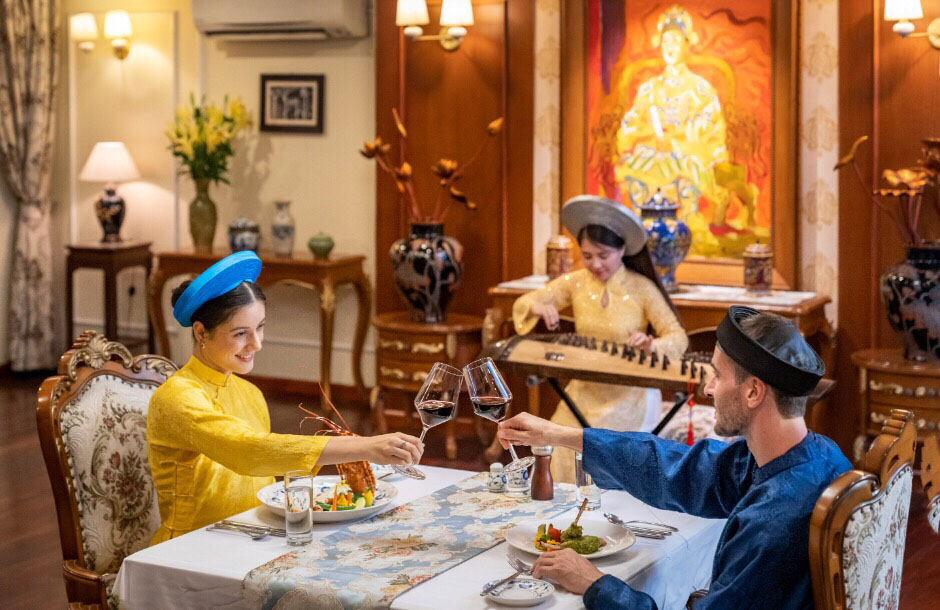
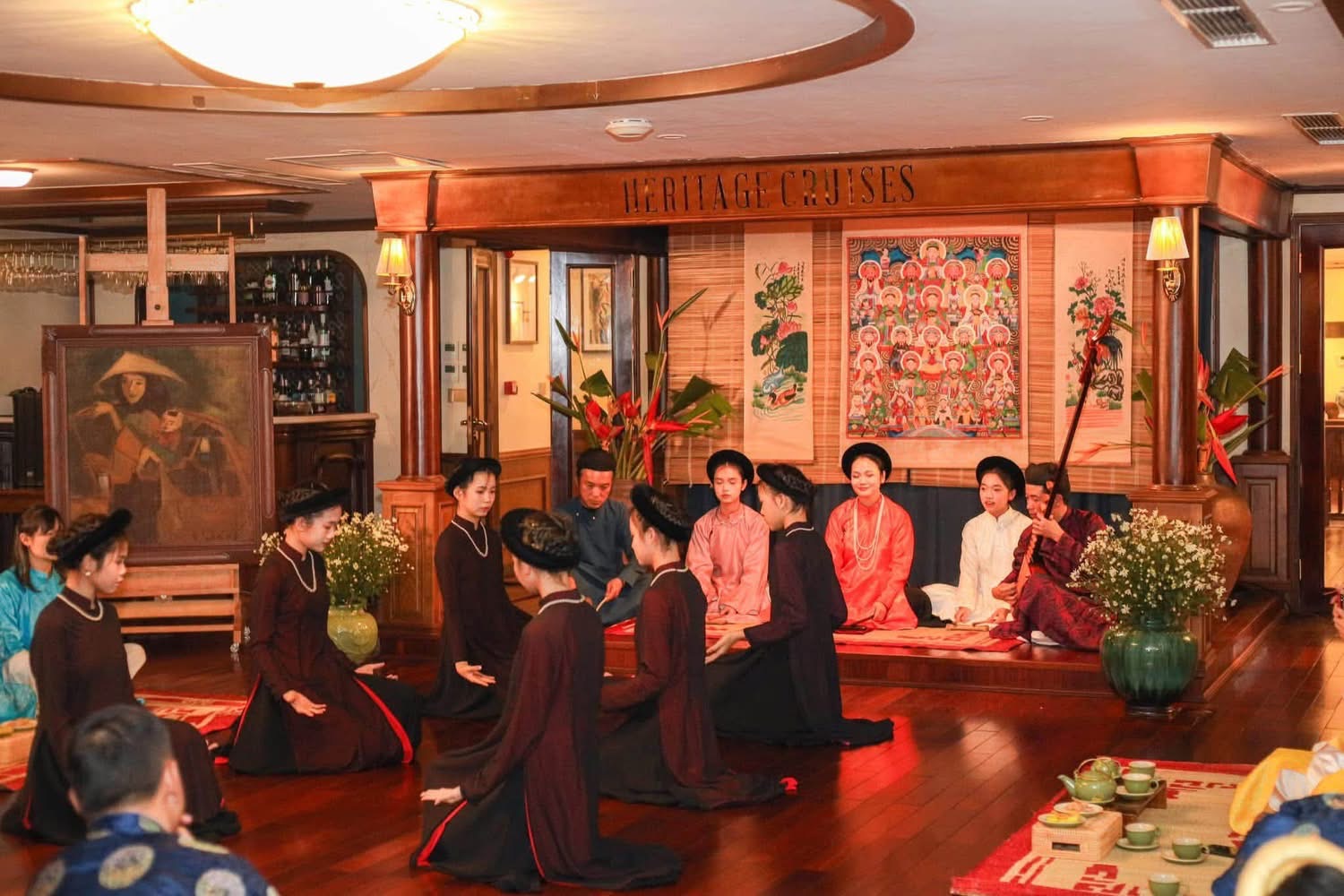
At LuxGroup®, culture sits at the heart of how we design experiences, guided by our belief that Luxury is Culture®. The value of a journey may lie in a conversation beside a fire, a meal shared with a host, or the moment a traveller understands the meaning of a pattern woven into cloth.
For travellers interested in culture, genuine encounters create lasting appeal. They want to know who grew the rice on their plate, who wove the scarf they bought, and why a house was built in a particular way. When an experience makes these connections understandable, ordinary details become lasting memories.
Consider weaving. A small group experience could begin with the story of the materials, continue with the weaver’s explanation, and allow visitors to try an appropriate stage of the process. Visitors pay for time, knowledge and guidance, while the craftsperson receives proper recognition and compensation.
This is a proposal to develop and test with the community. The people who hold cultural knowledge should decide what they wish to share, how many visitors they can welcome, and when it suits them. A good experience respects the host’s rhythm of life.
Simplicity also needs a foundation of dependable service: clean rooms, safe water, good toilets and clear information. Travellers may seek cultural difference, but they still need care and safety.
Livelihoods should reach across the village
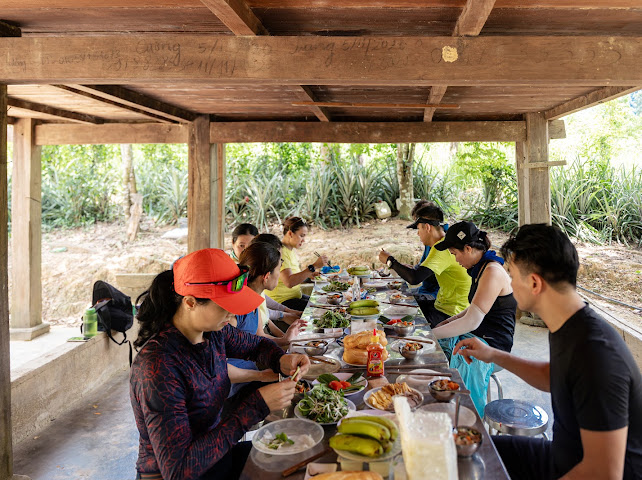
An overnight stay can create work for many people: a homestay owner, a cook, a vegetable grower, a guide and an artisan. With an organised network of local suppliers, households without guest rooms can also participate.
We therefore need to follow where each payment goes. Where is the food purchased? Who provides the services? How much does the craftsperson receive after costs? Tourism value supports a community when these relationships are built on fair terms.
Tour operators can contribute by choosing qualified local suppliers, using agreements people can understand, and paying on time. Communities need clear criteria for allocating bookings, transparent accounts where a shared fund exists, and opportunities for women, young people and households with fewer resources.
To encourage another overnight stay, a village needs greater depth of experience. A two or three day itinerary could connect walking, food, traditional crafts and exploration of nearby places. It should also leave time for visitors to talk, observe and absorb what they encounter.
Higher spending should come from value that visitors willingly choose. Memorable experiences, good service and transparent prices give travellers more reasons to stay longer, buy local products and recommend a destination. Income retained after costs reveals whether tourism is improving livelihoods.
Community ownership protects cultural identity
Local people must have a voice from the moment a tourism product takes shape. Communities should discuss visitor numbers, areas open to tourism, codes of conduct and the limits of cultural sharing. Households outside the tourism business also deserve a say, because traffic, noise and waste affect their lives.
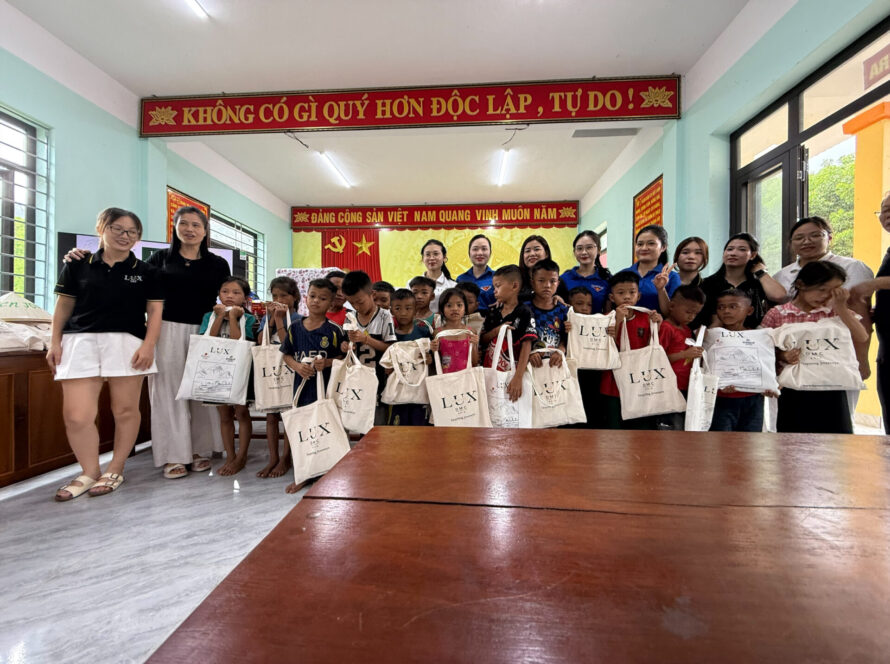
Ownership requires capability as well. People need to understand pricing, manage income and expenses, maintain hygiene, respond to feedback and use booking tools. Training works best when it connects to real tasks, with support continuing until households can operate independently.
Cultural preservation should enable people to keep practising and passing on their traditions. Tourism revenue can support artisans, apprentices and shared cultural spaces. A performance that visitors enjoy should go hand in hand with young people understanding its cultural meaning.
Communities also have the right to improve their living conditions. Preserving identity cannot mean preserving inconvenience for the sake of a tourism image. What should endure is knowledge, memory and the community’s right to shape its own future as life changes.
Invest in communities that can operate independently
Decision 1719/QĐ-TTg, issued in 2021, approved Vietnam’s National Target Programme for Socioeconomic Development in Ethnic Minority and Mountainous Areas for 2021–2030, with its first phase covering 2021–2025. From a business perspective, I propose that tourism support continue to focus on the capabilities needed to build lasting livelihoods.
The first priority is essential infrastructure: safe roads, clean water, sanitation, wastewater treatment and communications. Every investment should account for who will manage it, how maintenance will be funded, and how the community will respond to natural hazards. This allows infrastructure to serve residents and visitors over time.
The next priorities are practical training within villages, support for artisans to pass on their skills, and market connections built through trial itineraries. Businesses and local people can design experiences together, welcome small groups, gather feedback and improve the offering. A clear booking contact may be more useful than a major promotional campaign when a community is still preparing to receive visitors.
Results should be measured through income, stable employment, the number of households benefiting, environmental quality and the continuity of cultural practice.
A successful destination is a place where people live better, culture remains part of everyday life, and the environment receives care. When young people can build their future in their own homeland, tourism completes its journey from cultural identity to livelihoods.