

Pham Ha, Founding President and CEO of LuxGroup®, discusses changing international travel markets and how Vietnam can create more value from tourism.
Chinese and South Korean arrivals fell in October even as total international arrivals rose. Is Vietnam’s visitor mix changing?
Pham Ha: We need to distinguish one month’s movement from a longer trend. China remained Vietnam’s largest source market in the first ten months of 2026, with nearly 4.4 million arrivals. South Korea ranked second with 3.4 million. Meanwhile, arrivals from Europe grew 51.5%, Australia 21.5%, and the Americas 18.1% year over year. Our visitor mix is becoming more diverse, but China and South Korea remain essential markets.
What is also changing is how people travel. Even in familiar markets such as China, South Korea, and Taiwan, we see stronger interest from families and small groups. They want flexibility, privacy, and experiences that reflect their interests.
That creates room for Vietnam to develop a wider range of cultural, culinary, cruise, wellness, and nature-based journeys. It also demands greater precision. A visitor taking a four-day break from a nearby market needs a different itinerary and a different message from someone spending two weeks discovering Vietnam.
When a market slows, we should find out why: air access, pricing, the product, or the experience on the ground. For returning visitors, we face another test. What will they discover this time? If their next visit is more rewarding than the first, they have a reason to return and recommend Vietnam to others.
Vietnam needs roughly 5.5 million more international arrivals in the final two months of the year to reach its target of 25 million. Is that achievable?
Pham Ha: It is a goal worth pursuing, but the arithmetic shows how demanding it is. Vietnam welcomed 19.5 million international visitors in the first ten months of 2026, including about 1.85 million in October. Reaching 25 million would require an average of roughly 2.75 million arrivals in each of the remaining two months—nearly 49% above October’s level. We need to manage that effort week by week, market by market, against actual capacity.
That means tracking available airline seats, connections through arrival gateways, visa processing, airport service, and each destination’s ability to receive visitors during peak periods. Promotion should be coordinated with airlines, travel partners, and booking platforms so that an interested customer can purchase a suitable trip immediately.
We need to meet customers where they search and book. If they are in another time zone, our ability to advise and sell must reflect that. The measure of international marketing is ultimately how many suitable visitors book, enjoy their trip, and leave satisfied.
The 25-million target matters, but it cannot be our only measure of success. More people arriving for shorter stays, spending little, and leaving disappointed would produce less value than the headline figure suggests. Resolution 26 calls for a shift toward quality, efficiency, and higher value. The next step is to turn that direction into specific responsibilities, resources, and measurable outcomes in each locality.
What would encourage higher-spending visitors to stay longer?
Pham Ha: A high-spending traveler is not simply someone who books an expensive hotel. People will pay for convenience, privacy, time well spent, and experiences they cannot easily find elsewhere.
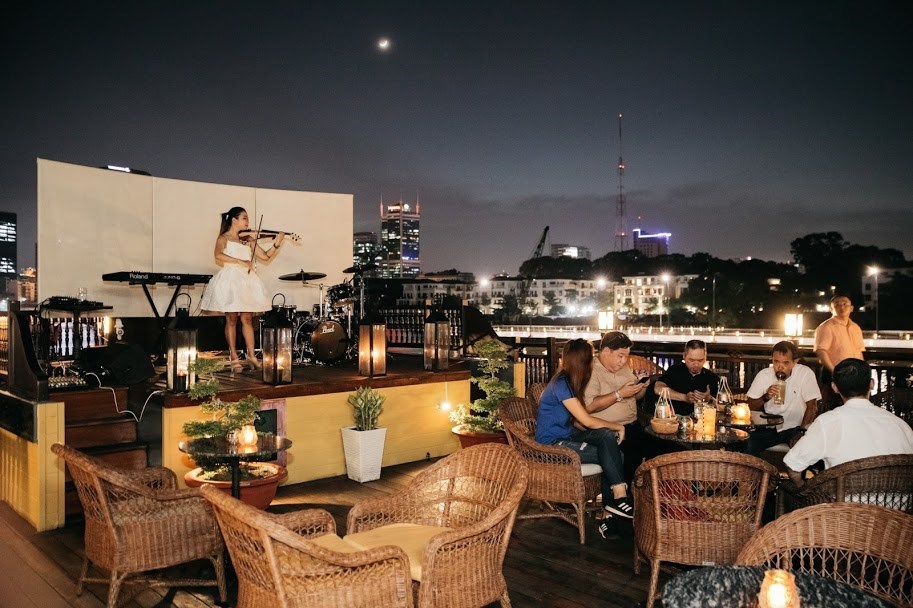
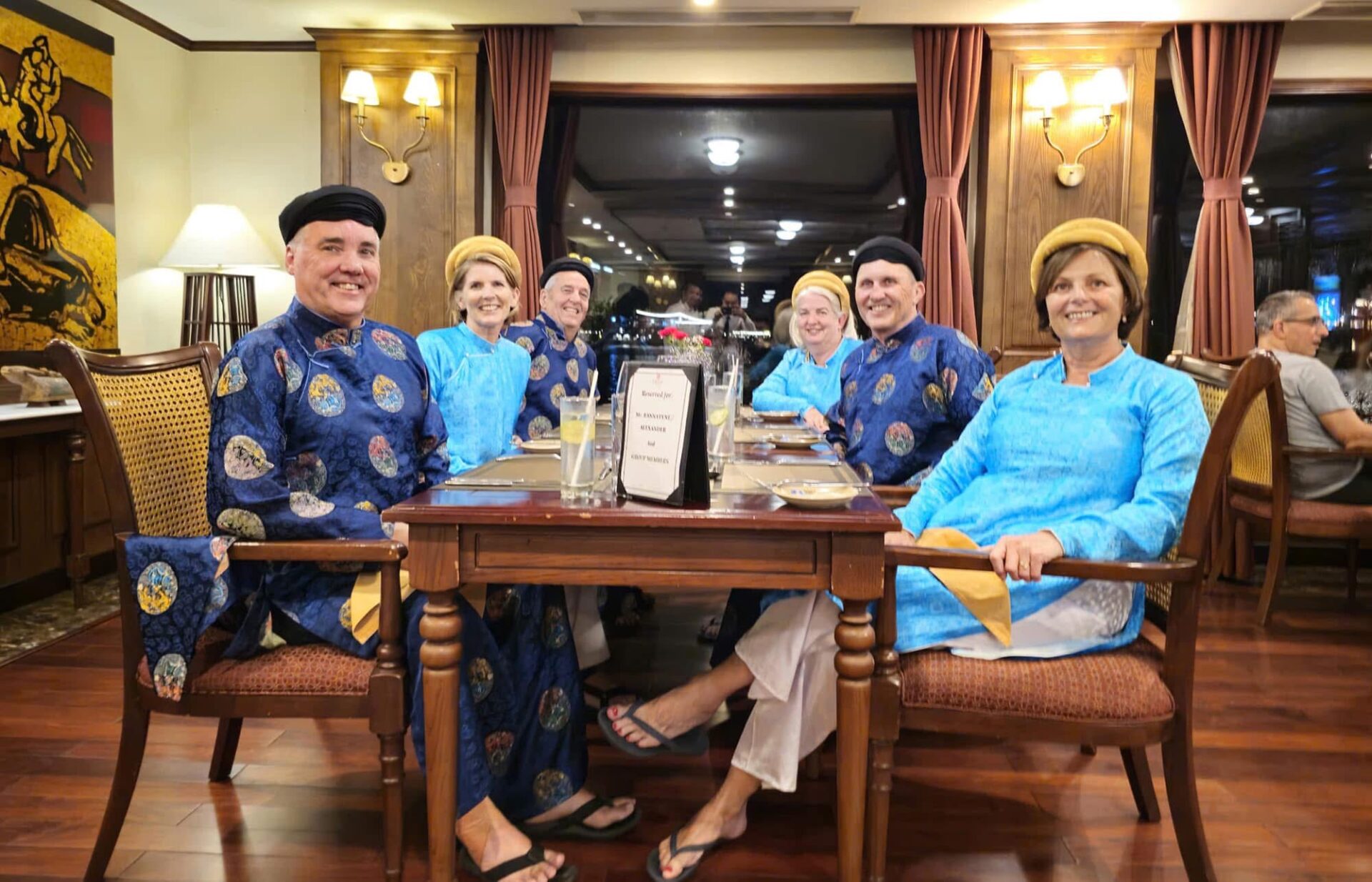
A family might add two nights to learn Vietnamese cooking, meet an artisan, spend time with local residents, take a cruise, and attend an evening performance. Each activity generates revenue for a different part of the local economy. Together, they give the family a compelling reason to stay.
Vietnam needs destinations that offer worthwhile experiences throughout the day and into the evening, beyond the usual business hours. That does not mean every venue must operate all night. It means visitors should have good choices in the morning, afternoon, and evening—and destinations must have the transport, staff, safety measures, and management to support them. A night-time economy begins with good products and the capacity to operate them well.
We also need to address barriers involving transport connections, approvals for new products, workforce quality, and coordination across sectors. Tourism is an economic ecosystem. When an international visitor stays an extra night, the benefits can reach restaurants, performers, craftspeople, transport providers, and local communities.
In developing measures to implement Resolution 26, the Ministry of Culture, Sports and Tourism sought industry input across seven areas for consultation. The draft presented to the National Assembly Standing Committee on November 2 organized its proposals into six policy groups; those measures remain proposals. For businesses, the practical questions are clear: who can make a decision, what funding is available, who will deliver it locally, and how will results be measured?
How have international visitors’ choices, spending, and length of stay changed in 2026?
Pham Ha: From what we see at LuxGroup®, more guests care about the pace and meaning of a journey. They ask why a place is worth visiting, what makes its story distinctive, which experiences suit their family, and whether tourism respects the environment and the local community.
Families and small groups often want the freedom to explore independently and book only the services they need. When they use a travel company, they expect more thoughtful advice about guides, food, transport, and time left open in their itinerary. Vietnam’s tourism information agency has also noted growing interest in small-group, family, and personalized travel during holiday periods this year.
We should be careful, however, about claiming that every international visitor is spending more or staying longer. Markets and segments behave differently. In the segment we serve, guests will invest in deeper experiences and well-organized service. To earn more of their spending, we must create real value. To persuade them to stay longer, a destination must give them another good reason to do so.
Alongside arrivals, the industry should measure spending per visitor, nights stayed, revenue by experience, satisfaction, return visits, and recommendations. Lasting value also depends on how much of that income reaches workers, suppliers, and local communities.
Which source markets matter most to LuxGroup®?
Pham Ha: LuxGroup® brings together businesses in travel, cruising, hospitality, dining, and cultural experiences. We assess markets by how well their visitors’ interests match each product, not simply by the number of arrivals.
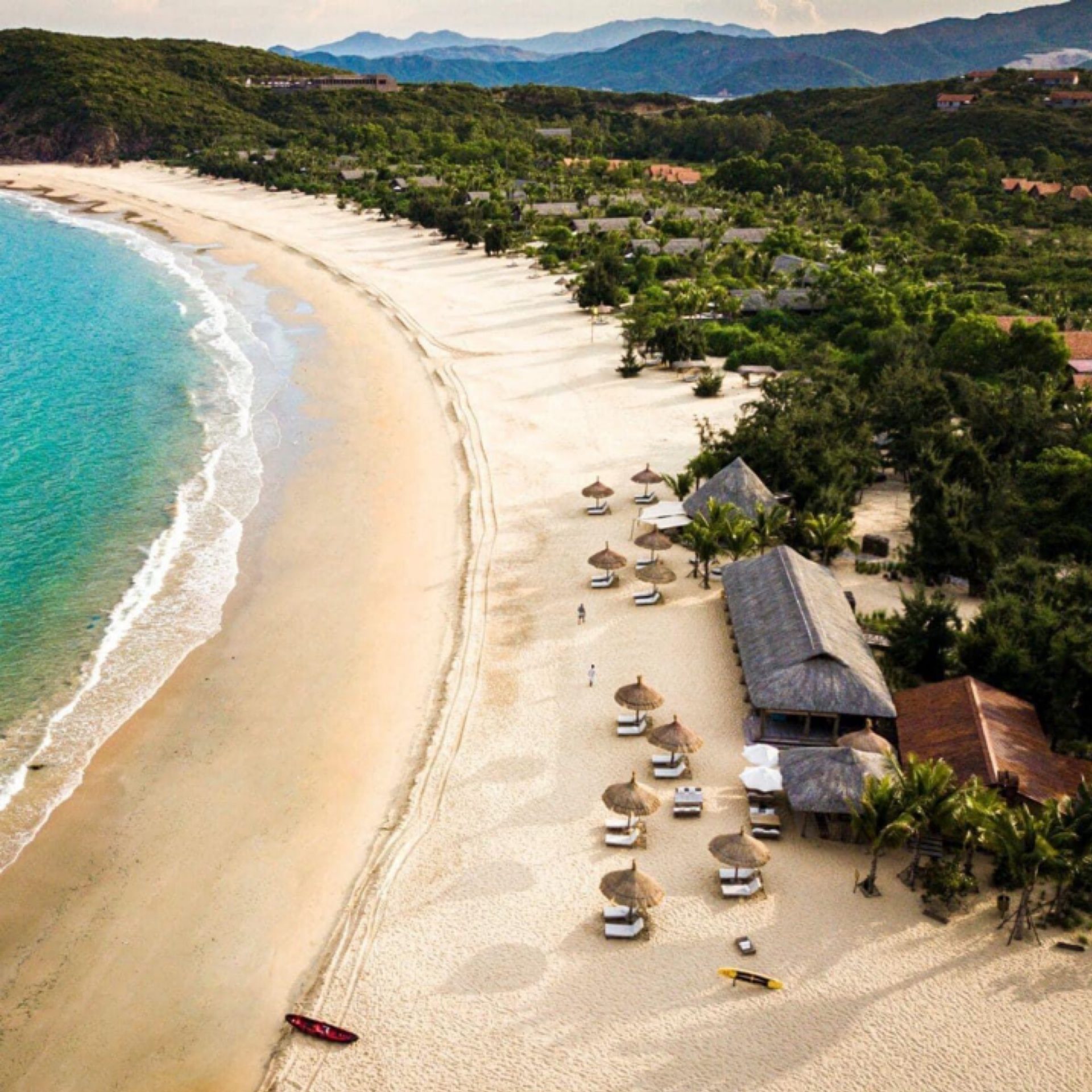
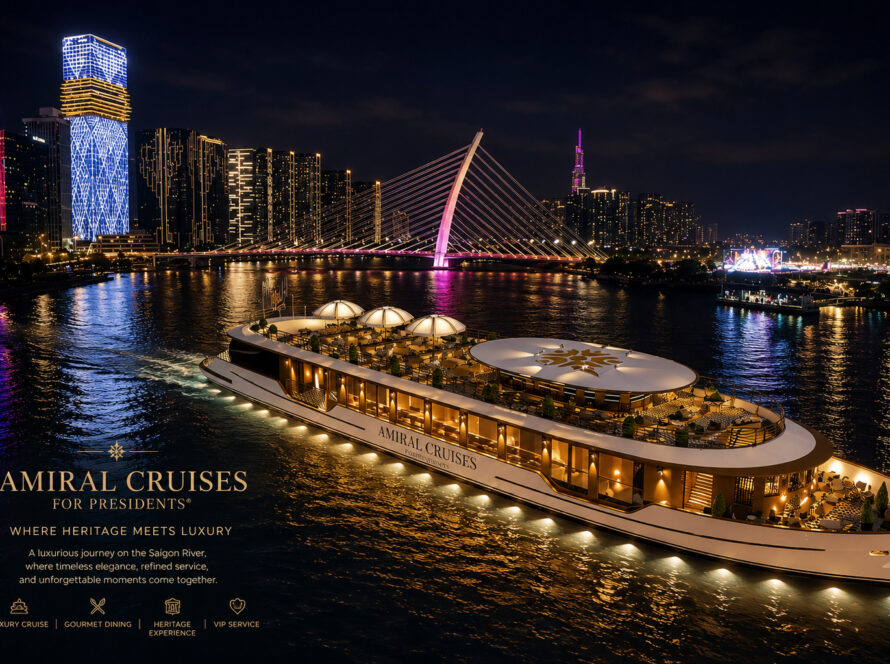
China and South Korea remain important. We continue to study demand from nearby markets for our cruise products in Nha Trang and our plans for the Saigon River. At the same time, Lux Travel DMC® and Lux Cruises Group® focus on suitable segments from Europe, North America, Australia, New Zealand, and elsewhere in Asia.
We are developing LuxTravelDMC.asia for professional travel partners, with the aim of designing private journeys and responding to inquiries within 24 hours. Our team’s ability to work in English, French, Spanish, German, and Italian helps us understand partners and tailor experiences to their customers.
One family may want a private guide and a flexible schedule. Another traveler may seek art, maritime heritage, or the quiet of an overnight voyage in a secluded bay. We are developing the Heritage Phi Long concept for a journey across three bays in northern Vietnam and studying future overnight cruise experiences connected to the Saigon River and Phu Quoc. Those ambitions require careful investment and operational planning.
At the national level, Vietnam needs a clearer tourism story. Our greatest strength is a living culture expressed through people, food, art, rivers, coastlines, and local communities. We must tell that story in language that speaks to each market, then deliver on it through excellent products, convenient infrastructure, and capable people.
When the experience lives up to the promise, visitors will carry Vietnam’s story home and tell it for us.