

DR PHAM HA
Founder and CEO of LuxGroup®
Chairman of Lux Cruises Group®
Vietnam is a nation shaped by rivers.
From the northern frontier to the southernmost reaches of Ca Mau, rivers have done far more than divide or connect the land. They have created deltas, nourished villages, built cities, carried commerce and guided generations of Vietnamese people through migration, nation-building, territorial expansion and national defence.
Every river tells a story. Every bend holds a layer of memory. Every landing, ferry crossing and estuary bears the footsteps of those who came before us.
If the mountains form the proud silhouette of Vietnam, its rivers are the currents of its history.
The rivers that shaped a nation
Vietnam has more than 2,000 rivers over ten kilometres long and more than 100 major waterways. Before roads, railways and aviation, rivers connected village to village, highlands to lowlands, capitals to seaports, and Vietnam to the wider world.
The Red River is the Mother River. It created the fertile northern delta and nourished the earliest foundations of Vietnamese civilisation. Kingdoms rose and fell along its banks; villages flourished, and capitals were established. In 1010, Emperor Ly Cong Uan left Hoa Lu and travelled by river to Dai La. Upon seeing what appeared to be a dragon ascending into the sky, he renamed the new capital Thang Long—“Rising Dragon.”
The Bach Dang River is the river of Vietnamese courage and ingenuity. Here, Ngo Quyen defeated the Southern Han forces; Le Hoan repelled the Song army; and the Tran dynasty crushed the invasion of the Mongol-Yuan Empire. The wooden stakes driven deep into its riverbed were more than a military strategy. They became lasting symbols of independence, proving that although Vietnam may be modest in size, its desire for sovereignty has never been small.
The Ma and Chu rivers lead us towards ancient lands marked by the Ho Citadel, Lam Kinh and the homeland of national heroes. The Lam and La rivers nourished a region renowned for scholarship, poetry and generations of intellectuals devoted to the nation.
Central Vietnam is long and narrow, with mountains close to the sea. Its rivers are often short and steep, yet they carry an extraordinary weight of history. The Gianh River once marked the boundary between Dang Trong and Dang Ngoai. The Ben Hai River divided the country for more than two decades after 1954. The Thach Han River holds within its waters the youth of thousands of soldiers who fell during the fierce summer of 1972.
Some rivers flow with water. Others flow with tears, sacrifice and memory.
The Perfume River speaks in another voice. It is the soul of Hue, reflecting the Imperial Citadel, royal tombs, Thien Mu Pagoda and seasons of scarlet flamboyant blossoms. It does not tell its story loudly. Yet every bridge, river landing and distant temple bell evokes a former capital that was once the centre of Vietnam’s political authority, culture and aesthetics.
Further south, the Dong Nai, Nha Be, Soai Rap and Saigon rivers opened the way to new territories. From Cu Lao Pho to Gia Dinh, from early trading ports to the rise of a dynamic and generous Saigon, rivers carried people, merchandise, cultures and dreams of a new life.
All these stories seem to converge in the Mekong Delta, where nine dragons reach towards the sea. Southern Vietnam’s water civilisation extends back thousands of years, from the kingdoms of Funan and the Oc Eo culture to today’s orchards, floating markets and abundant rice fields. The Mekong does more than irrigate the country’s largest rice bowl. It has created a way of life defined by openness, generosity, resilience and harmony with nature.
When a nation turns its back on its rivers
In our pursuit of modernisation, we have built more roads, bridges and airports. Yet somewhere along the way, we began to turn our backs on the rivers.
Many historic landings have fallen silent. Traditional passenger vessels have disappeared. Some rivers have become polluted, constricted or treated merely as administrative boundaries and drainage channels. Cities that were born from waterways have developed new façades facing the roads, while leaving their backs turned towards the very rivers that once sustained them.
When a river is forgotten, we lose more than a transport route. We risk losing part of our collective memory and national identity.
Vietnam possesses more than 3,260 kilometres of coastline, thousands of islands and one of the densest river systems in Southeast Asia. Yet its waterway tourism remains modest in comparison with the country’s natural resources, history and cultural potential.
Many heritage journeys that should be connected by water remain fragmented. Many extraordinary stories still lie dormant along riverbanks, in craft villages, ancient monuments, forgotten ports and historic estuaries, waiting to be rediscovered.
If we want our rivers to live again, preservation cannot be limited to plaques, monuments or museum displays. Heritage must be narrated, experienced and returned to contemporary life.
When every ship becomes a cultural ambassador
This is why LuxGroup® has chosen Vietnam’s rivers and seas as the setting in which to tell the country’s stories.
To us, a ship is not merely a means of travelling from one destination to another. It must become a moving cultural space—one in which architecture, art, cuisine, music, people and landscape come together to form a complete and emotionally resonant narrative.
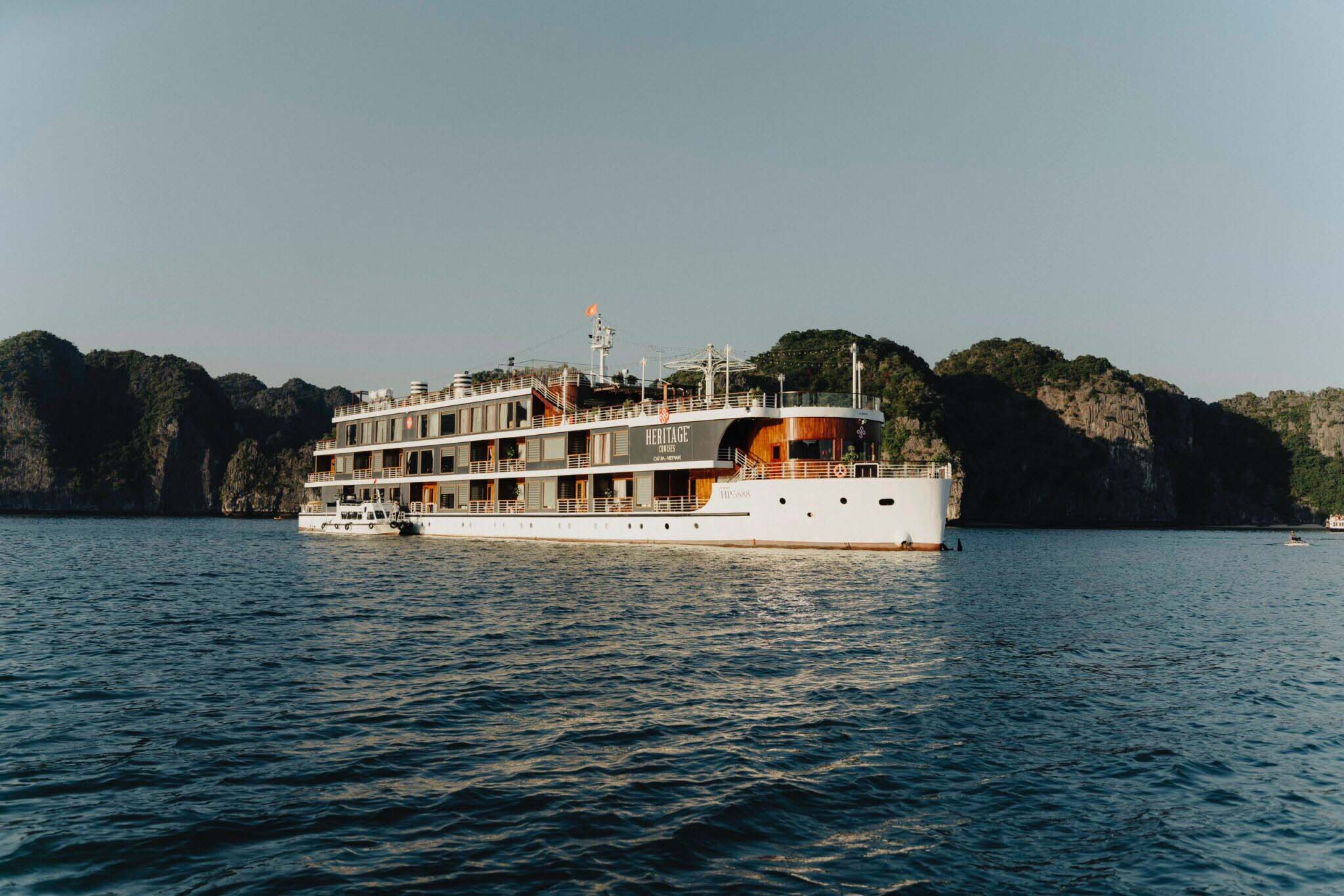
Heritage Binh Chuan® revives the spirit of Vietnamese entrepreneurship and the golden age of trade across the Gulf of Tonkin. It pays tribute to Bach Thai Buoi and the historic Binh Chuan, the first Vietnamese vessel to sail from Hai Phong to Saigon in the early twentieth century.
Emperor Cruises® evokes the refinement of Vietnam’s imperial aesthetics and the art, culture and gracious lifestyle of the 1930s. Inspired by Emperor Bao Dai—the Keeper of Greatness—its journeys invite guests to discover royal heritage not as something frozen in the past, but as a living experience shaped by privacy, art, gastronomy and highly personalised service.
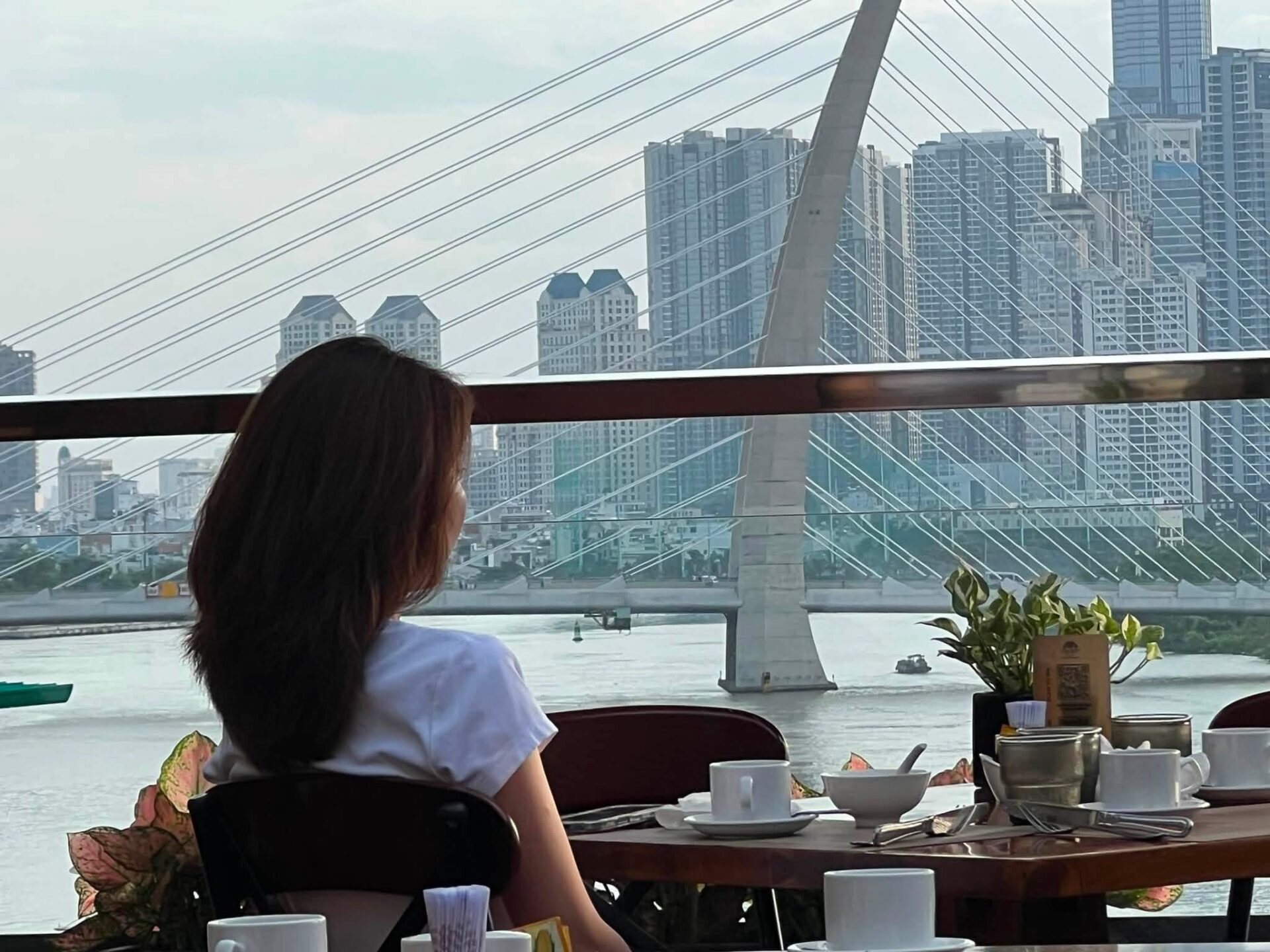
Amiral Cruises® brings the story of Saigon back to its river. From aboard the ship, guests encounter the city not only through its architecture and skyline, but through sunset, music, cuisine, performance and the memories held along both banks. The river becomes a stage, the city becomes a story, and the journey becomes a bridge between past and present.
On each voyage, travellers do not simply observe heritage from a distance. They enter the story. They dine within it, sleep within it and awaken as another landscape of Vietnamese heritage appears beyond their windows.
This is what we mean by Luxury is Culture®.
True luxury is not measured only by expensive materials, spacious suites or modern amenities. It is found in the depth of a story, the privilege of time, the intimacy of a place, the authenticity of an encounter and the quiet feeling of being personally connected to a destination.
Luxury is heartware, not merely hardware.
Vietnam Waterways® 2045: Reviving Vietnam through its rivers and seas
LuxGroup®’s vision for 2045 is to develop Vietnam Waterways®—a national fleet of approximately 30 vessels designed and built in Vietnam, operating across the country’s heritage-rich rivers, bays, coastlines and maritime routes.
These will be genuinely Made in Vietnam ships, carrying Vietnamese intelligence, craftsmanship, culture, pride and ambition.
From the Red River, Bach Dang and Ha Long Bay to the heritage coastline of Central Vietnam; from the Saigon and Dong Nai rivers to the Mekong Delta; from urban river voyages to trans-Vietnam expeditions and journeys across the open sea—each route will become a new chapter in the great story of Vietnam.
We do not aspire to build the largest ships in the world. We aspire to create the finest Vietnamese ships for telling the story of Vietnam: more intimate, more elegant, more culturally distinctive, more sustainable and ultimately more capable of delivering happiness.
Vietnam Waterways® is therefore more than a business plan or a shipbuilding programme. It is an ambition to revive Vietnam’s waterway civilisation.
It will connect tourism with culture, local craftsmanship, domestic shipbuilding, the night-time economy, the green economy and community livelihoods. It will transform river landings into destinations, vessels into cultural ambassadors and every voyage into an opportunity to preserve and share Vietnamese heritage.
A modern waterway economy can also relieve pressure on roads, open new tourism corridors and bring opportunities to communities beyond established destinations. Fishermen, artisans, farmers, performers, chefs, historians and young entrepreneurs can all become participants in this renewed riverside economy.
Our rivers should not remain scenery viewed from a bridge. They should once again become living spaces for culture, commerce, creativity and human connection.
By 2045, when Vietnam celebrates the centenary of its independence, we hope that Vietnamese ships will connect the country’s great heritage regions, encourage Vietnamese people to rediscover their own homeland and carry the story of Vietnam beyond its estuaries to the wider world.
A river truly lives only when vessels continue to travel upon it.
Heritage truly lives only when it is remembered, loved, experienced and passed from one generation to the next.
And a nation can confidently sail towards the open sea only when it understands where it came from.
Every river tells a story.
Every ship carries a legacy.
Every voyage embodies the pride of Vietnam.
This is how LuxGroup® and Vietnam Waterways® aspire to bring Vietnam’s rivers and seas back to life: through ships imagined, designed and built by Vietnamese people; ships carrying the soul of Vietnam across the country and, one day, far beyond its shores.