

Green tourism, small ecosystems and the community’s right to lead
Dr. Pham Ha
Founding President and CEO, LuxGroup®; Vice President, Vietnam Green Tourism Association
Think of a traveller’s meal in Pù Luông. The vegetables have been grown by someone. Someone has prepared the food and kept its recipes alive. Beyond the table are the local guide, the weaver and the family caring for the home that welcomes the guest. A modest meal belongs to a much larger web of livelihoods. When the traveller pays, how many of those people actually share in its value?
After more than two decades in tourism, I believe this question exposes the distance between the language of “green tourism” and the reality of daily life. A family cannot live on a slogan. It needs to know what it can offer, who will buy it, how much investment is required and what remains after costs. It needs clean water, a way to manage waste, service skills and the ability to negotiate with the businesses bringing visitors. Building more rooms may increase capacity without increasing the community’s ability to earn a living.
A House of Small Green Ecosystems
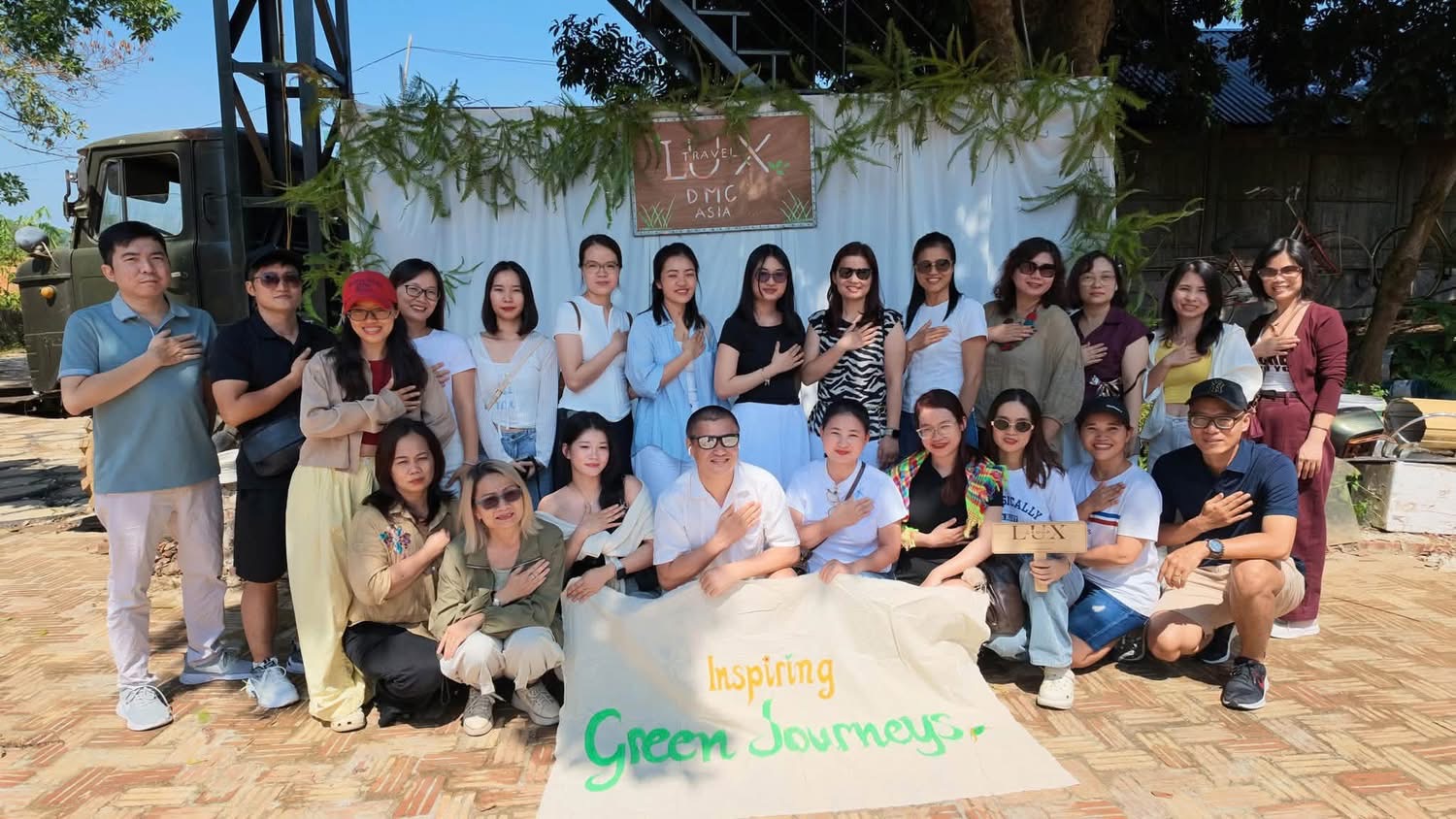
At LuxGroup®, we pursue the idea of A House of Small Giants: enterprises close enough to understand people and place, capable enough to do their work well, and connected enough to create value together. From journeys designed by Lux Travel DMC to cruises, places to stay, food and the arts, each part can open opportunities for local people. “Small” is a deliberate scale of attention. It helps us see the individual, the waterway and the consequences of each business decision.
For me, ESG has meaning only when it changes everyday choices. The environmental question is whether wastewater reaches a stream and whether visitor numbers exceed what a destination can bear. The social question is whether farmers, artists, guides and hosts are paid fairly. Governance means clear purchasing terms, payment on time and an unambiguous responsibility for safety. A resort can be surrounded by greenery and still fail its community if its operations deprive neighbours of access to water.
Nor should every beautiful place build homestays. Before investing, ask whether residents want to welcome visitors, which experiences they wish to share, whether roads, water, sanitation and safety are adequate, and whether guests will pay for the proposed experience. Where the answers are uncertain, test a short guided walk, a meal or a craft visit with a small group and pay everyone properly. Review the costs and ask residents whether they want to continue. If flood or landslide risks have not been assessed, or the community has not agreed, construction should wait. A remarkable view cannot make an unsafe site safe.
Living Heritage Needs Living Custodians
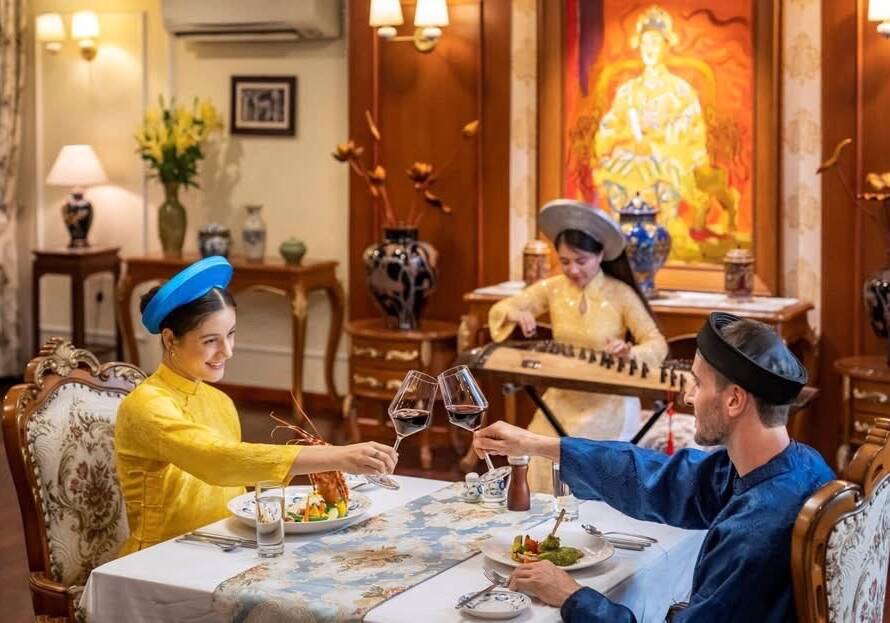
Tourism can introduce heritage to a wider public, but heritage must not become scenery. In a mountain village, it may live in knowledge of medicinal plants, weaving, architecture, food, language or festivals belonging to that community. In the lowlands, cities and settlements along the rivers, we encounter other traditions: the voices of xẩm singers and the refined poetry of ca trù, historically associated with female performers known as ả đào. These are distinct cultural settings, each with its own history, practitioners and conventions. They should never be bundled into a generic “local culture” show.
Ca trù brings together the singer’s voice, the đàn đáy lute and the trống chầu praise drum. It needs learners and teachers, spaces in which to perform and audiences willing to listen. Xẩm also needs artists who are named, paid and able to pass on what they know. A heritage journey should offer more than a brief performance staged for photographs. The artist should have time to explain the work, earn from it and teach the next generation. Cultural survival depends on the people who carry the tradition, not simply on the number of times it appears in a travel programme. UNESCO inscribed ca trù on its List of Intangible Cultural Heritage in Need of Urgent Safeguarding in 2009.
Vietnam’s rivers once sustained markets, craft villages and landing places. Through our Vietnam Waterways 2045 vision, we hope voyages on rivers and at sea will connect travellers with the communities on their shores: buying locally made products, understanding a port’s history and encountering art in a respectful setting. A ship that passes a village while carrying all the revenue away has done little to revive the waterway. The people who protect its heritage deserve a voice, an income and a place at the table where the experience is designed.
Ownership of Data and Decisions
For a small tourism business, digital transformation can begin with the phone already in its owner’s hand. Photographs should show the actual room. The location should be easy to find, prices and cancellation terms clear, and someone must be responsible for answering guests and recording bookings. For international travellers, a short introduction in another language and a few courteous reply templates can already help. Younger residents may update listings while elders contribute the knowledge that gives the place its character. The account, prices and booking data must remain under the control of the household or its chosen community group. A platform is useful when residents can change their own rates, see their bookings and understand what they will be paid.
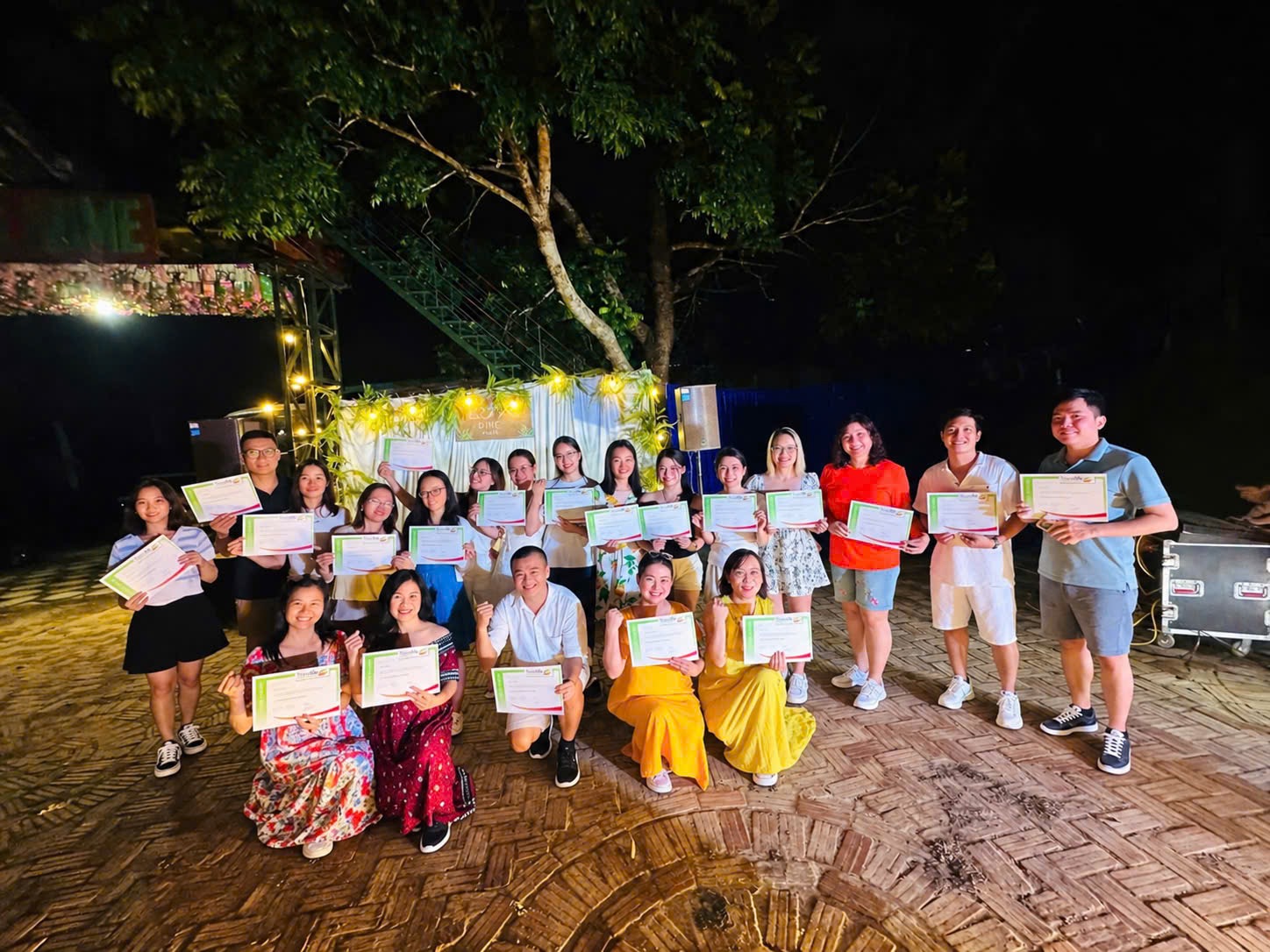
Training must lead to the same kind of independence. Teach in the kitchen, the guestroom and on the walking trail. Practise welcoming visitors, handling complaints, first aid, recording income and costs, and reading an agreement with a tour operator. After the workshop, someone should stay alongside the group through a season of business, reviewing quality, expenses and profit together. Residents must decide which stories they wish to share, which require permission, and which private or sacred spaces are off limits. The right to say no is part of ownership.
From the Association’s perspective, I propose beginning with one modest pilot: a community that volunteers, a local authority that helps secure the necessary conditions, and businesses willing to design an experience and bring paying test guests. The agreement should specify prices, payment deadlines, cancellation, safety and permission to use people’s images and cultural stories. At the end of each season, share three results with everyone involved: what guests thought, what each participating household or group actually received, and whether the community wishes to continue. Do one place well. Learn from it before expanding.
Green tourism is not measured by the number of green signs on the door. We can see it when a village is safer, its water cleaner, an artist has a new student, a host can calculate a profit and residents can choose their own future. I hope travellers leave with a deeper understanding of and respect for Vietnam. I hope the people who stay gain income, pride and the means to protect the place they call home. That is the happiness we want to help create.