

An opinion piece for TheLeader
Throughout history, every great civilization has been shaped by a river that became part geography, part memory, and part destiny.
Egypt has the Nile. London has the Thames. Paris has the Seine. Bangkok has the Chao Phraya.
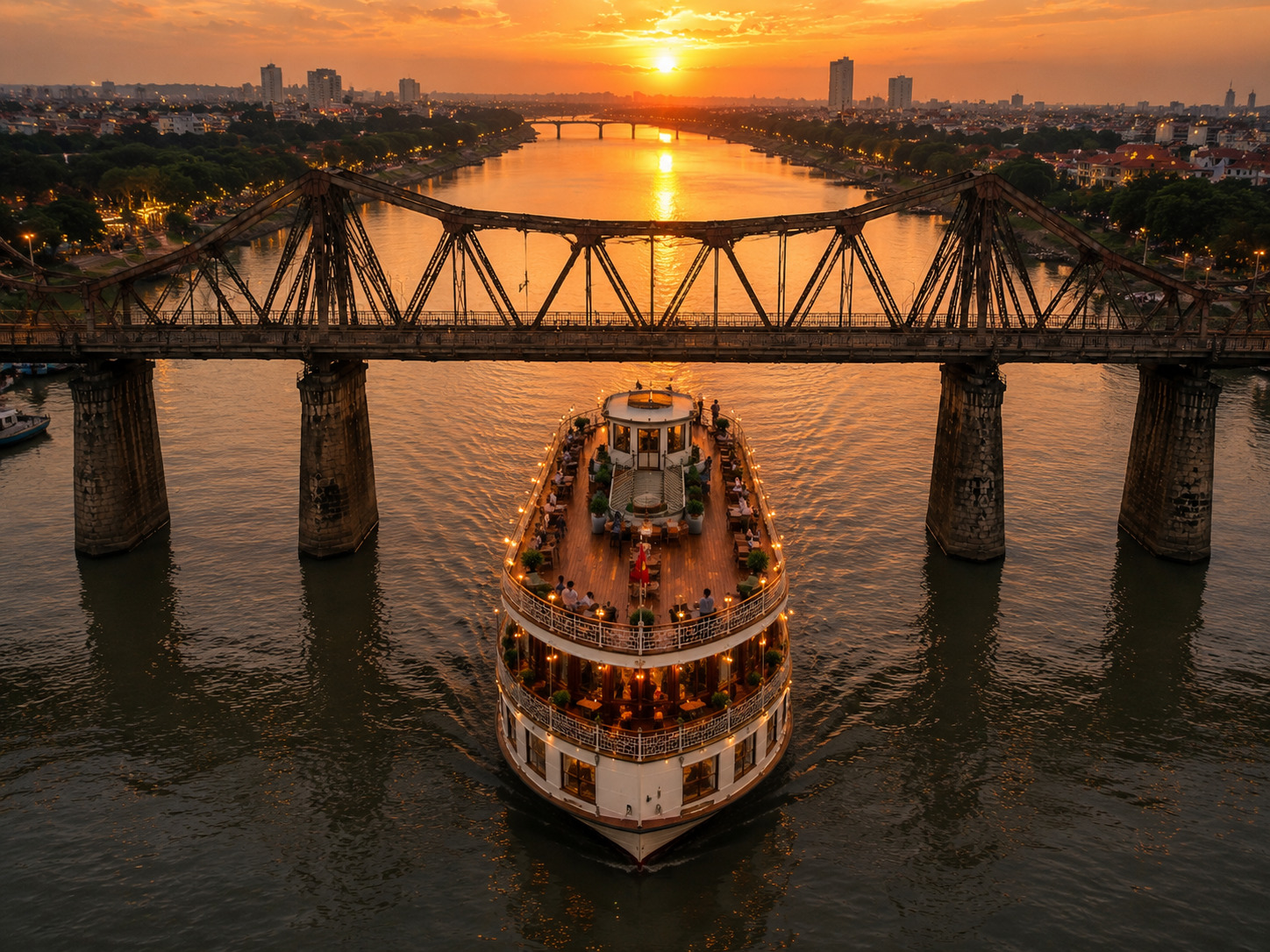
And Hanoi has the Red River.
Yet unlike many of the world’s most iconic river cities, Hanoi spent decades developing as though the river that gave birth to it existed merely at its edge rather than at its center.
That may be one of the greatest paradoxes of modern Vietnamese urban development.
More than a thousand years ago, when Emperor Lý Công Uẩn moved the capital from Hoa Lư to Đại La and established Thăng Long in 1010, what he recognized was not simply land potential, but the harmony between geography, water, ecology and human settlement.
In Eastern philosophy, a capital city is never created by architecture alone. It must possess long mạch — the spiritual and geographical energy flow that sustains civilization across generations.
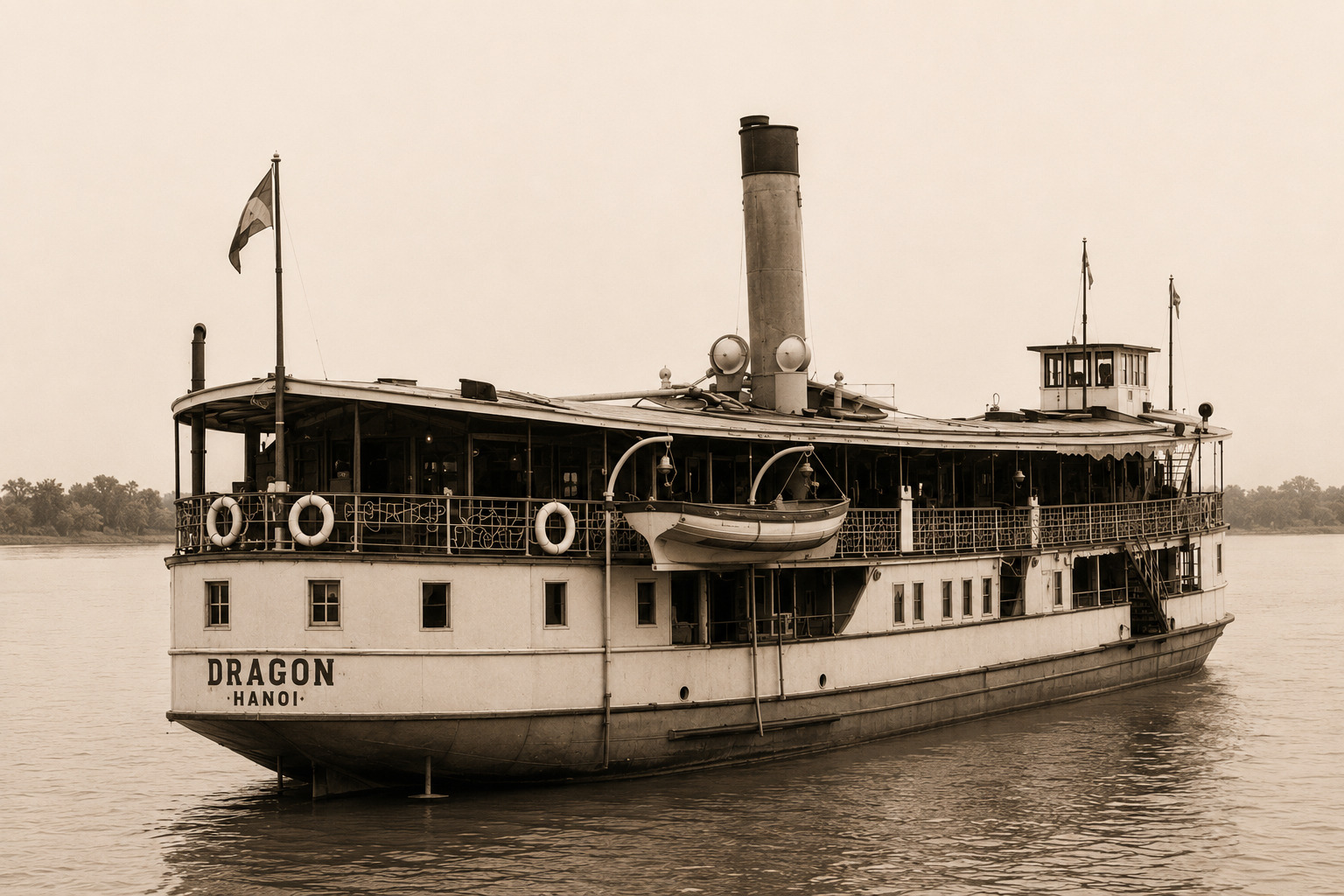
The Red River was precisely that.
It was not merely a transportation corridor. It was the ecological artery that nourished the Red River Delta, enabled commerce, protected the ancient capital and shaped the cultural identity of northern Vietnam for centuries.
In many ways, Hanoi did not emerge beside the Red River.
Hanoi emerged from it.
The river created fertile soil, connected communities, formed ancient trading settlements, sustained craft villages and inspired generations of Vietnamese poetry, music and collective memory.
Yet in the modern era, the relationship between Hanoi and its river gradually became fragmented.
For decades, the Red River was treated primarily as a technical problem to control rather than a living cultural system to respect. Dikes, fragmented planning and rapid urbanization created both physical and psychological separation between the city and its waterfront.
Worse still, portions of the river increasingly came to be viewed through the lens of speculative land value.
That is where urban thinking becomes dangerous.
Because the moment a river is perceived primarily as “real estate potential,” cities begin to lose their ecological intelligence.
The current debate surrounding the future of the Red River is therefore far larger than a planning discussion. It is ultimately a philosophical question about what kind of city Hanoi wishes to become in the 21st century.
Will it become a city that maximizes short-term riverfront land value?
Or a city that understands that great rivers carry historical memory, environmental resilience and cultural meaning far beyond commercial metrics?
The answer will shape not only Hanoi’s skyline, but its soul.
Global experience offers a clear lesson.
The world’s most successful river cities never reduced their rivers to mere “views.”
Paris did not build its identity by privatizing the Seine into a corridor of speculative towers. London revitalized the Thames through public life, culture and environmental restoration. Seoul, after decades of aggressive concretization, ultimately rediscovered urban humanity through the restoration of Cheonggyecheon.
What these cities understood is simple but profound:
A river is not urban decoration.
A river is urban civilization itself.
That understanding becomes even more urgent in an era of climate instability.
The Red River is not an empty canvas awaiting commercial expansion. It is a living ecological system with floodplains, biodiversity, sediment rhythms and environmental functions that have evolved over centuries.
When cities attempt to dominate nature entirely through engineering and short-term economics, nature eventually responds.
Many Asian megacities are already paying the price for sacrificing ecological systems in exchange for speculative growth: worsening floods, heat islands, environmental degradation and declining quality of life.
Hanoi should not repeat those mistakes.
Because if the Red River becomes merely a “river-view asset” for real estate marketing, the city may gain temporary economic value while permanently weakening the spiritual and ecological foundation that made Hanoi unique in the first place.
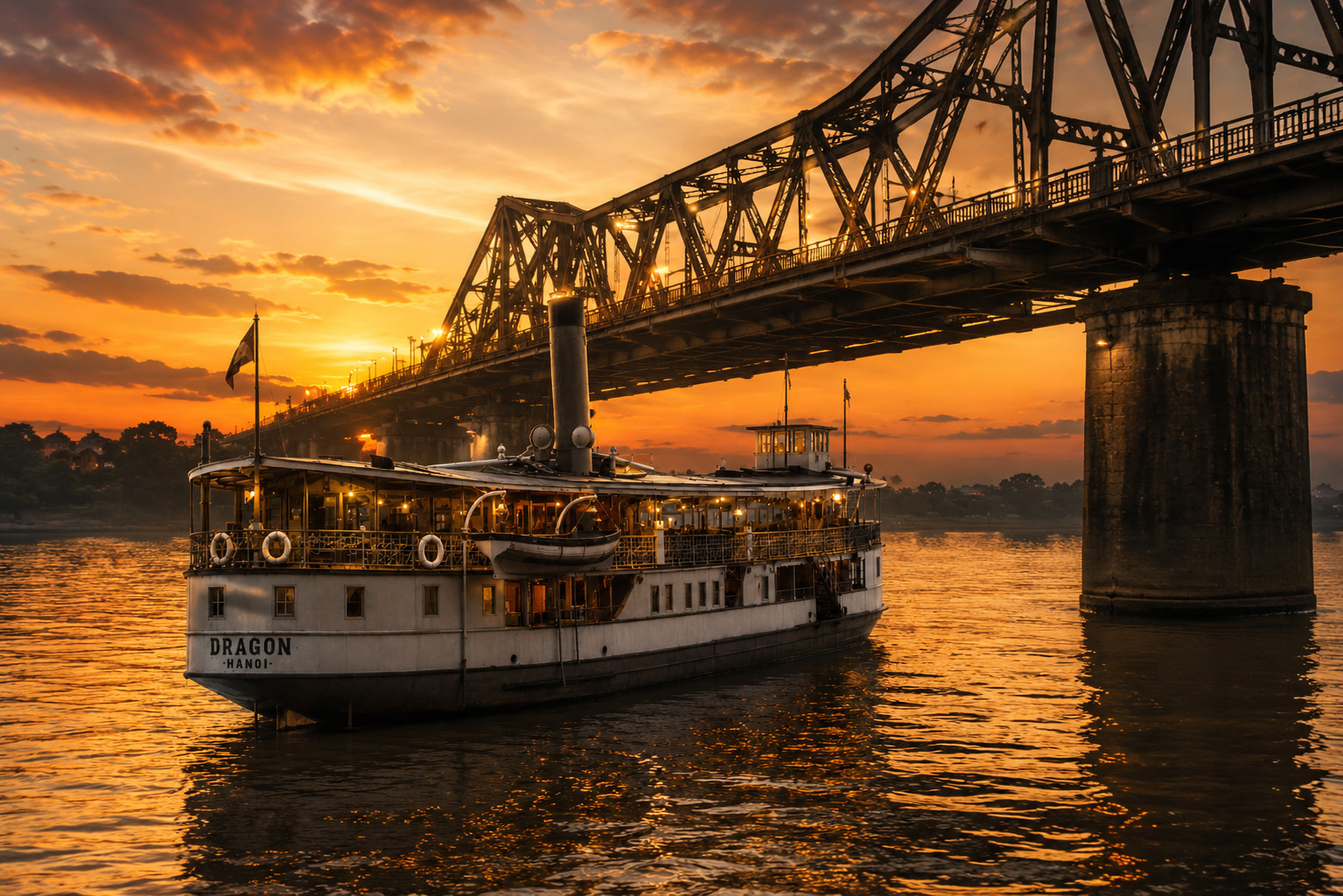
What Hanoi needs today is not more concrete along the riverbanks.
It needs a deeper development philosophy.
One that places flood resilience, ecology, public accessibility and cultural continuity before commercial exploitation.
One that understands the river as shared civic infrastructure rather than fragmented private opportunity.
One that recognizes that the true value of a modern city lies not in the height of its towers, but in the quality of belonging it creates for its people.
Increasingly, urban thinkers around the world describe rivers as “emotional infrastructure” — spaces where memory, identity, public life and nature intersect.
That shift reflects a broader transformation in how cities compete globally.
The most desirable cities of the future will not necessarily be the tallest or most technologically aggressive. They will be the cities capable of balancing modernization with humanity, sustainability and cultural depth.
In that context, the Red River may become Hanoi’s greatest strategic opportunity of the century.
Not simply as a landscape corridor.
Not merely as an economic axis.
But as a cultural, ecological and creative backbone capable of redefining Hanoi’s identity for generations to come.
Imagine a river corridor where public parks, walking promenades, open cultural spaces, heritage districts, slow tourism, river mobility, creative industries and ecological restoration coexist within a greener urban framework.
Such a Hanoi would not need to compete through spectacle alone.
Its authenticity would already make it extraordinary.
Because ultimately, the world’s greatest river cities are never remembered only for what they built beside the water.
They are remembered for how deeply they respected the river itself.
And if Hanoi truly wishes to become a world-class river city, it must first learn not how to exploit the Red River —
but how to revere it.
Because the Red River is not a “river view.”
It is the spiritual vein of Thăng Long.