

Why sustainable business requires patient capital, shared rules, and leaders willing to build beyond themselves
By Pham Ha, Founding President and CEO, LuxGroup®
When I was a child, a voyage along Vietnam’s coast changed the way I saw my country. From the deck, I could see that our rivers and seas connected places with distinct histories, livelihoods, and ways of life. Years later, I built cruise ships so other people could discover that sense of wonder.
A ship, however, cannot offer a meaningful journey simply because its owner has a vision. It depends on a skilled crew, trusted suppliers, welcoming communities, safe waterways, and places whose character has been cared for over time. The guest may remember one voyage. Making that voyage possible is the work of an entire system.
This is the leadership challenge I take from studying sustainable business strategy: purpose can move a company to act, but a company cannot deliver its purpose alone.
At LuxGroup®, we call our purpose Delivering Happiness®. It asks us to create memorable journeys, meaningful work, and value for the places that welcome our guests. Those aspirations matter only when they influence decisions about products, people, investment, and growth. They also require us to look beyond our own business.
The cost arrives before the return
Many responsible investments follow an uncomfortable pattern: performance may get worse before it gets better.
Training a team takes time and money before it improves service. Working with smaller local suppliers may require more coordination before the experience becomes seamless. Changing how a vessel uses energy or handles waste can demand capital before it reduces operating costs or risk. The benefits may be real, yet they rarely arrive in the same reporting period as the expense.
That creates a test of leadership. It is easy to support sustainability when it lowers costs immediately. The harder decision is whether to invest when the eventual return is uncertain, or when some of the benefit will accrue to employees, communities, and future visitors.
Patient capital does not mean unlimited capital. Leaders owe their teams and investors a disciplined account of what they are doing. What problem will the investment solve? What must change in the guest experience or the operation? What evidence will we collect? When will we review the decision, and what would make us change course?
A promise about the distant future is more credible when it is paired with milestones in the present. For LuxGroup, that means examining guest experience alongside employee development, supplier relationships, operating performance, and effects on destinations. We should be willing to report where progress is slower than expected. Purpose earns trust through candour as much as ambition.
Good intentions need common rules
Suppose one tourism operator pays to train guides, respects a destination’s carrying capacity, and gives local partners fair terms. A competitor may be able to charge less by doing none of those things. If guests cannot see the difference, the responsible operator bears a cost while the destination bears the damage.
This is why cooperation among businesses matters. Shared standards can give guests clearer information and give operators a common basis for improving their practices. But voluntary commitments are fragile when participants can quietly break them. Credible measurement, independent scrutiny, and fair enforcement make cooperation more durable.
Government has a vital role here. Clear rules for safety, labour, environmental protection, and the use of public waterways can protect both communities and businesses that invest responsibly. Companies should be prepared to contribute practical knowledge to policymaking and then comply with the resulting rules, even when compliance is demanding.
In tourism, the most valuable assets often belong to no single company: a clean river, a living craft tradition, a neighbourhood that still welcomes visitors. Each business benefits from them. None can preserve them alone.
Measure what could change a decision
Sustainability reporting is useful when it helps people make better decisions. A long list of numbers may create an impression of diligence while concealing the issues that matter most.
For a travel business, useful measures should reflect how its activities affect people and places, as well as how those effects could shape its future. Employee retention may tell us whether the work offers a sustainable career. Guest feedback may reveal whether an experience honours a culture or merely uses it as decoration. Supplier terms, energy use, waste, and community concerns may show risks that financial results alone will miss.
These measures should be chosen with a practical question in mind: If this result changed, would we manage the business differently?
If the answer is no, the number may belong in a report but is unlikely to guide strategy. If the answer is yes, someone must have the authority to act on it. Data becomes valuable when it informs product design, investment reviews, training, and the everyday decisions of people serving guests.
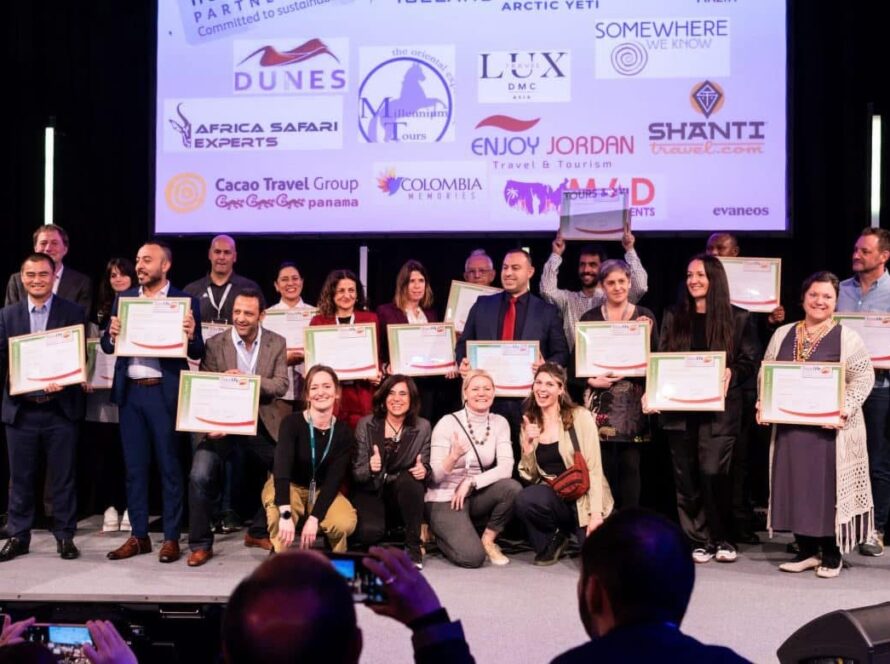
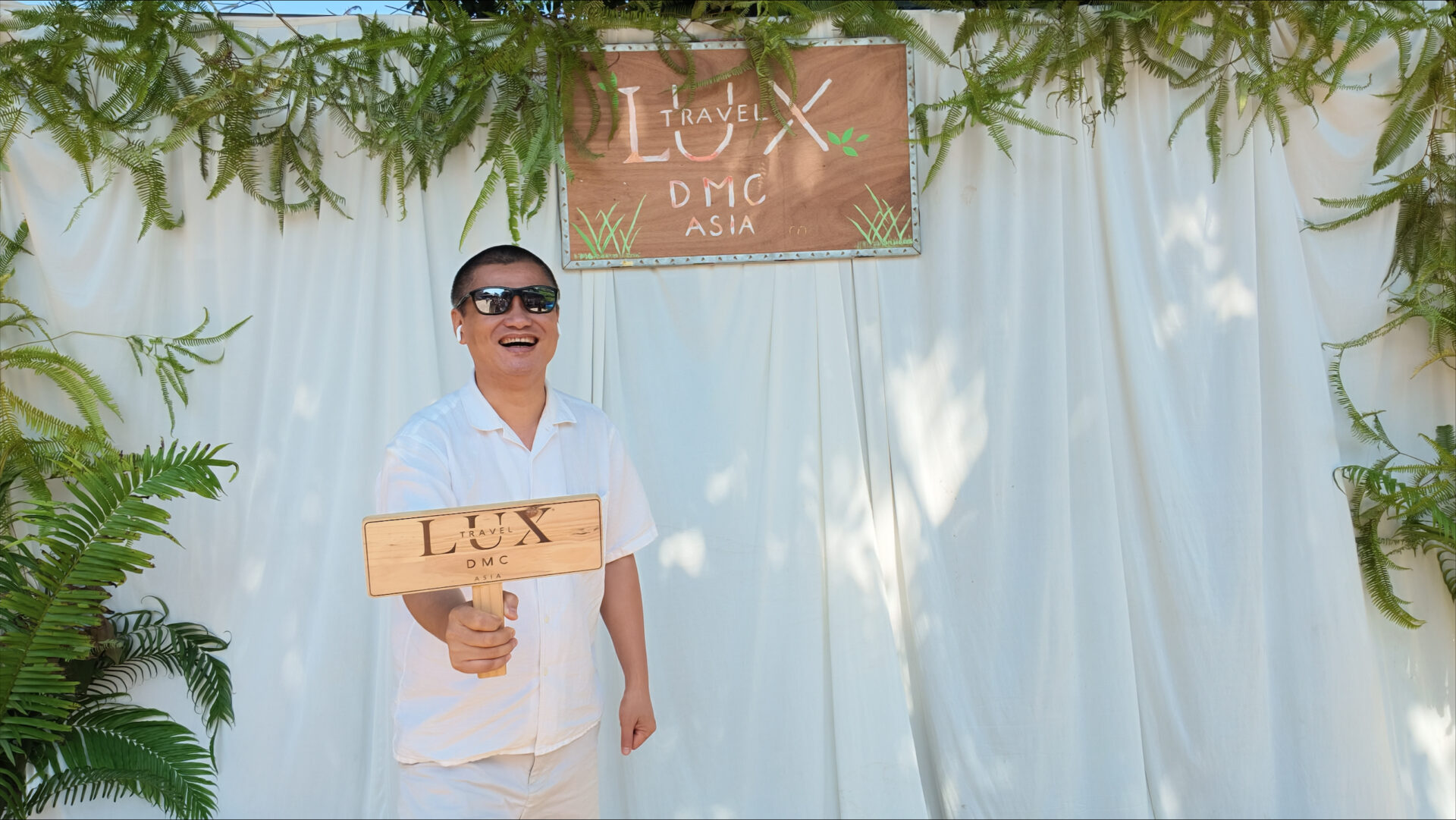
Lux Travel DMC, a member of LuxGroup, has achieved Travelife Certified status. That is a meaningful commitment for that business. The next challenge is to keep learning from its standards and evidence as we consider how responsible practices should work across different activities, from destination management to cruises and hospitality. One certificate cannot substitute for decisions made throughout a group.
Build institutions inside the company
We often think of institutions as laws, courts, and government agencies. Companies have institutions too: the rules people follow, the behaviour they expect from colleagues, the habits that earn recognition, and the processes that resolve disagreements.
In a founder-led business, much of this may live in the founder’s head. That can help a young company move quickly. As it grows, it becomes a constraint. People may wait for permission, repeat the founder’s preferences without understanding them, or avoid raising a concern that could slow an exciting project.
Our ambition to build LuxGroup as A House of Small Giants presents a practical question. How can specialist businesses retain the freedom to know their guests and develop distinctive products while sharing standards for culture, investment, and responsibility?
The answer cannot be a slogan. It requires clear decision rights, room for leaders to propose and test ideas, and regular reviews of what worked and what did not. It requires an employee to be able to question a cultural claim, flag an unsafe practice, or suggest a better guest experience without fearing that initiative will be mistaken for disloyalty.
The founder’s task changes as the company grows. I must still articulate what we stand for. I must also help create conditions in which others can exercise judgement without waiting for me.
Put head, hands, and heart to work
Purpose asks three things of a leader.
The head asks us to understand the system: where value is created, who bears the costs, and which problems require partners or public action. The hands turn that understanding into products, skills, budgets, measures, and operating routines. The heart gives us the courage to proceed when the work is difficult and to listen when others see something we have missed.
I want LuxGroup’s guests to encounter Vietnam through the people who bring its cultures to life. I want Luxers to find dignity, opportunity, and room to lead. I want our success to strengthen the communities and places that make our journeys possible. These are aspirations we must keep testing against experience and evidence.
A meaningful life, to me, is measured by the lives we touch. A meaningful business must ask what remains after a guest goes home, after a financial year closes, and eventually after its founder steps away.
My childhood voyage gave me a dream. Building ships helped me share it. Building a company where others can carry that purpose forward—and where the places we visit can flourish alongside us—is the voyage ahead.
Editorial source notes: LuxGroup’s published materials describe its purpose as Delivering Happiness® and its management ambition as A House of Small Giants. Its reporting identifies Lux Travel DMC, specifically, as the Travelife Certified company